
Malcolm Sayer’s E-type
OUR INSPIRATION:
MALCOLM
SAYER’S E-TYPE
For Jesse, Automotive design transcends its utilitarian purpose, as he views it far more as an art form that he finds great inspiration in. As a lover of design in all forms, we consider this to be a crucial layer in understanding Jesse’s style.
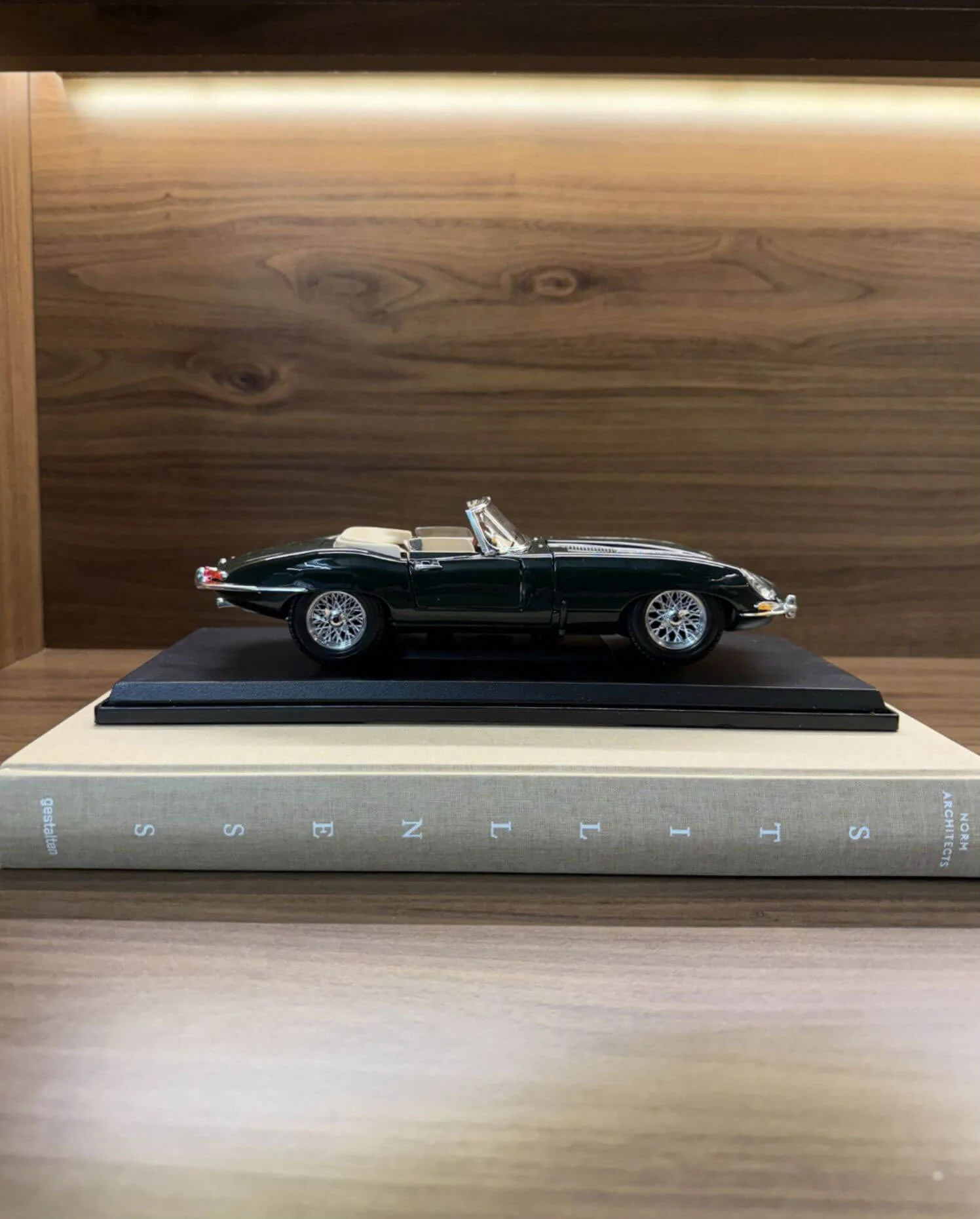
Many cars that he has been obsessed with since childhood would bring him great joy to drive. However, his love started with the proportions or the form to an extent that he would buy them just to walk around and look at, with the belief that they would bring timeless beauty to his surroundings and inspire his best work.
“THE MOST BEAUTIFUL
CAR EVER MADE.
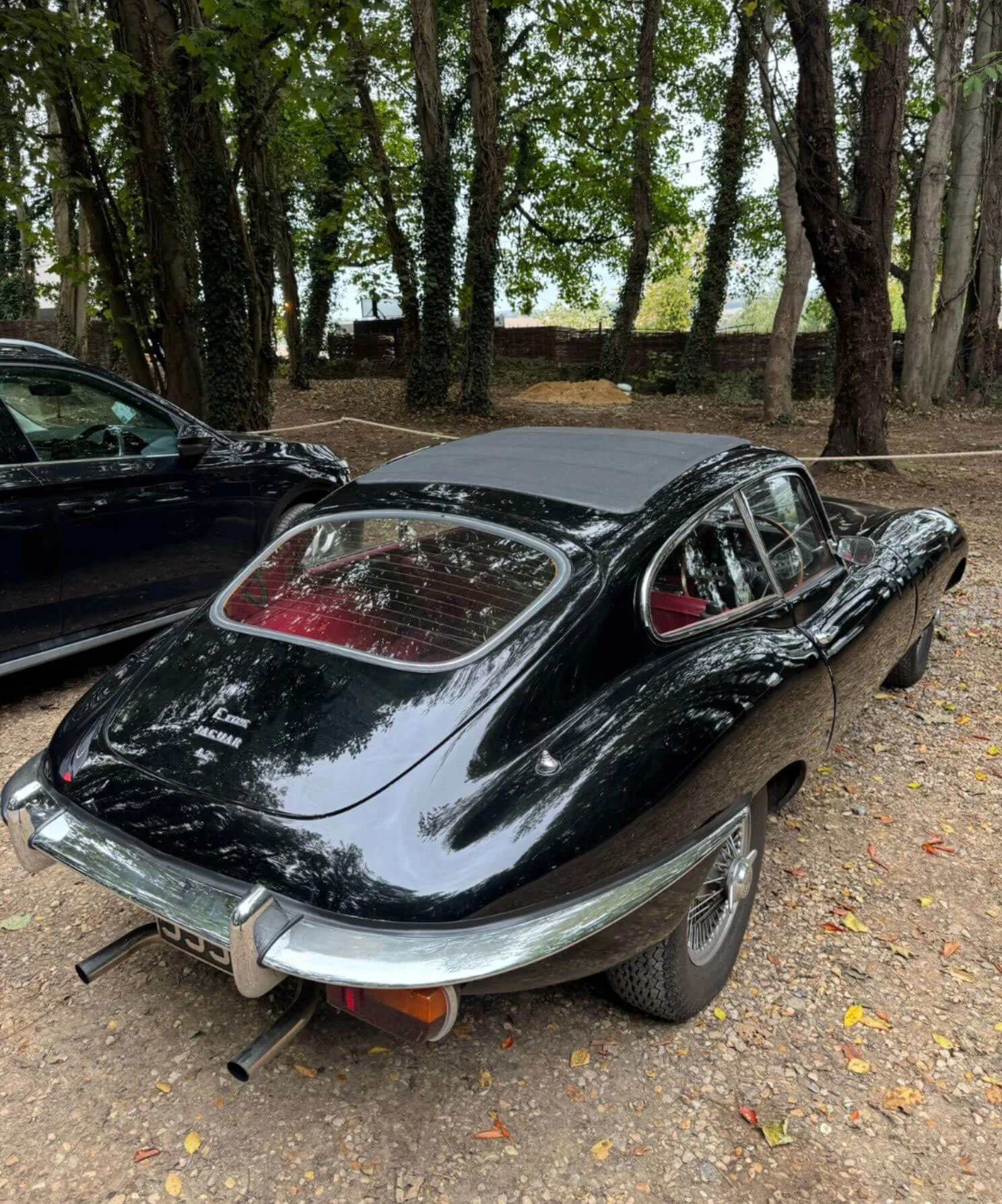
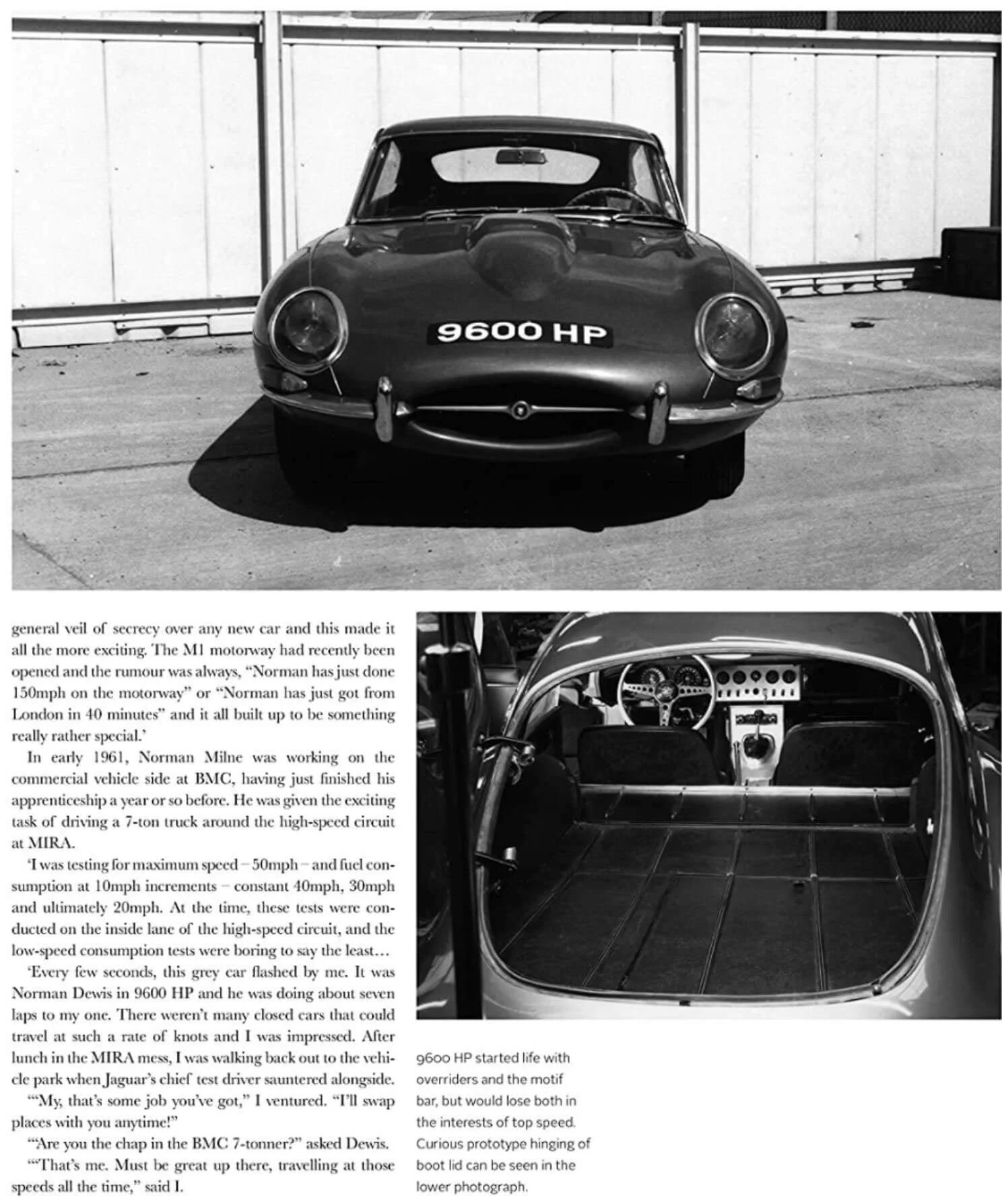
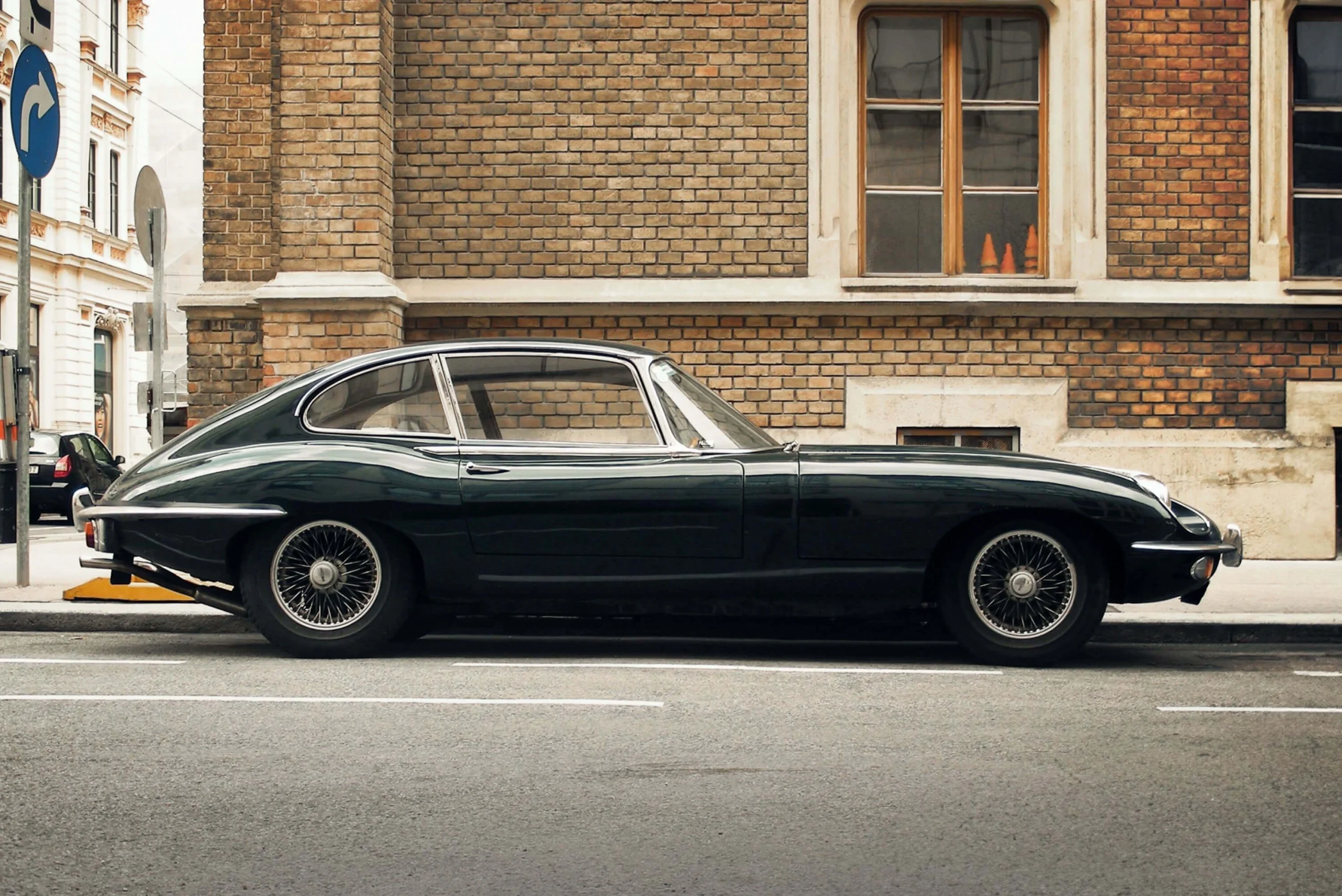
At the top of the list of these cars lies the Jaguar E-Type, specifically the hard top from 1961 to 1968. The long nose that houses the naturally aspirated V-12, the “bubble back” coupe roof, the low, long proportions, and the aggressive stance scream classic English charm. These features transcend automotive design to such an extent that we would consider it to be a sculpture more than a car.
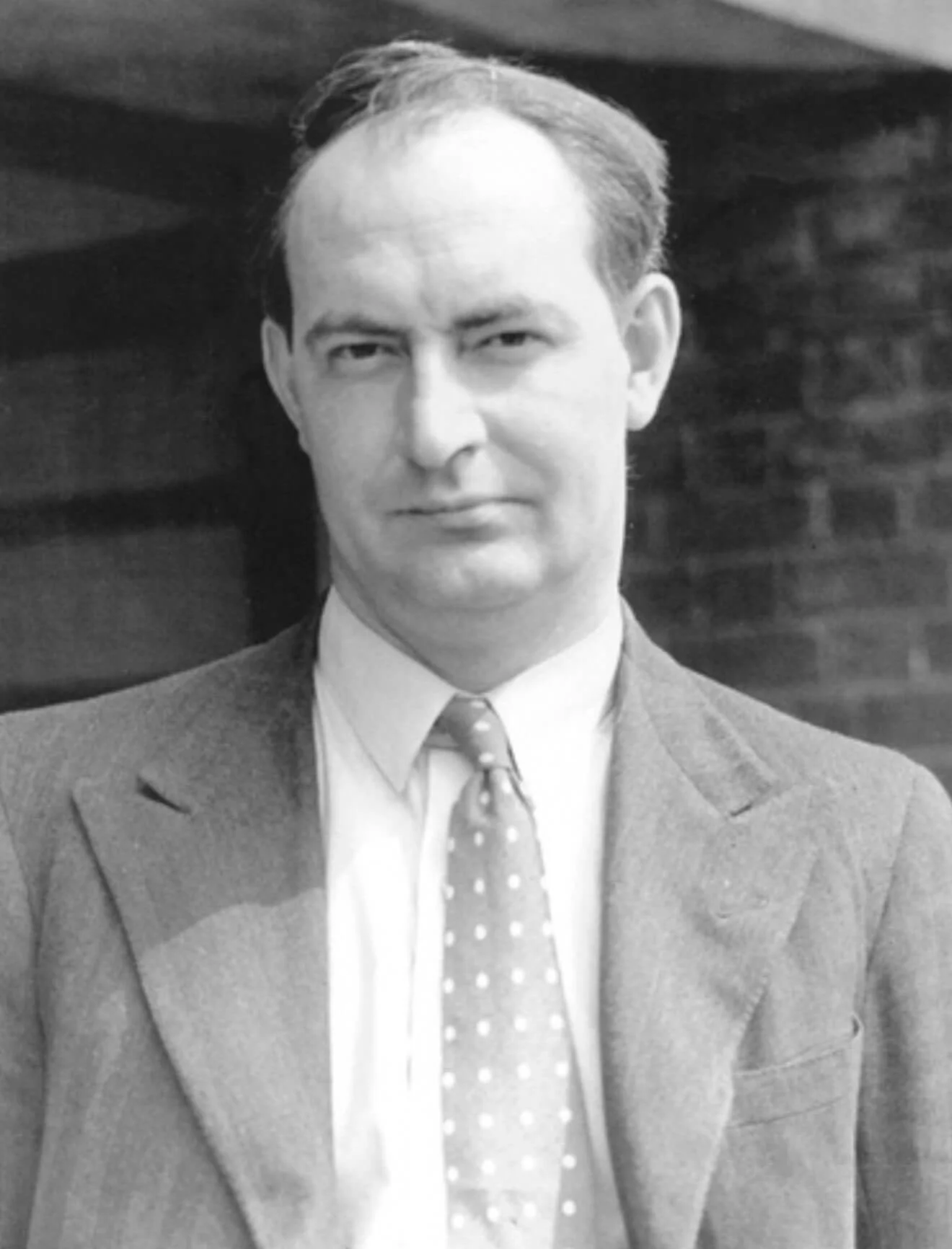
As a result, it became one of only six automobiles ever to be invited into the permanent design collection at the Museum of Modern Art in New York. Even Enzo Ferrari (pictured below), a fierce rival on the racing circuit, famously conceded that the E-Type was the most beautiful car ever made.
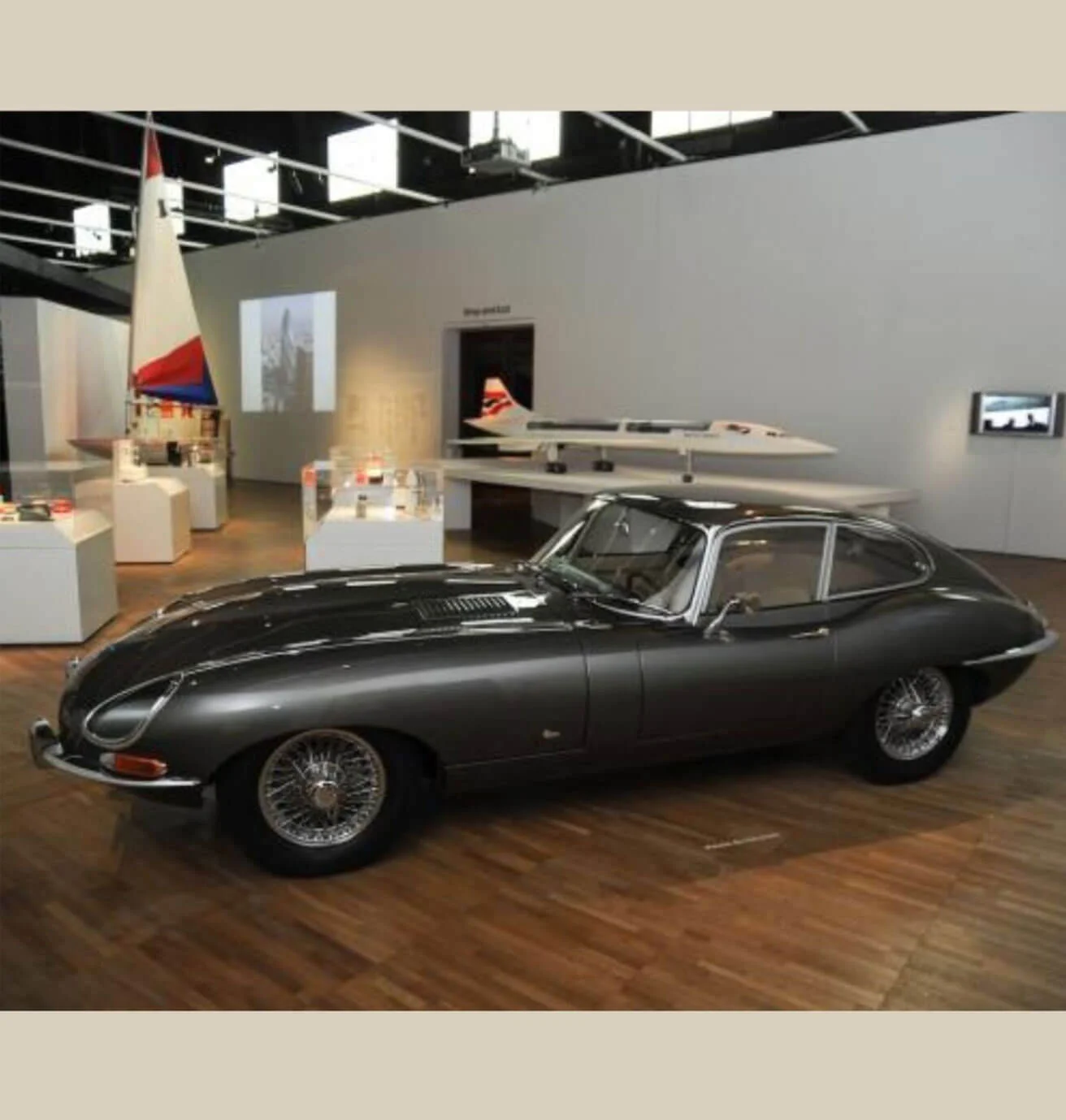
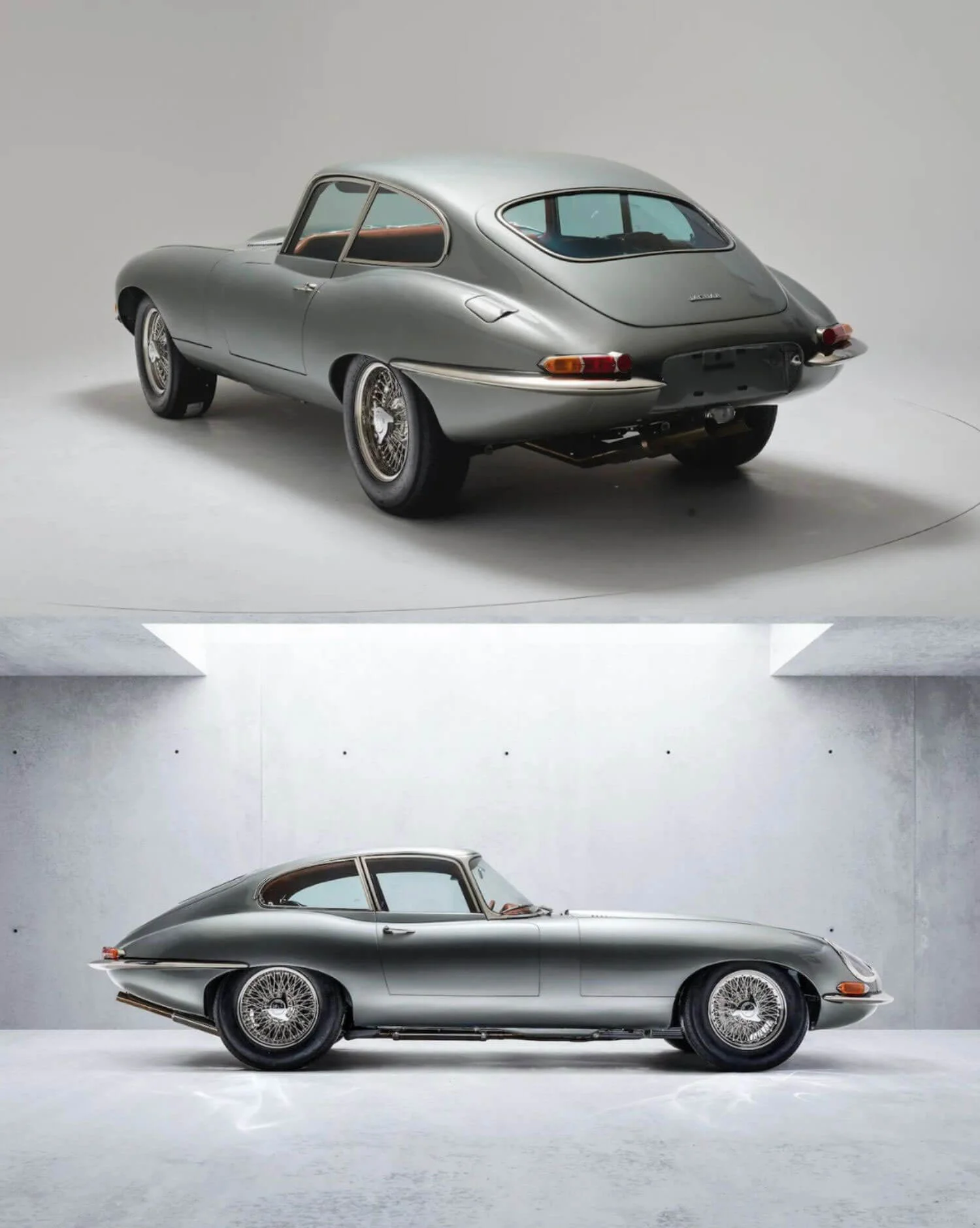
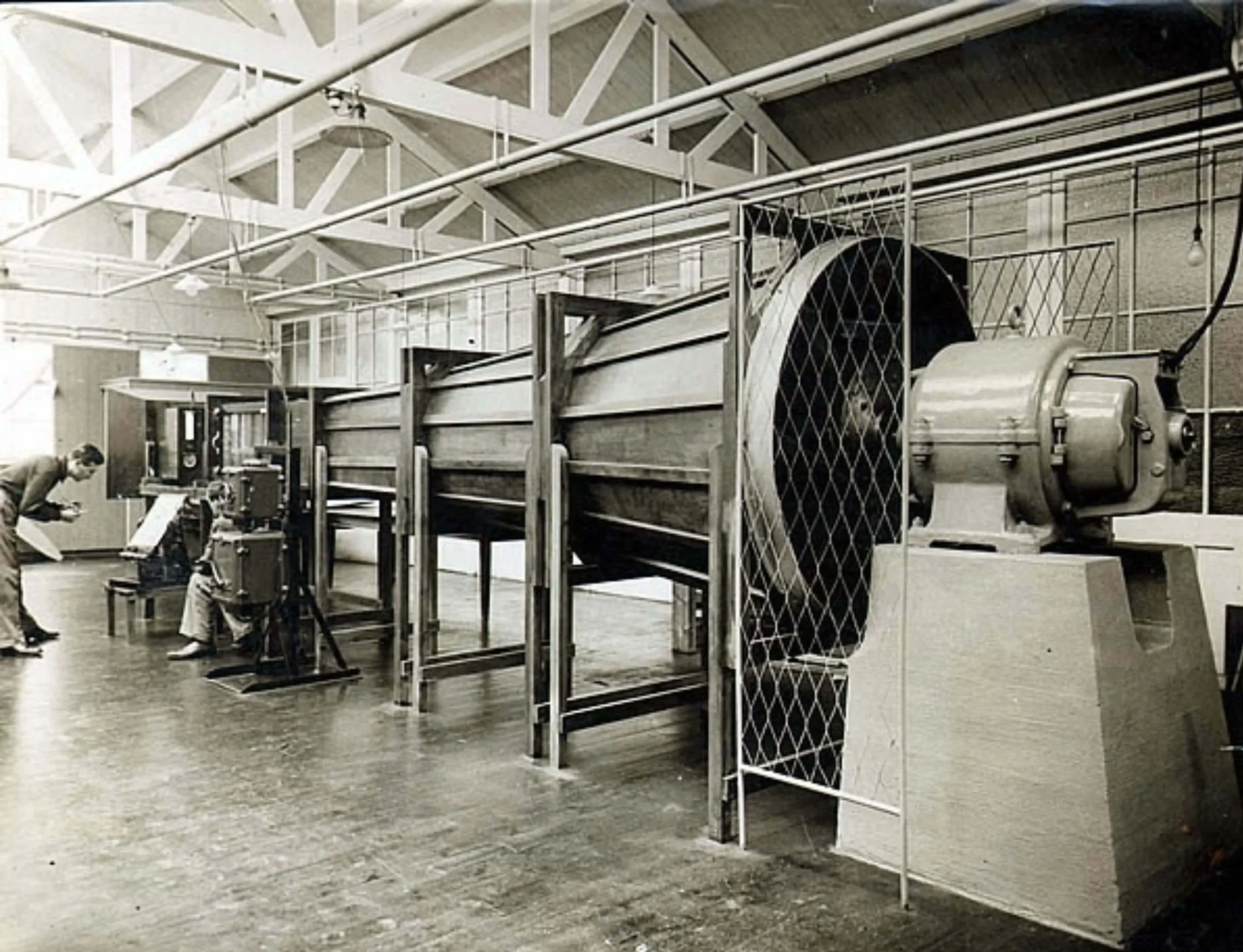
When mentioning this car, it is hard not to talk about the work of Malcolm Sayer, the designer behind some of Jaguar's best works from this period. Sayer’s process, however, did not start with any of the details that I mentioned Jesse loves. Instead, this car was born of strict principles related to aerodynamics, making it even more special.
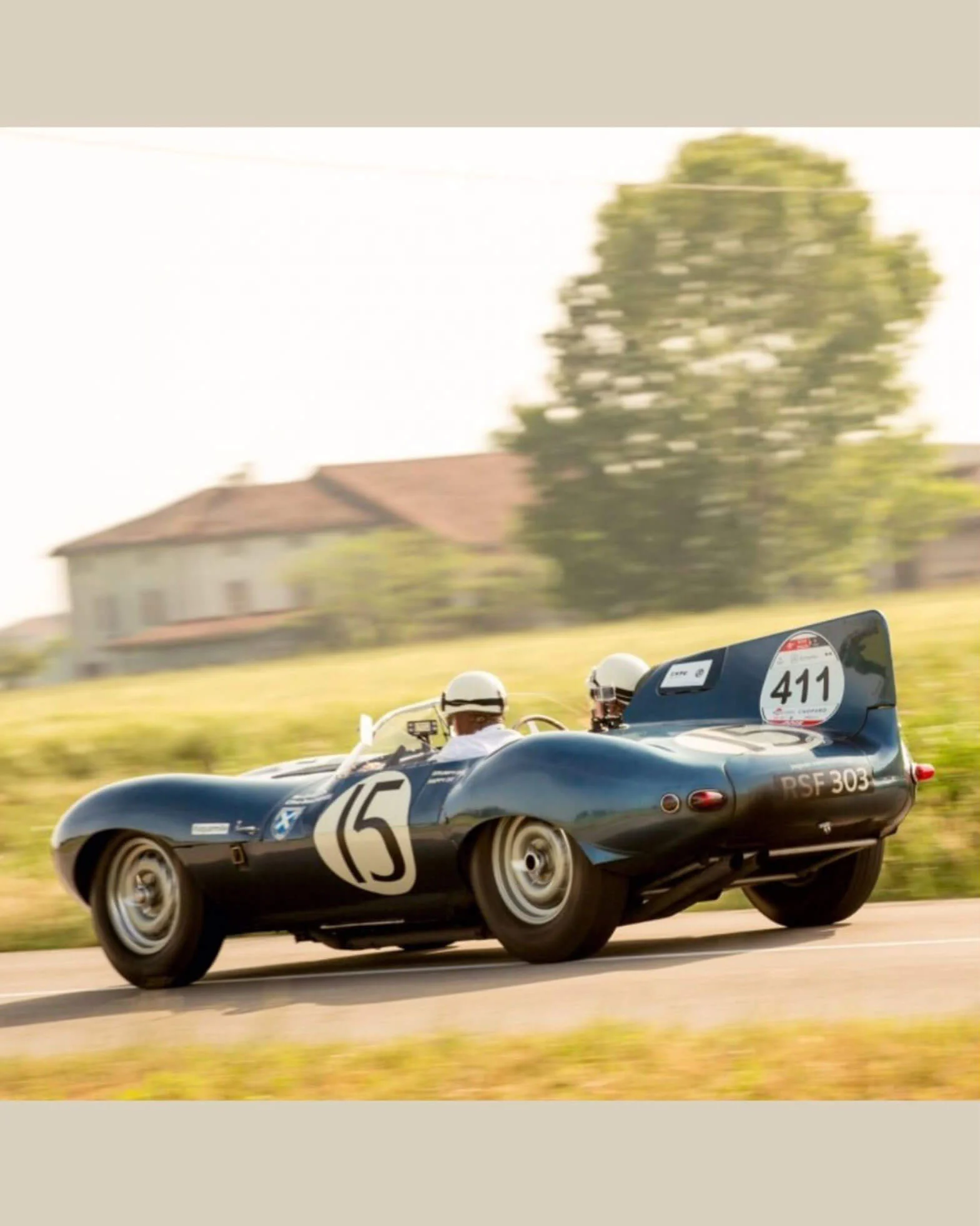
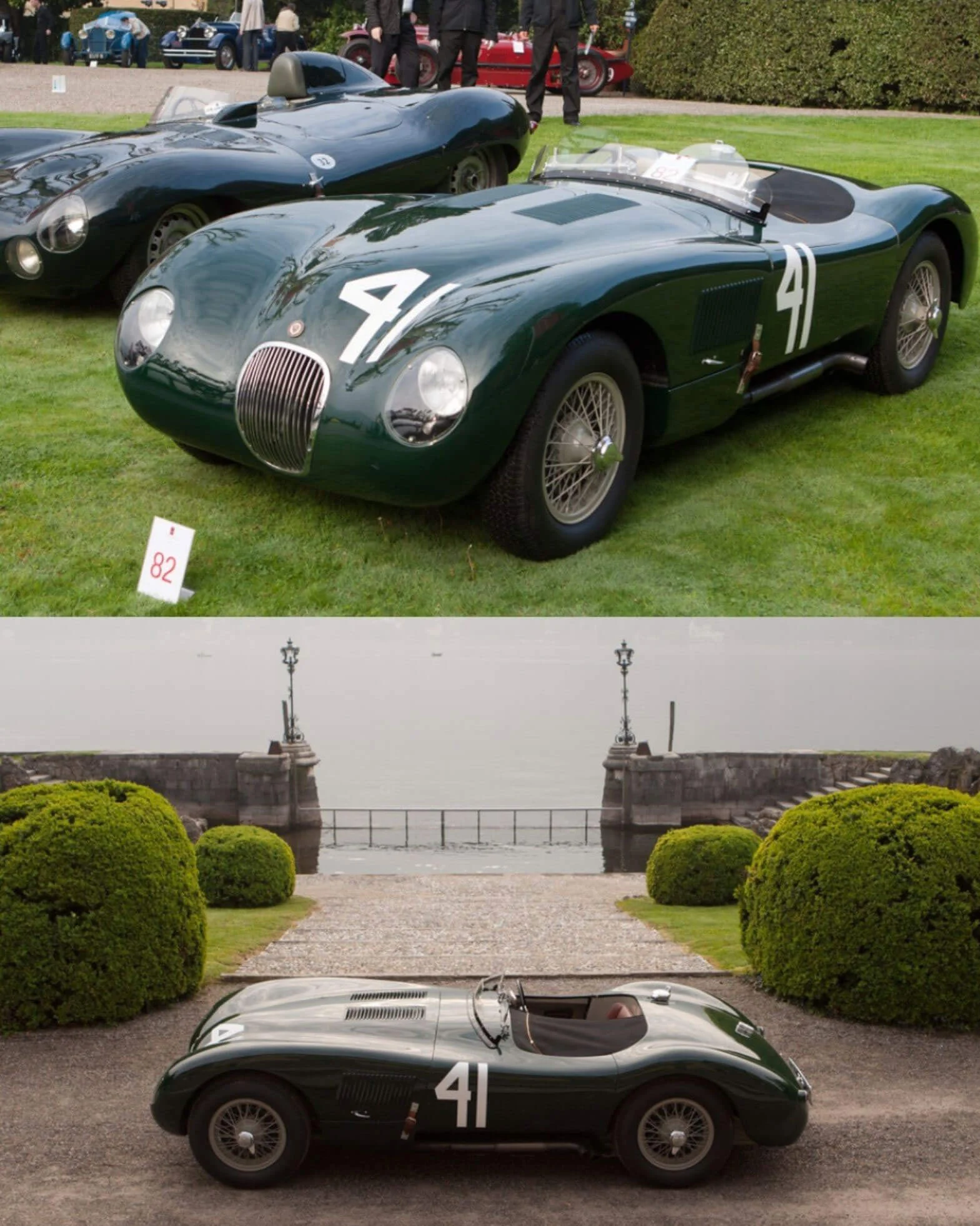
“SAYER UNIQUELY BLENDED SCIENCE AND ART TO PRODUCE TIMELESS SHAPES OF EXCEPTIONAL AND ENDURING BEAUTY. HE BROUGHT SCIENT TO THE ART OF CAR DESIGN; AND SCIENTIFICALLY PRODUCED WORKS OF ART.”
- New York Museum of Modern Art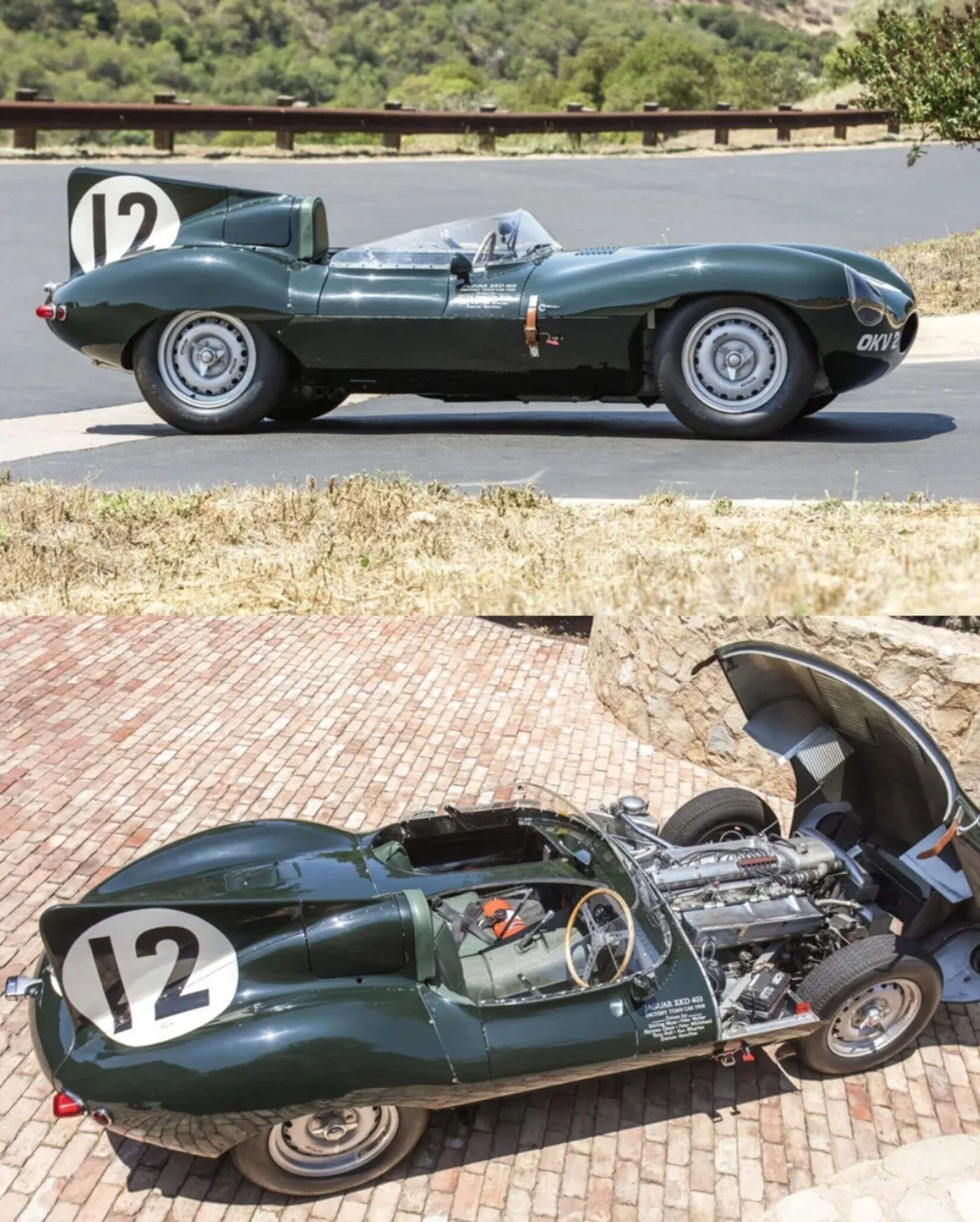
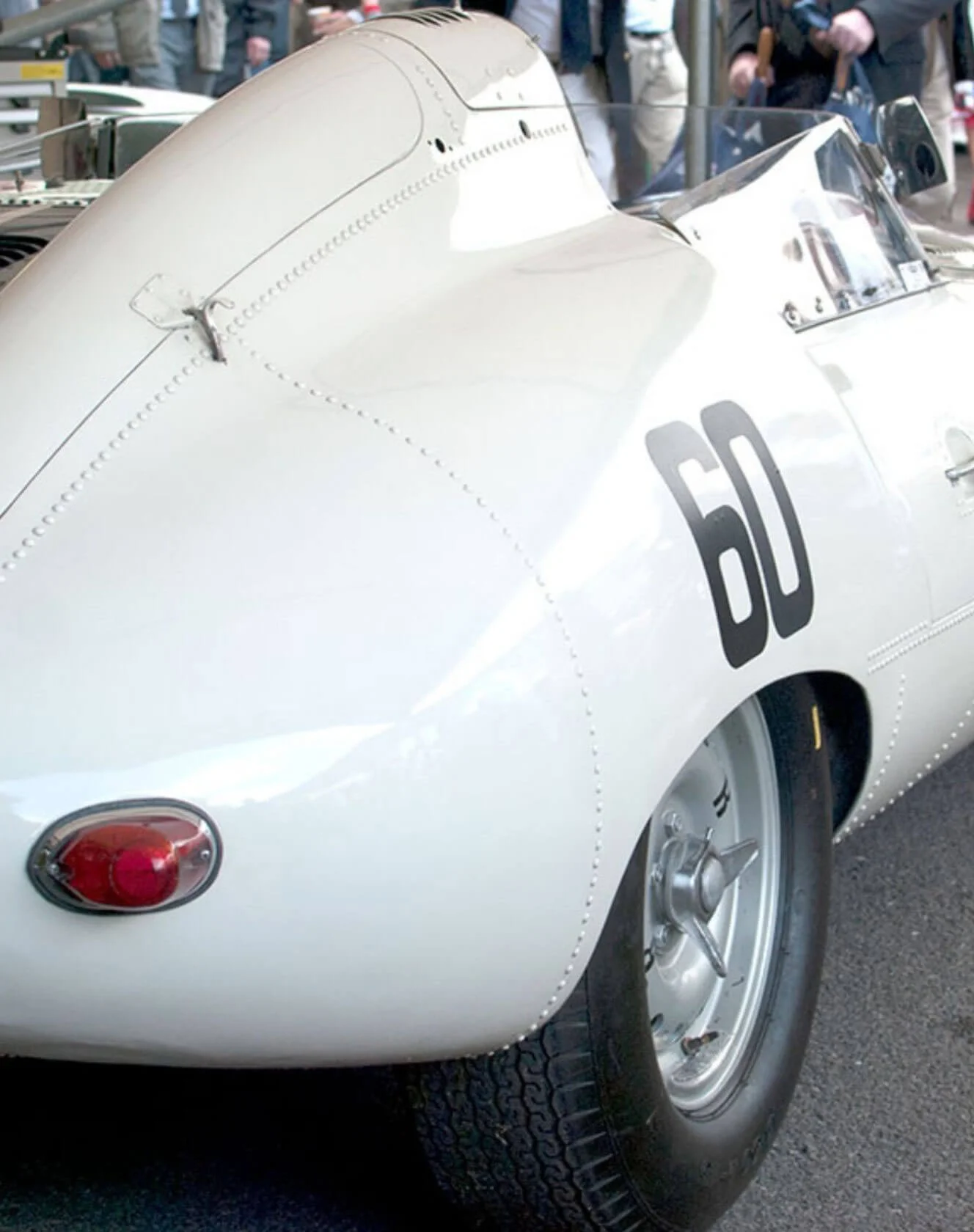
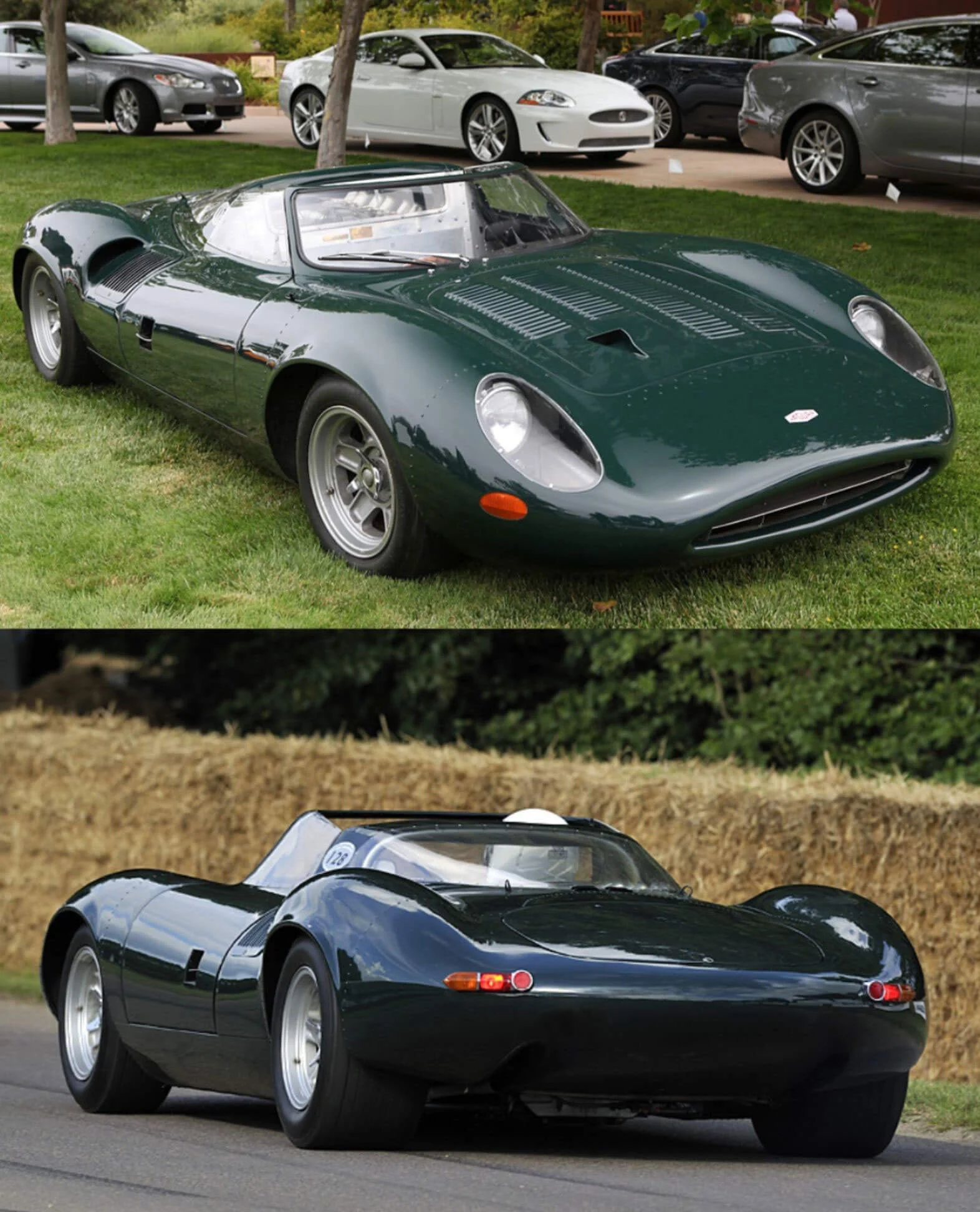
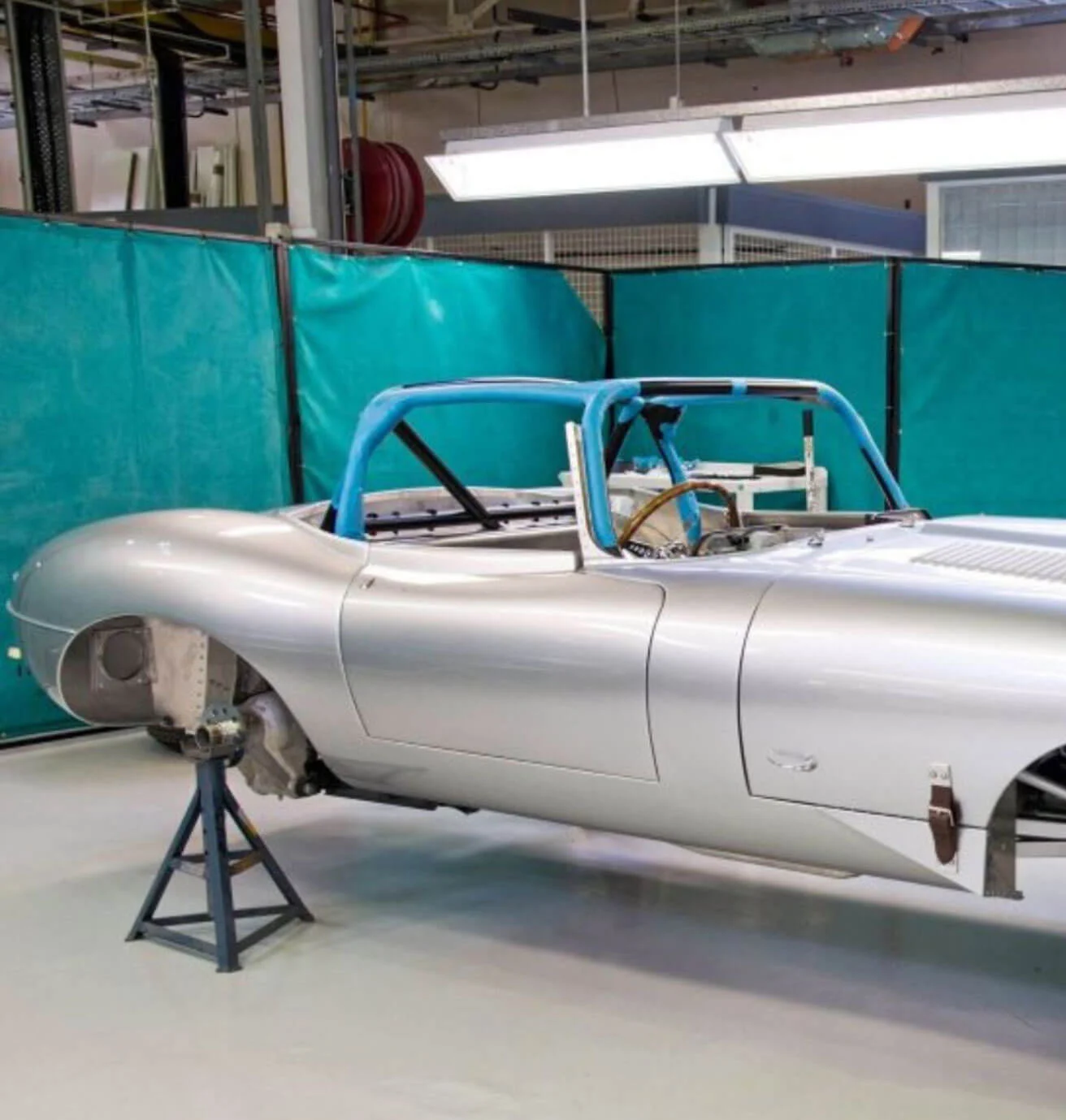
Malcolm Sayer was not a trained automotive stylist. He was a brilliant aeronautic engineer who spent World War II working for the Bristol Aeroplane Company. When he joined Jaguar, he brought his aviation principles with him. His mathematical genius also created the Jaguar C-Type, D-Type, XJ13, and XJ-S pictured above.