Blenheim Palace
OUR VISIT TO:
BLENHEIM
PALACE
VASTNESS EMBRACED
THROUGH SIMPLICITY
After visiting Blenheim Palace in 2018, we had no idea that its legendary landscape was the work of Lancelot “Capability” Brown. It was only years later, while researching the history of the gardens we loved so much, that we discovered the man behind the design. Returning this past fall, we were able to walk the grounds with a newfound appreciation, and it felt like the perfect time to share what we learned.
A SECOND VISIT
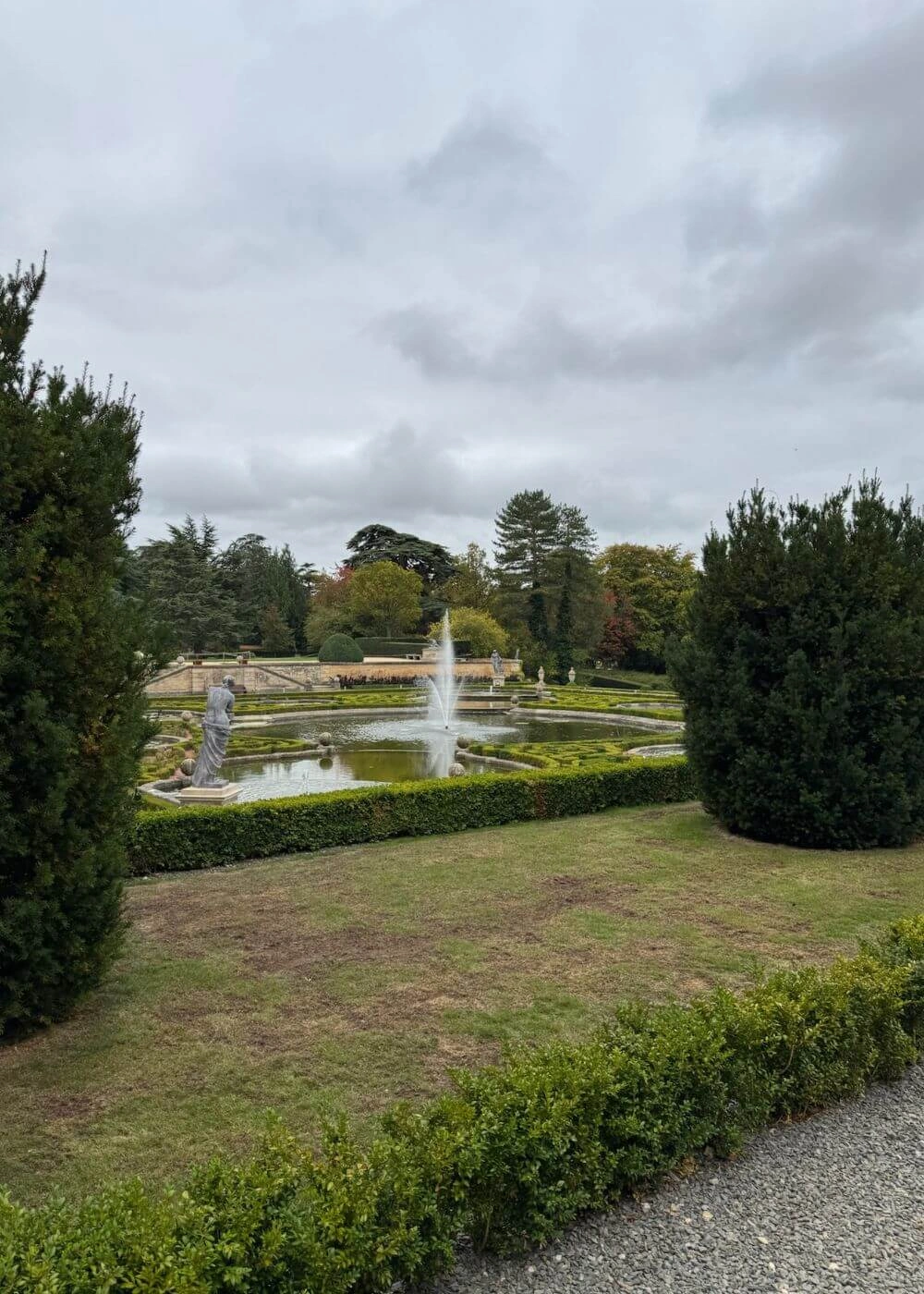
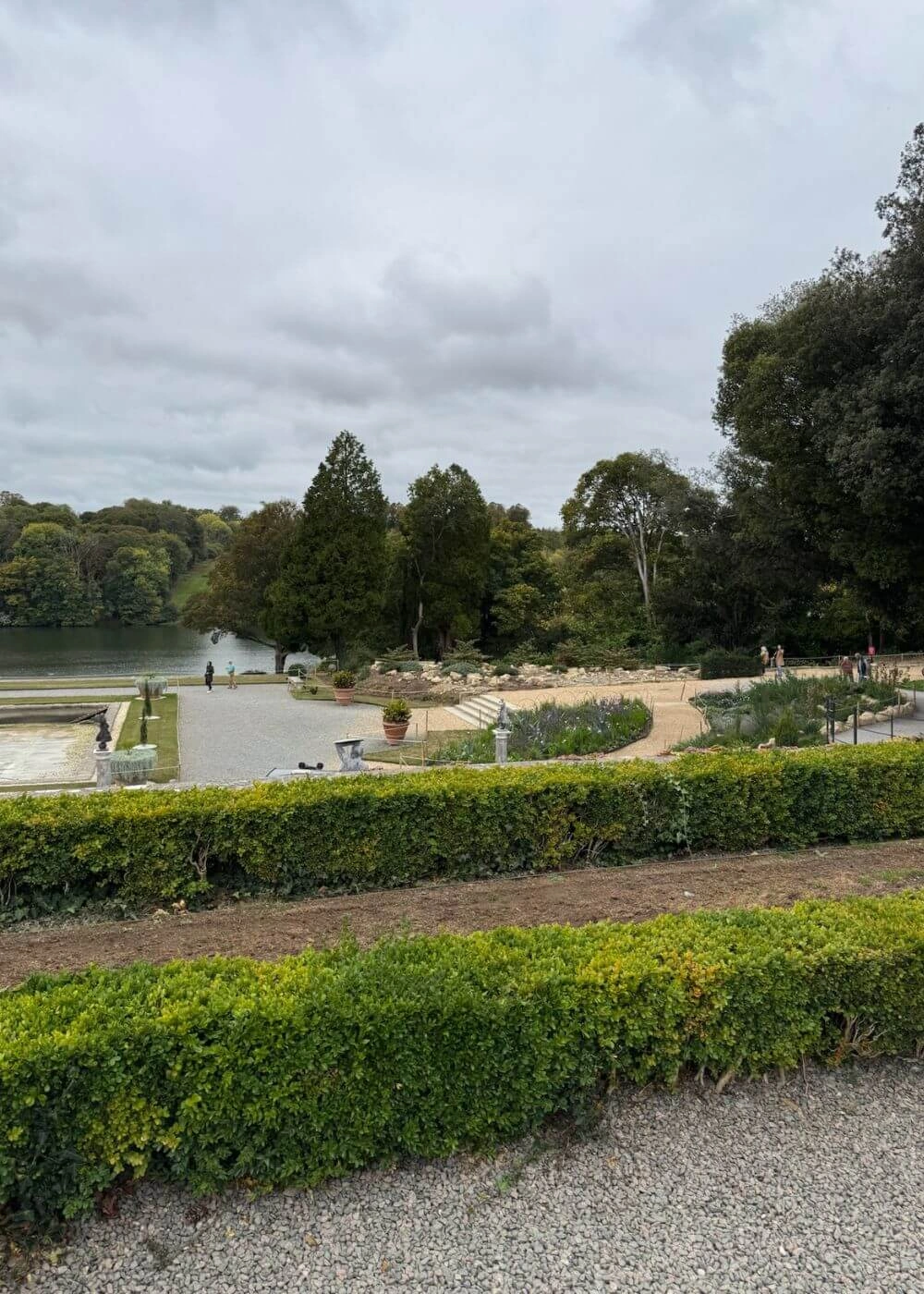
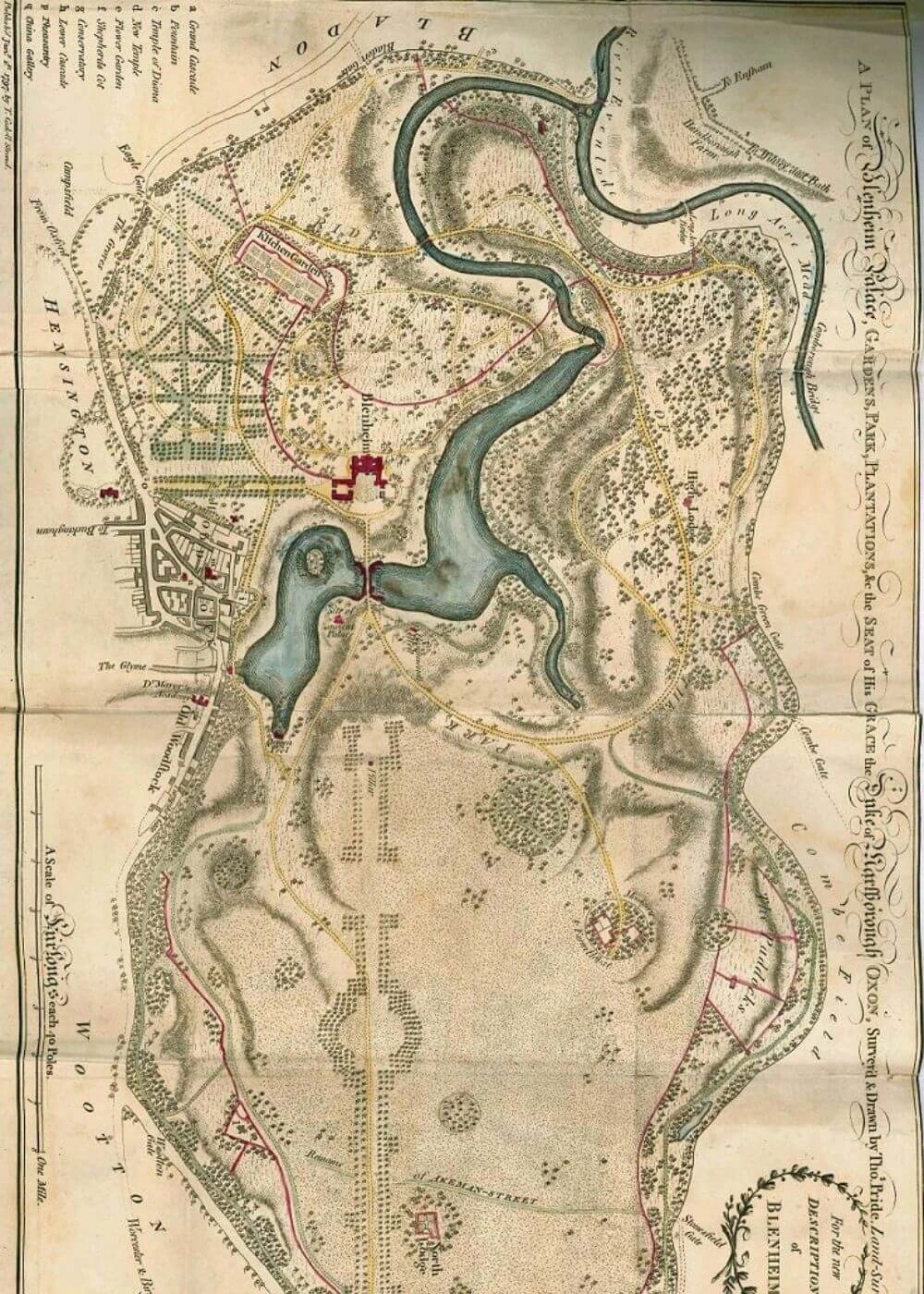
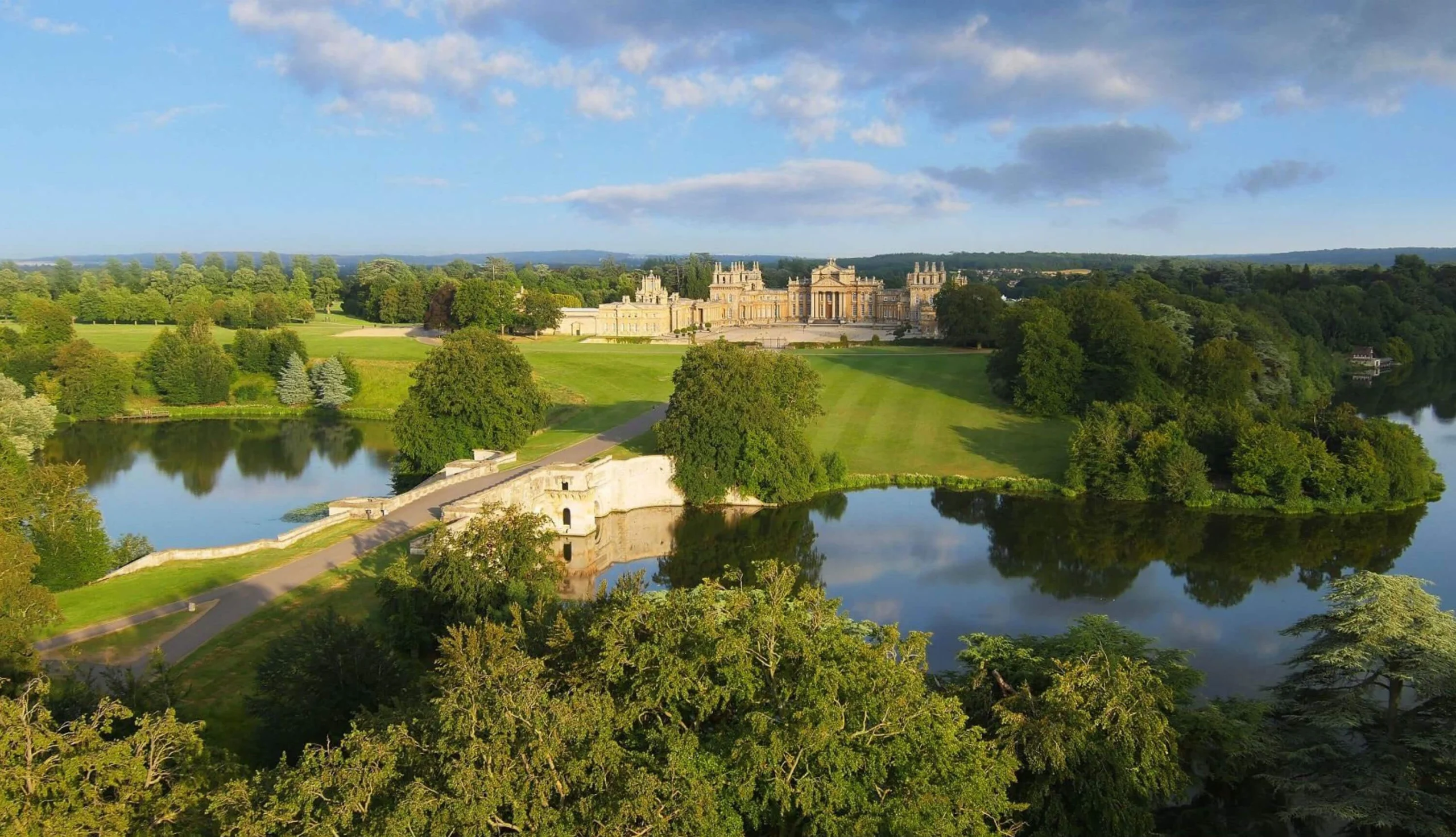
If you have the chance to visit, I highly recommend the perimeter walk. This path offers the most comprehensive view of the landscape and the vast scale of Brown's work. His transformation of the parklands took eleven years to complete, beginning in 1764. Remarkably, the landscape has remained largely unchanged for over 250 years. Brown’s talent for creating an idyllic, naturalistic style means his work often goes unnoticed as a result, appearing as though it has always existed exactly as you see it.
A TALL FIGURE
AMONG THE ENGLISH
GARDENS
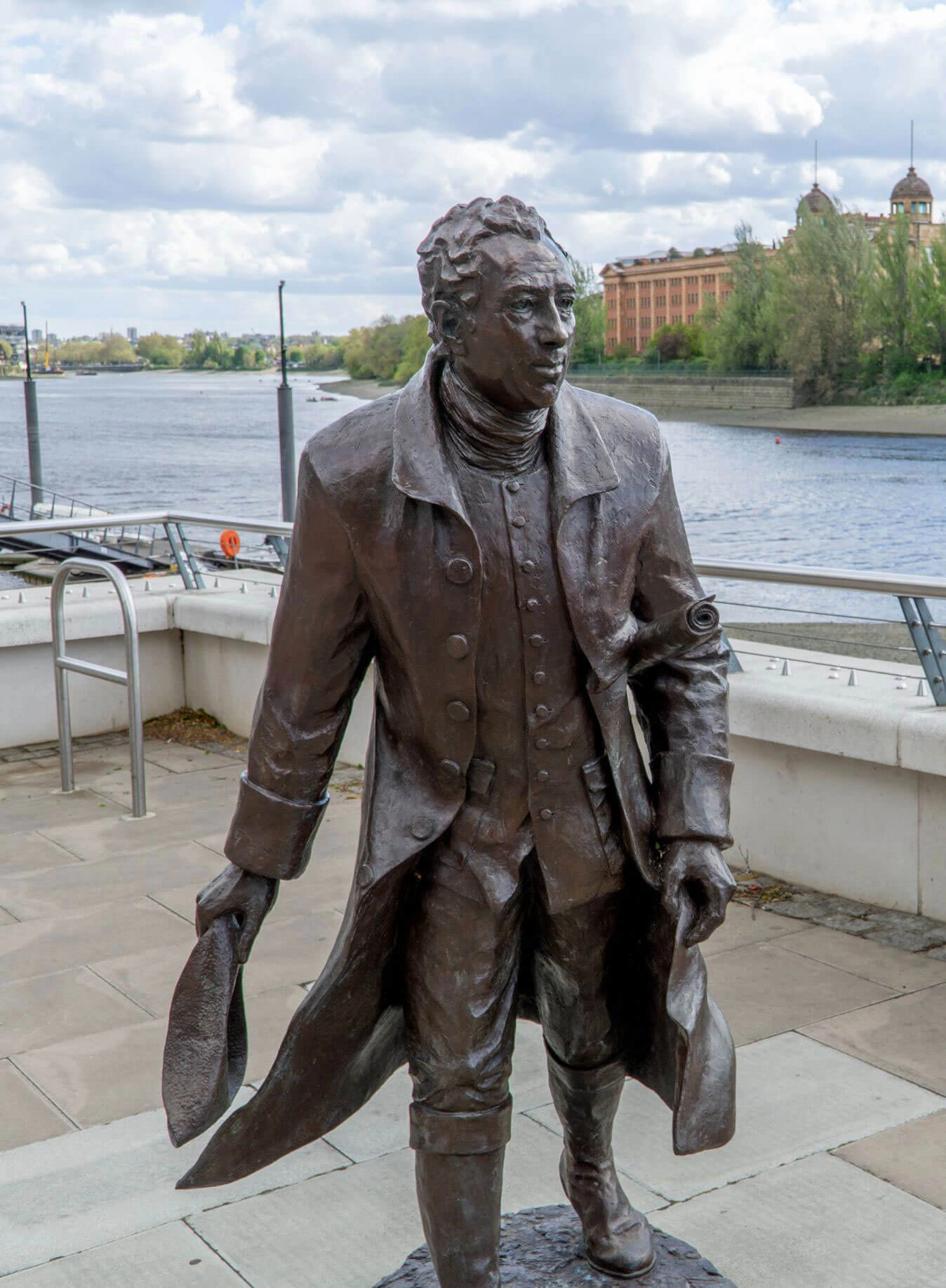
In the history of landscape architecture, few figures command as much respect as Lancelot Brown. He earned his nickname, “Capability,” because he frequently told his aristocratic clients that their estates had the “capability” for improvement. He believed the land held a hidden potential that required a distinct vision to reveal. By shifting the paradigm from rigid, imposed geometry to a fluid expression of form, he became the most significant figure in the evolution of the English garden.

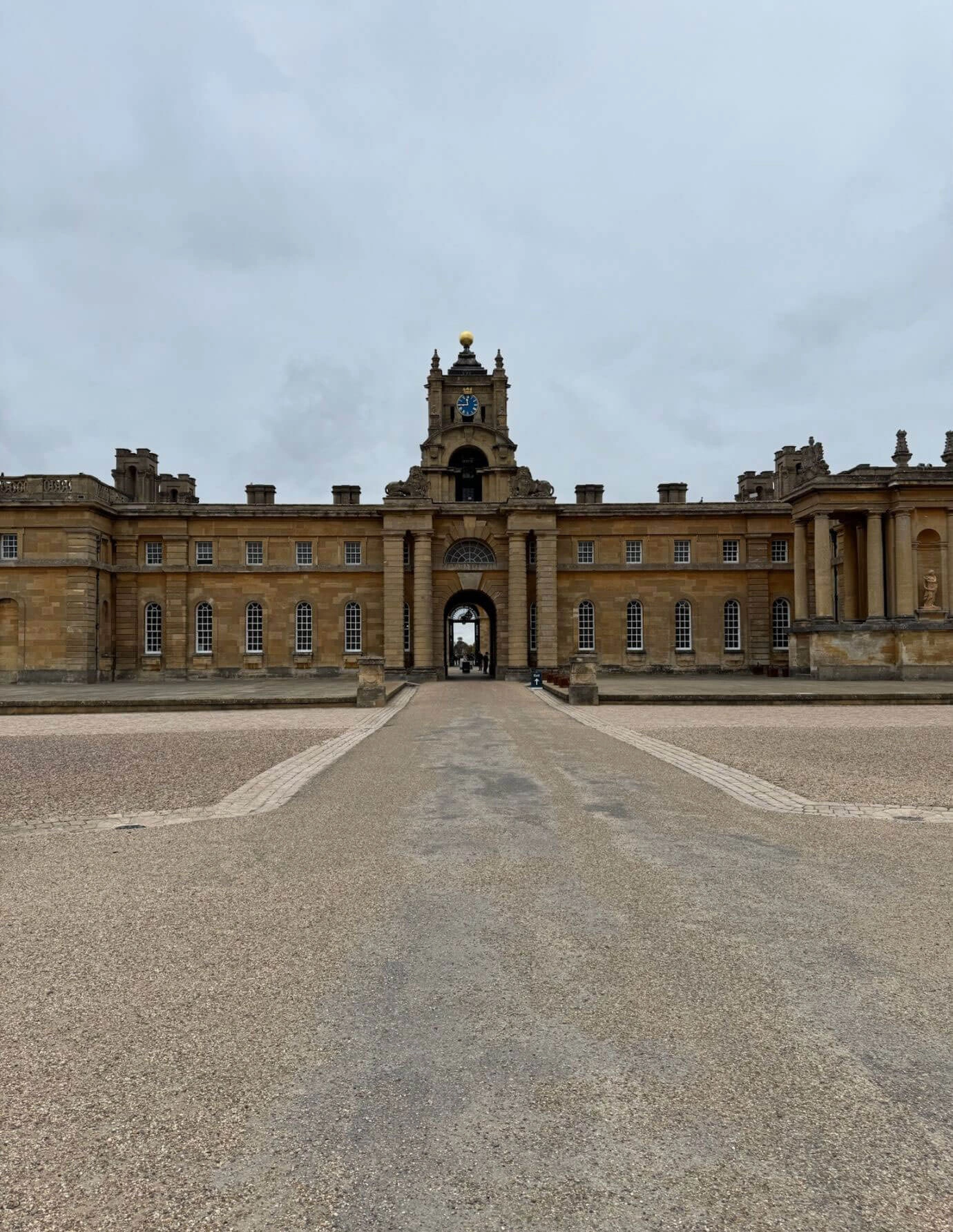
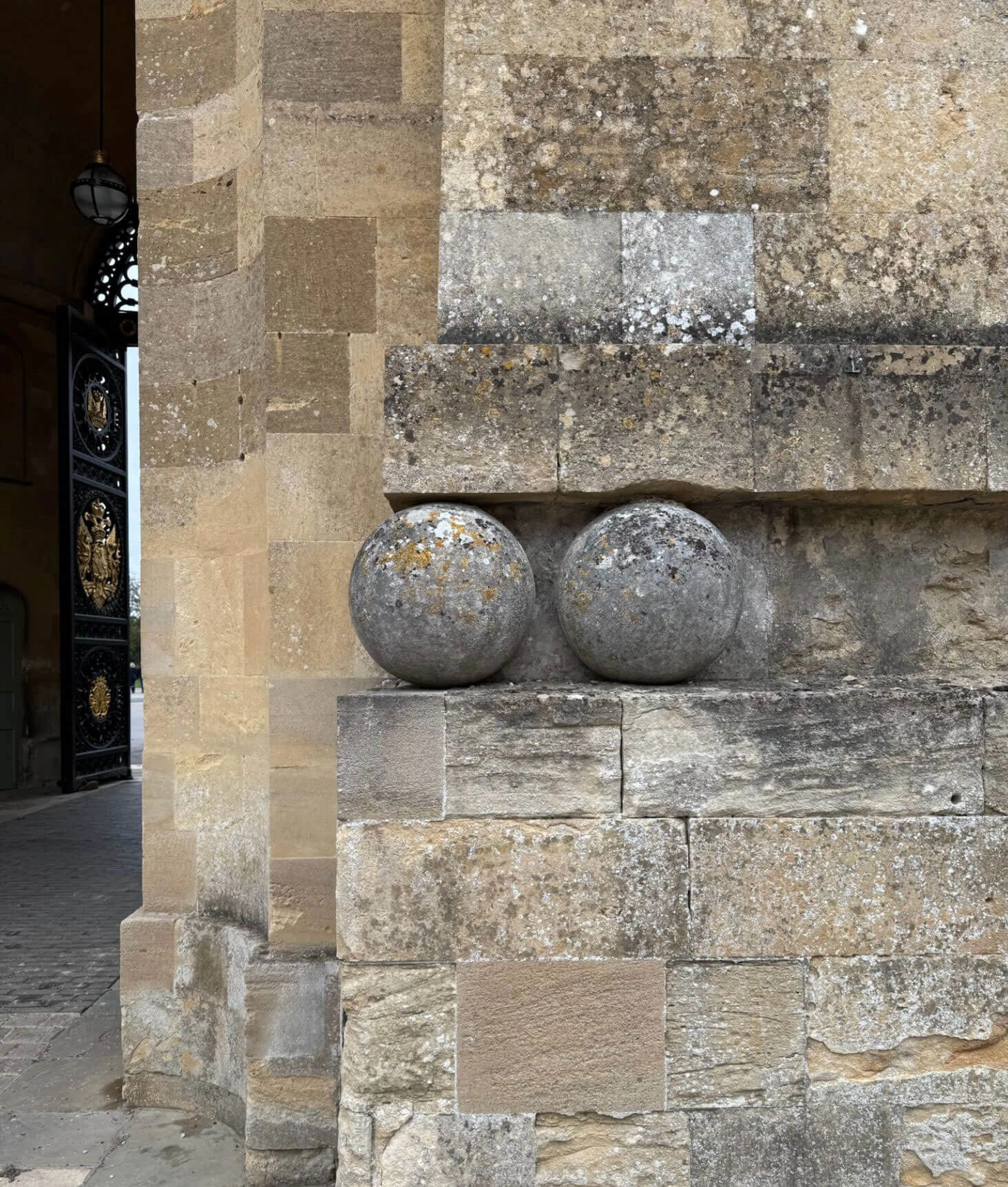
The arrival experience is defined by a long, winding driveway lined with olive trees, passing several curated gardens and low, wide structures set among them. The main structure, dating back to 1751, offers a touch of classic Spanish rusticity through its stone walls and deep, arched entryways. As you observe it, what is immediately apparent is the respect for the original materials. The restoration did not seek to scrub away the patina but rather highlighted the imperfections of the masonry.
CONTRAST BETWEEN
RIGID FORM & LUSH
SURROUNDINGS
The arrival experience is defined by a long, winding driveway lined with olive trees, passing several curated gardens and low, wide structures set among them. The main structure, dating back to 1751, offers a touch of classic Spanish rusticity through its stone walls and deep, arched entryways. As you observe it, what is immediately apparent is the respect for the original materials. The restoration did not seek to scrub away the patina but rather highlighted the imperfections of the masonry.
A BRIDGE SET
IN NATURE
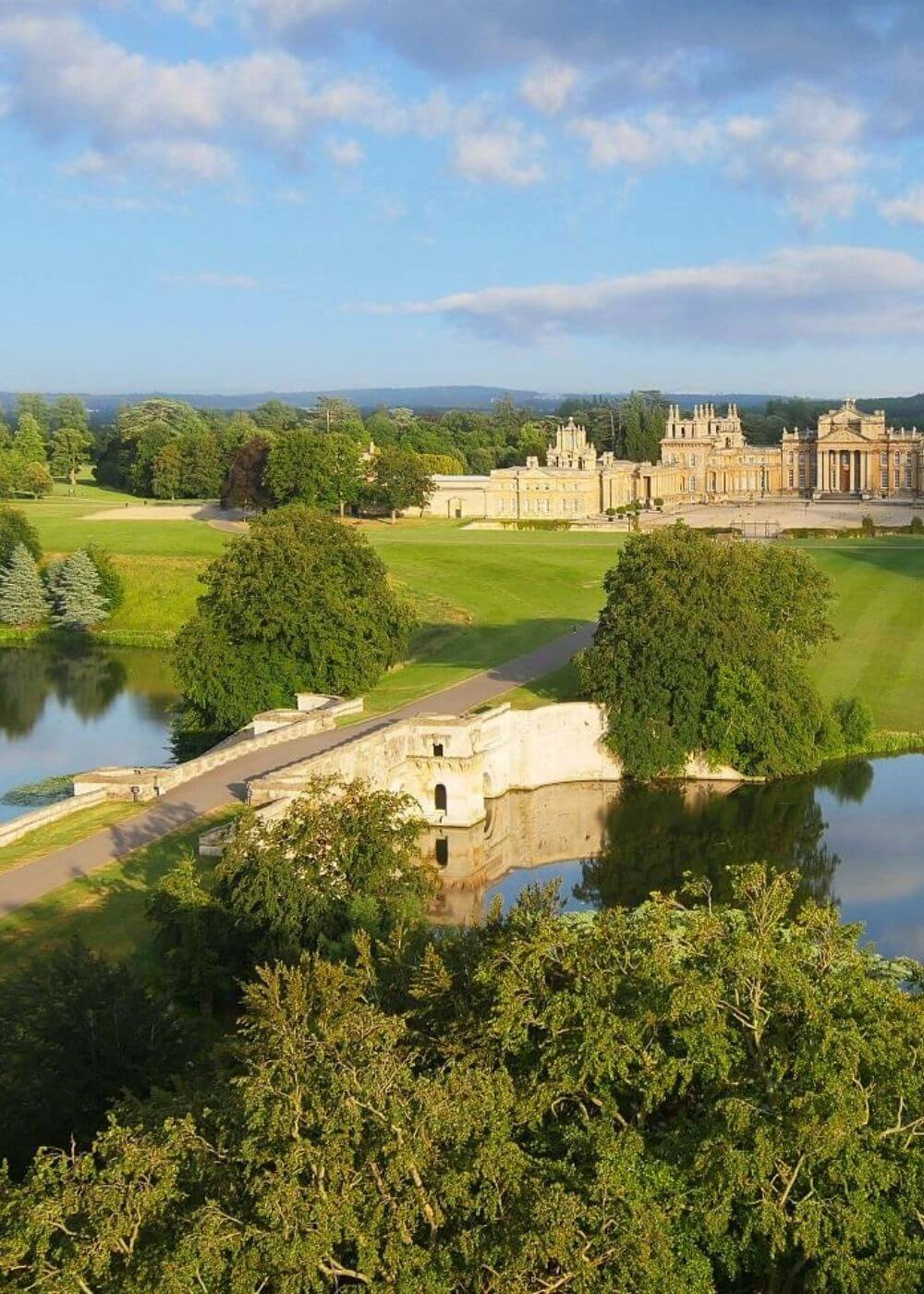
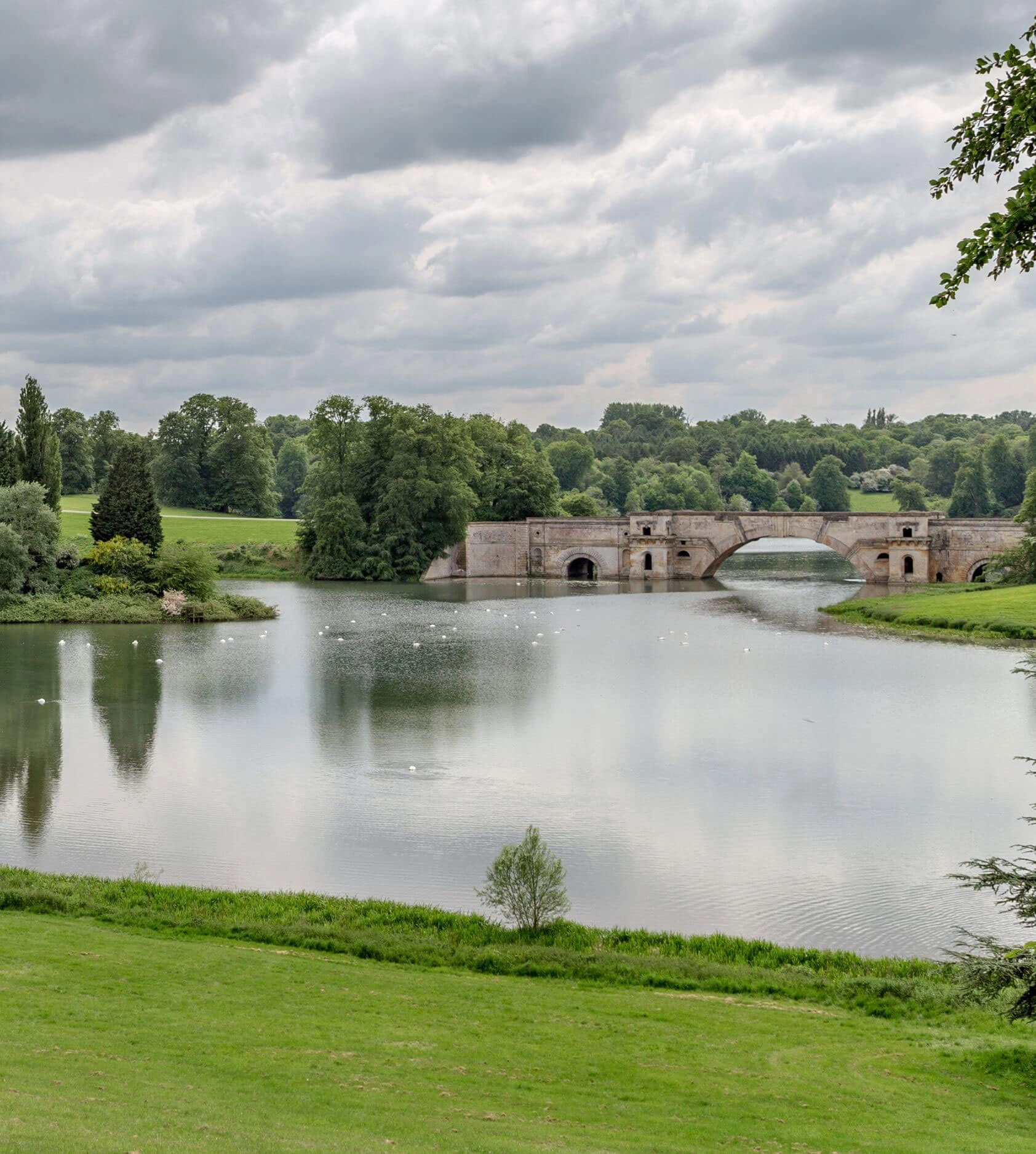
Perhaps the most fascinating example of his vision is his treatment of the Grand Bridge. Originally designed by Sir John Vanbrugh, the massive structure was famously disproportionate to the trickling River Glyme that ran beneath it. Brown’s solution was to flood the valley, widening the river into the stunning Great Lake we see today. By damming the water, he submerged the lower three storeys of the bridge, effectively "nestling" the structure into the water. This bold move left over thirty rooms (including a ballroom and a theatre) deliberately underwater, where they remain today as hidden relics of the past.
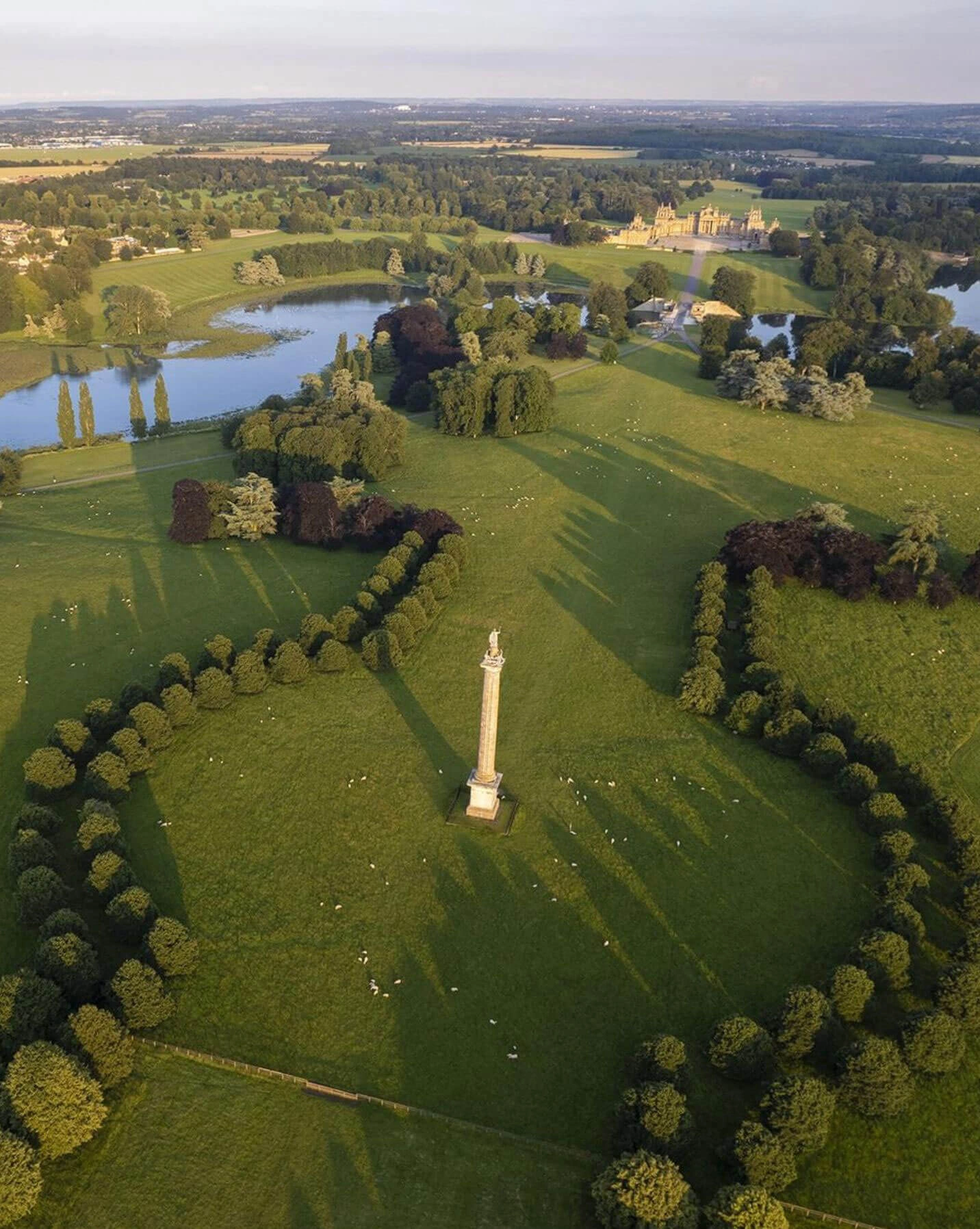
This philosophy speaks deeply to our own design intent. Brown proved that true elegance does not come from intricate, fussy detailing, but from a mastery of proportion and massing. He utilized the "ha-ha," a sunken masonry wall that acted as a barrier for livestock without obstructing the view, to allow the eye to travel uninterrupted from the drawing room to the distant horizon. This single design element effectively blurred the boundary between the built form and the natural world, creating a sense of infinite space that feels both grand and inviting.
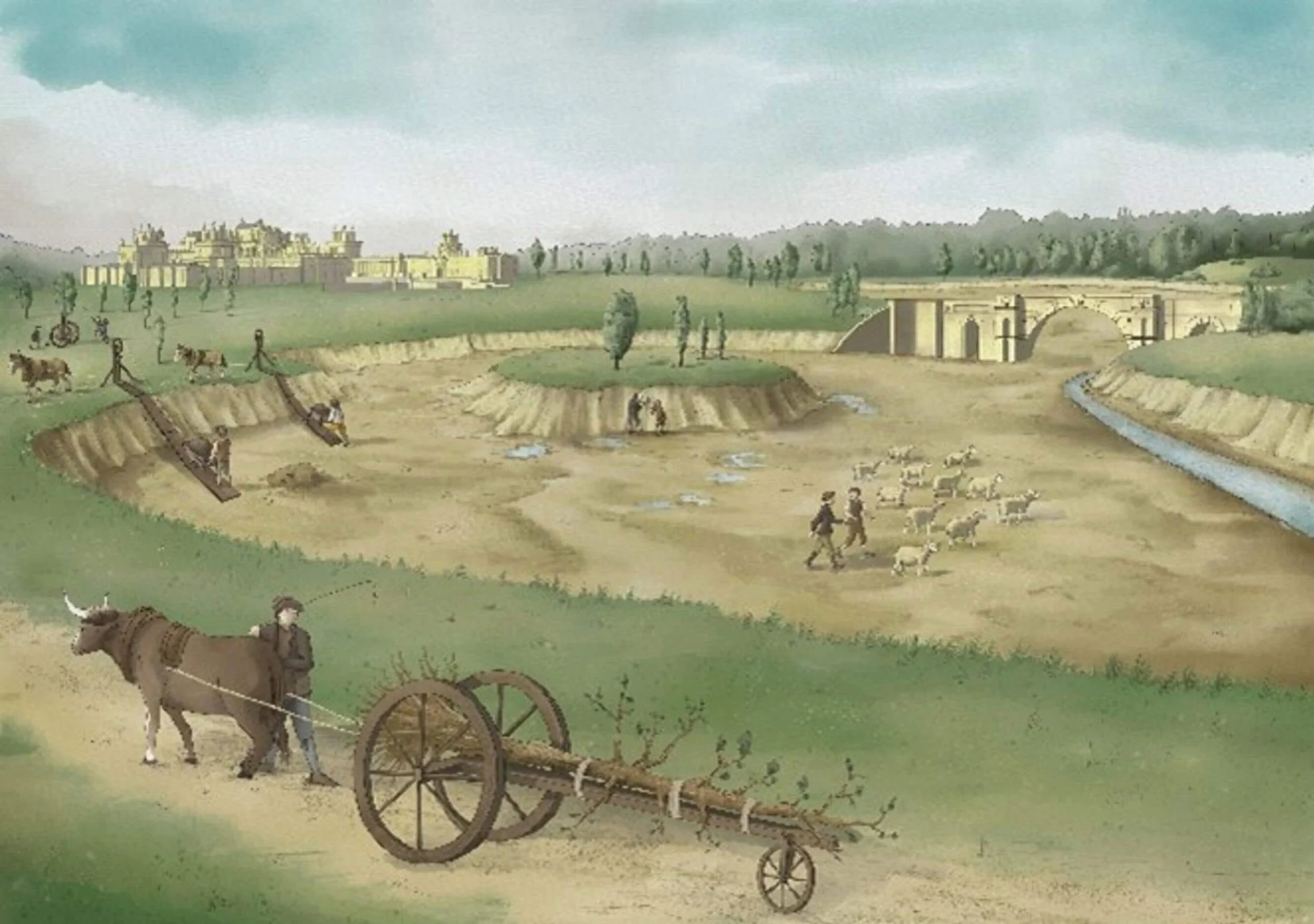
Ultimately, Brown’s work was about curating the view. He treated the landscape not merely as a collection of plants, but as a series of architectural volumes and voids, understanding that the space between the trees was just as important as the trees themselves. It serves as a reminder that whether we are designing a stone facade or a sprawling country estate, the goal is always to create a cohesive environment where every element feels connected to the unique character of the site.