Scottish Hill Houses
OUR TRAVELS:
SCOTTISH
HILL HOUSES
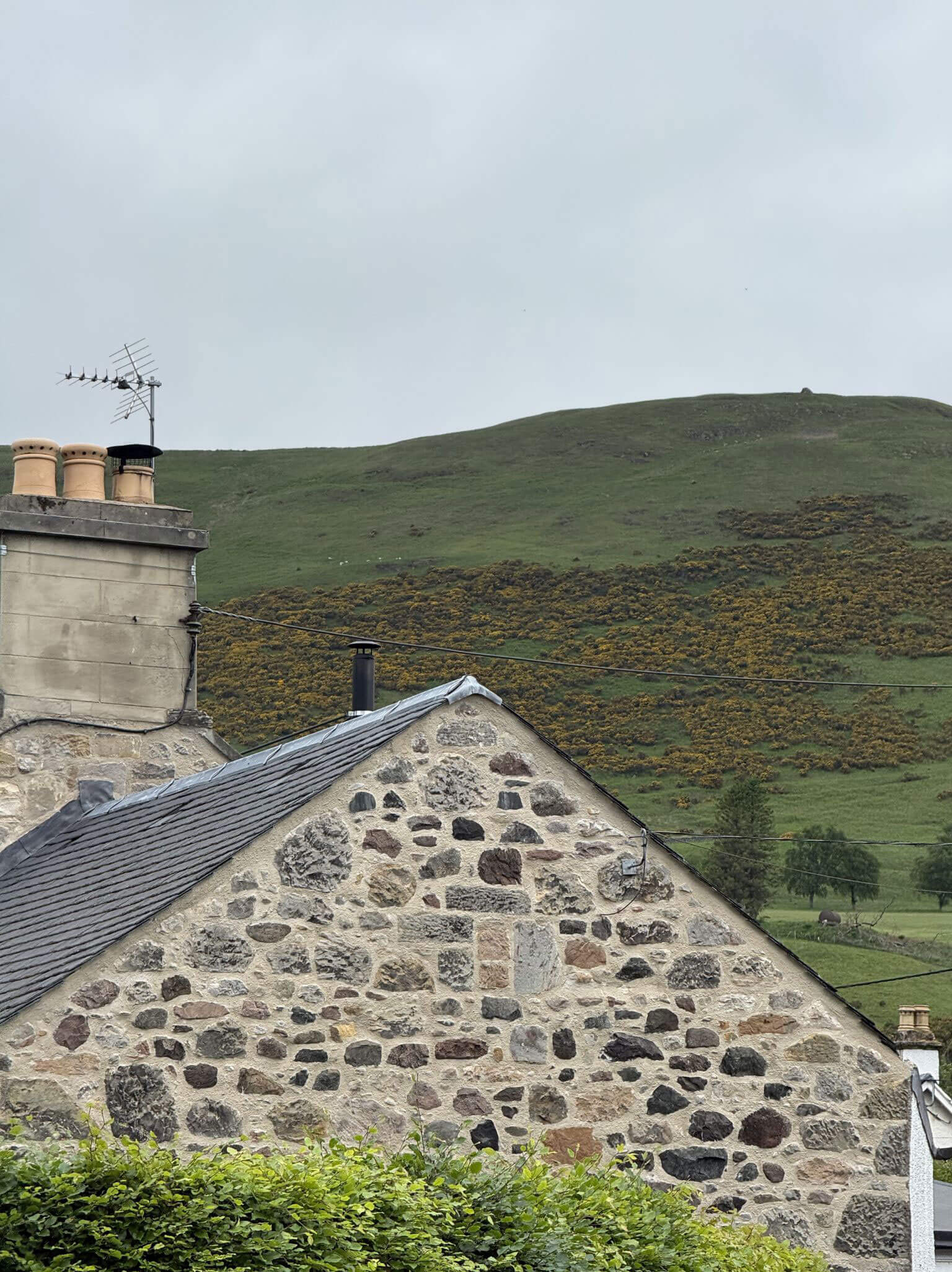
There is a particular kind of building we always find ourselves drawn to when we travel through the Scottish Highlands, and it is not the castles or the grand estates. It is the modest hill house, the rustic stone cottage that sits low against the slope as though it grew out of the ground it stands on. We collect images of these the way we collect masonry details everywhere we go, because there is a lesson in them that is easy to admire and difficult to achieve. These houses were never built to impress. They were built to endure, and in enduring they became some of the most quietly beautiful structures we have come across.
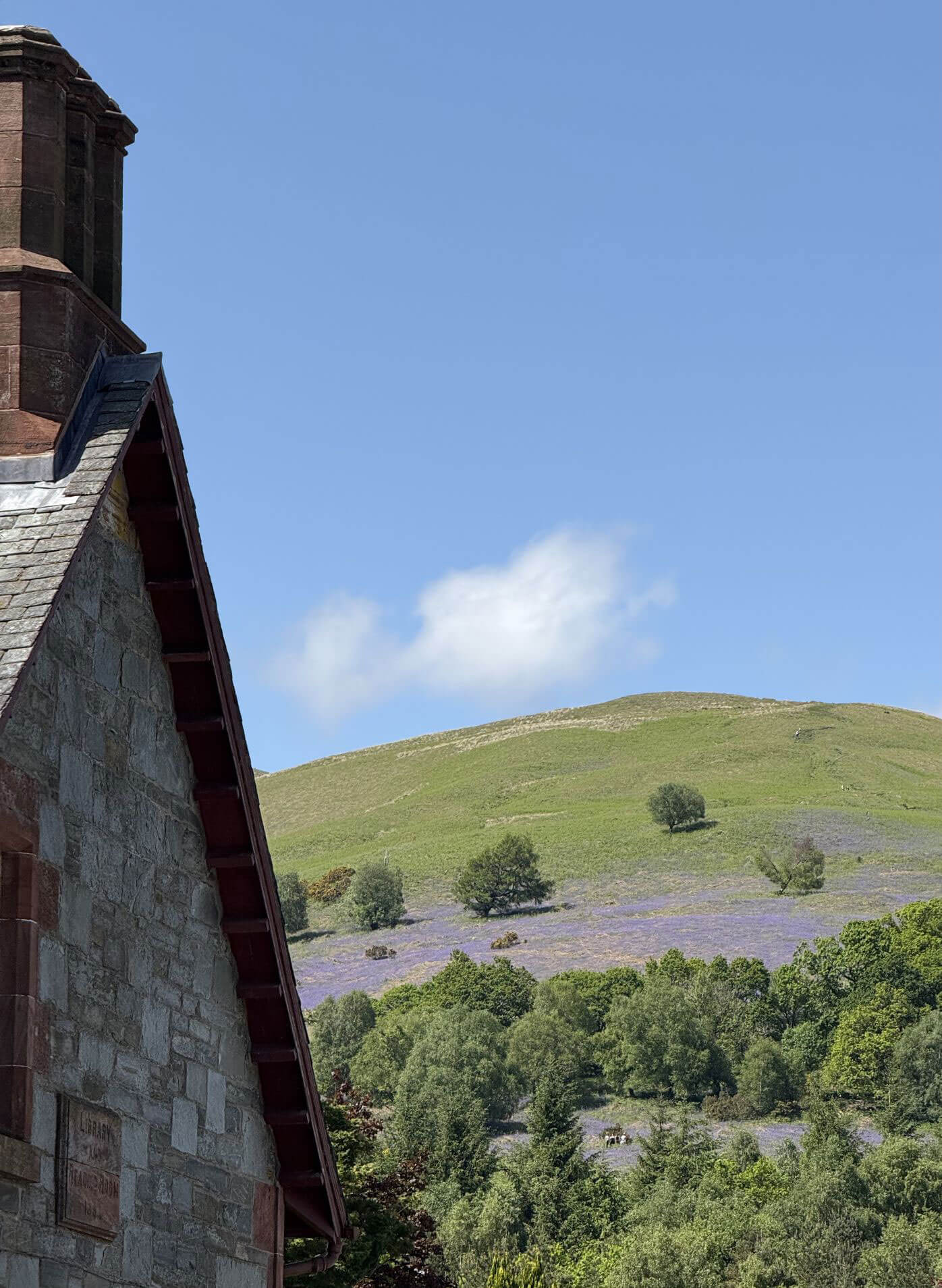
Everything begins with the stone. Built from local rubble stone gathered from the land around them, and bound with lime mortar or laid dry, these walls carry the exact colour and texture of the hillside they sit within. The result is a home that never reads as an object placed on the landscape but as something drawn from it, weathered by the same wind and rain that shape the moor. There is a rustic honesty to that kind of construction, and it is the reason these houses feel so permanent even when they are centuries old and half the roof has gone.
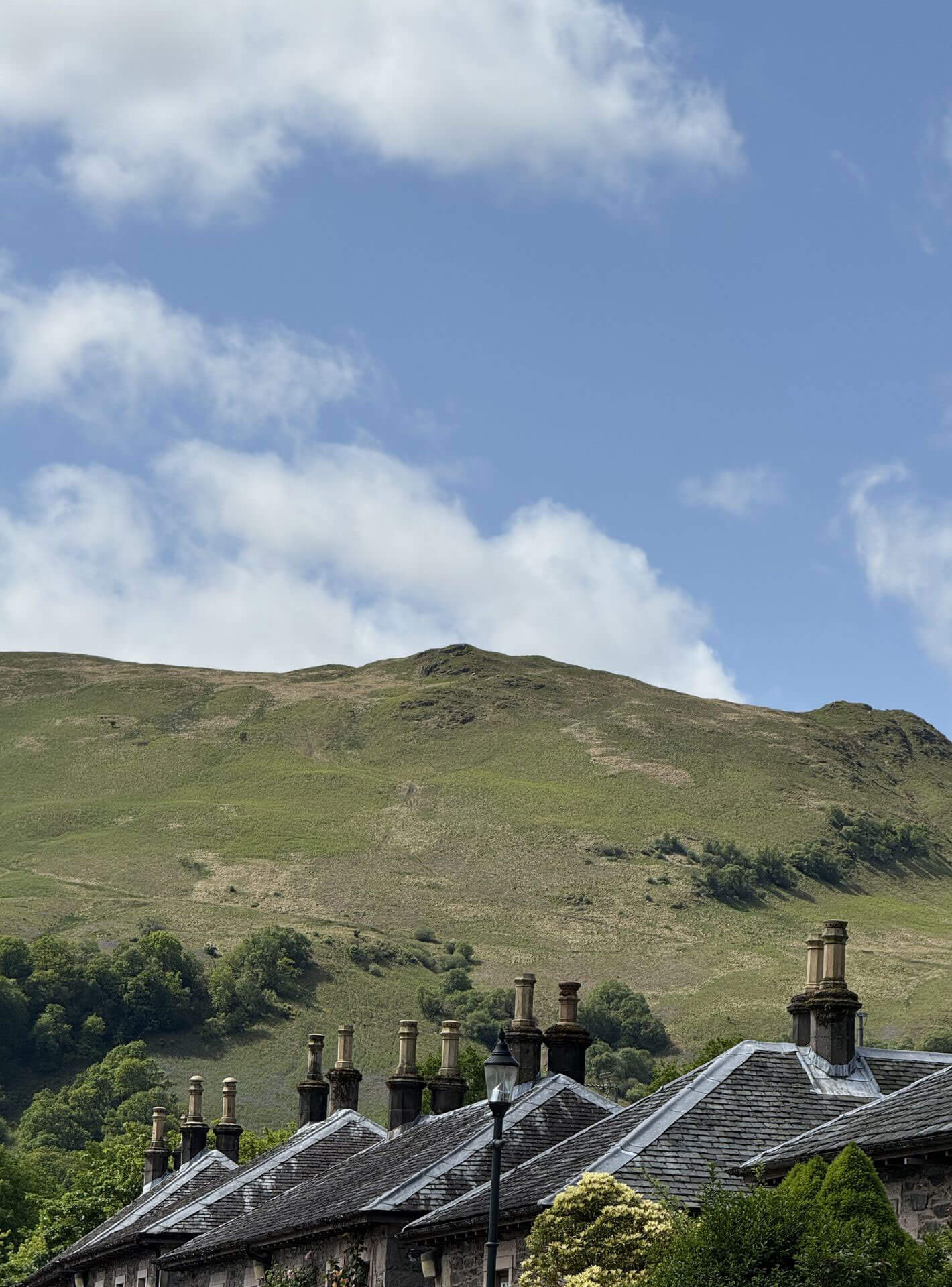
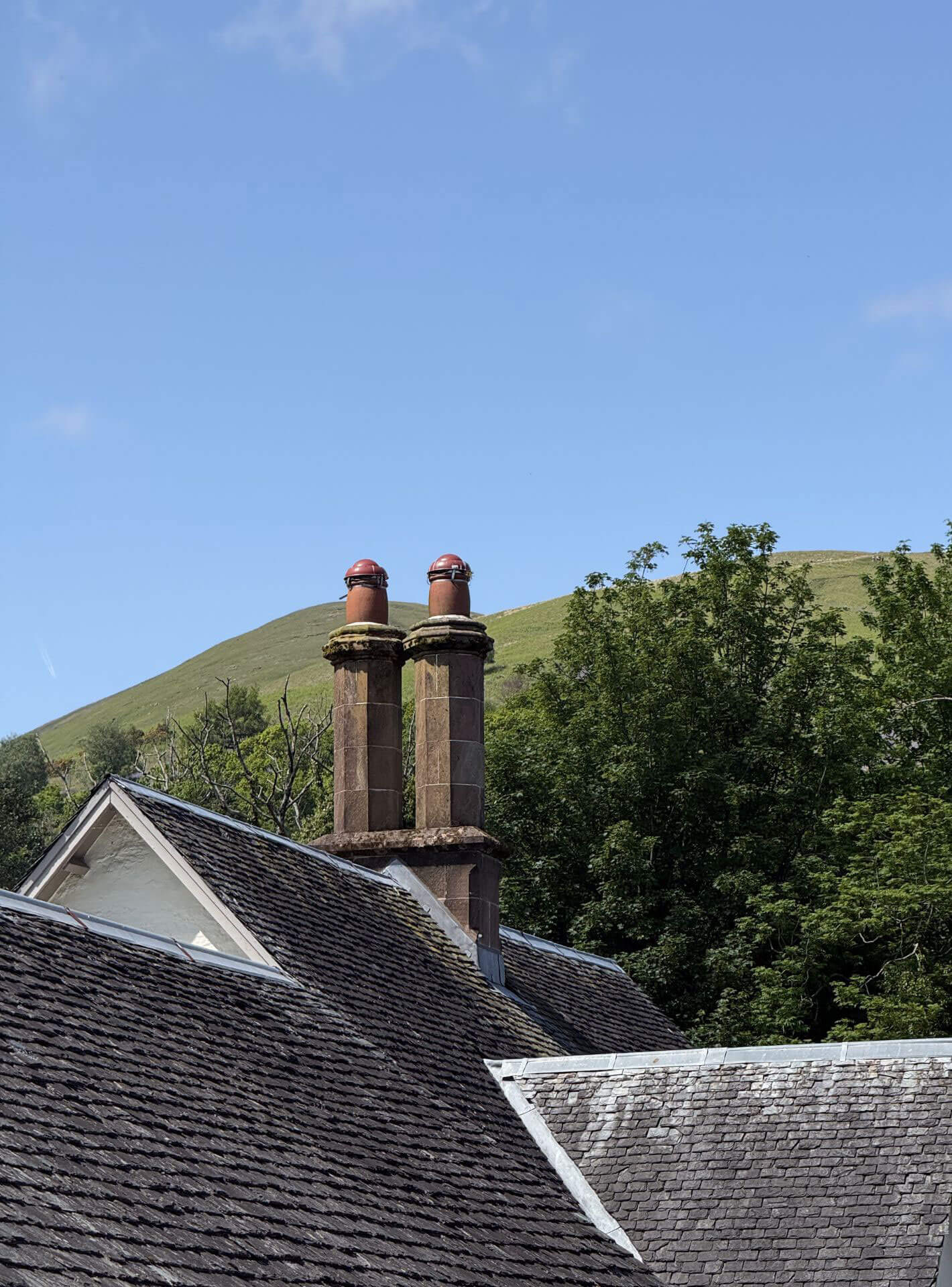
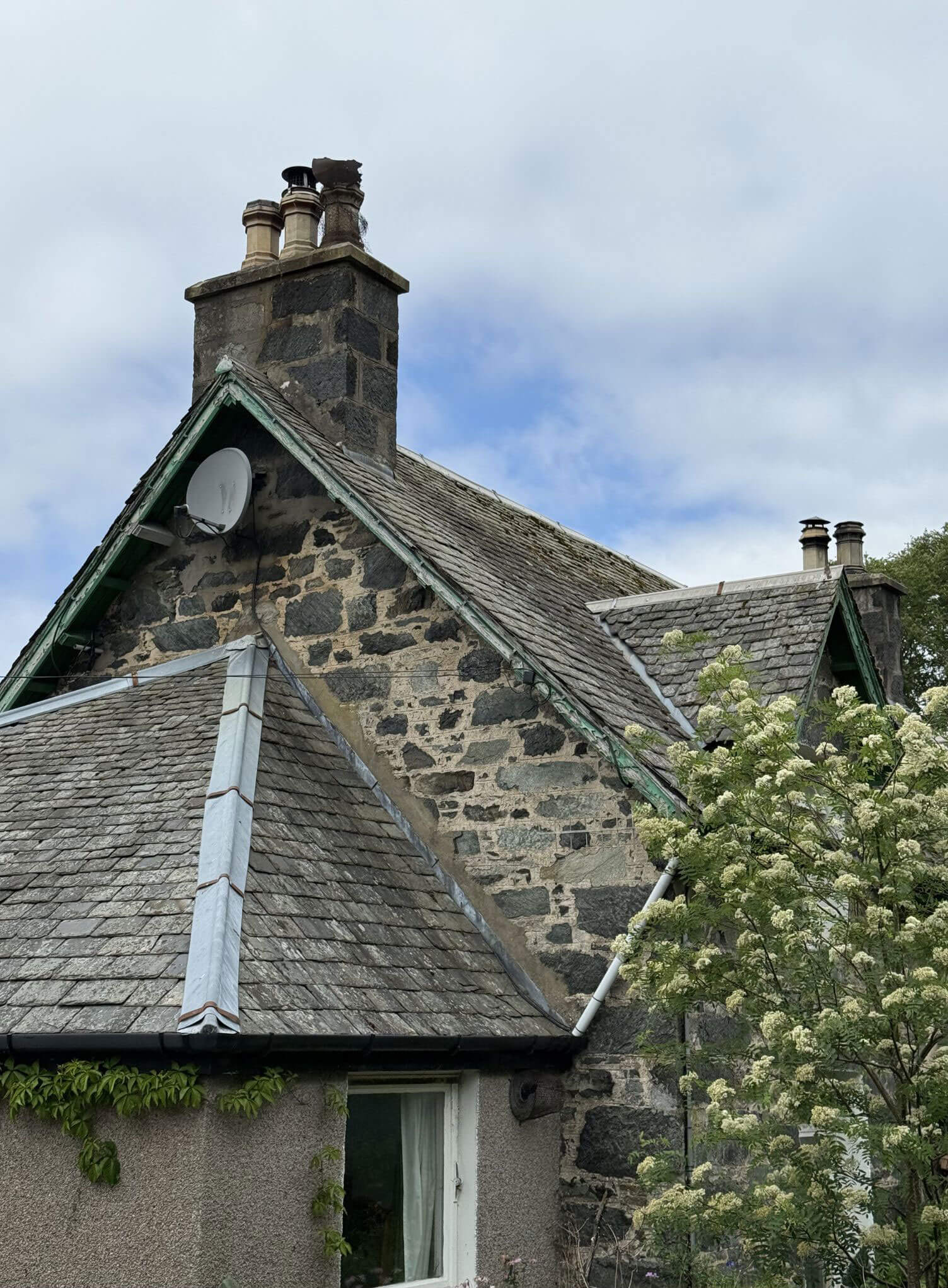
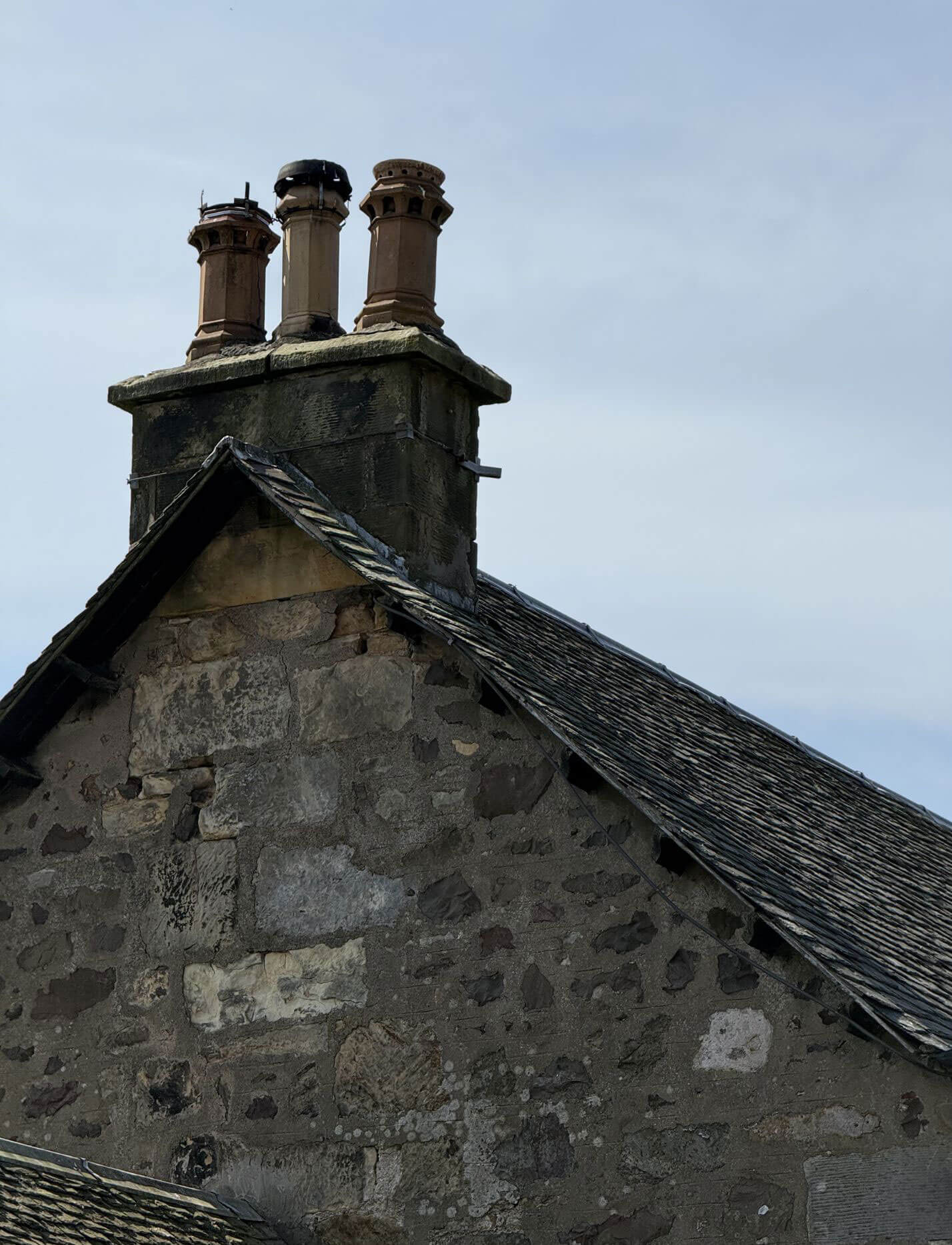
What gives these hill houses their character, more than anything, is the side wall. In Scottish building this is the gable end, the triangular end wall that rises to meet the roof, and it is almost always where the chimney stack sits, carried up through the thickest and most sheltered part of the house. On the older and grander examples you will see the crow-stepped gable, known in Scots as corbie steps, where the top of the wall climbs in a series of stone steps rather than a clean diagonal. On the simpler crofts and cottages the gable is plain, capped by a solid chimney at the peak. Either way, that end wall becomes the anchor of the whole composition, a strong vertical mass of stone that braces the low, horizontal body of the house against the weather rolling in off the hills.
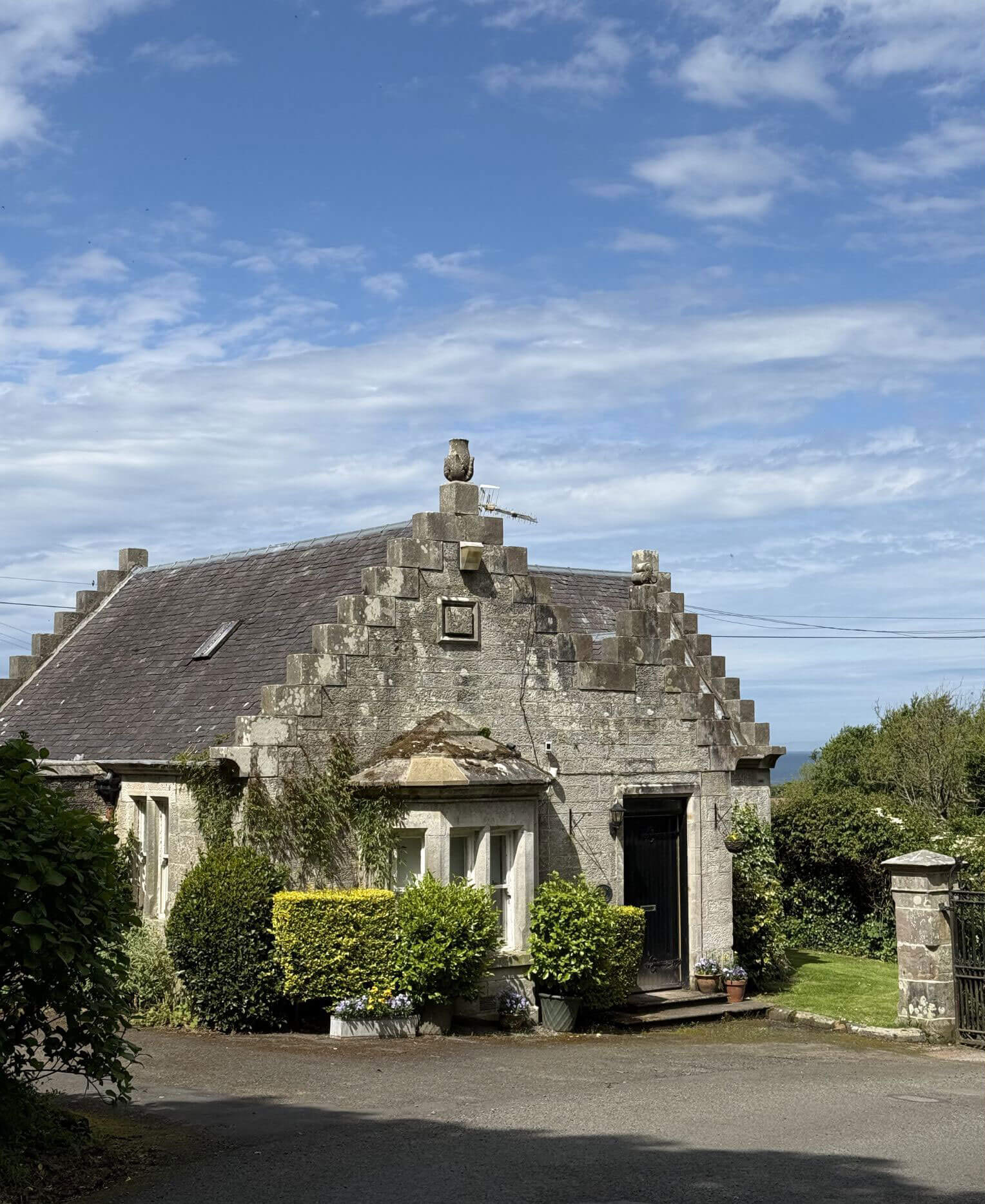
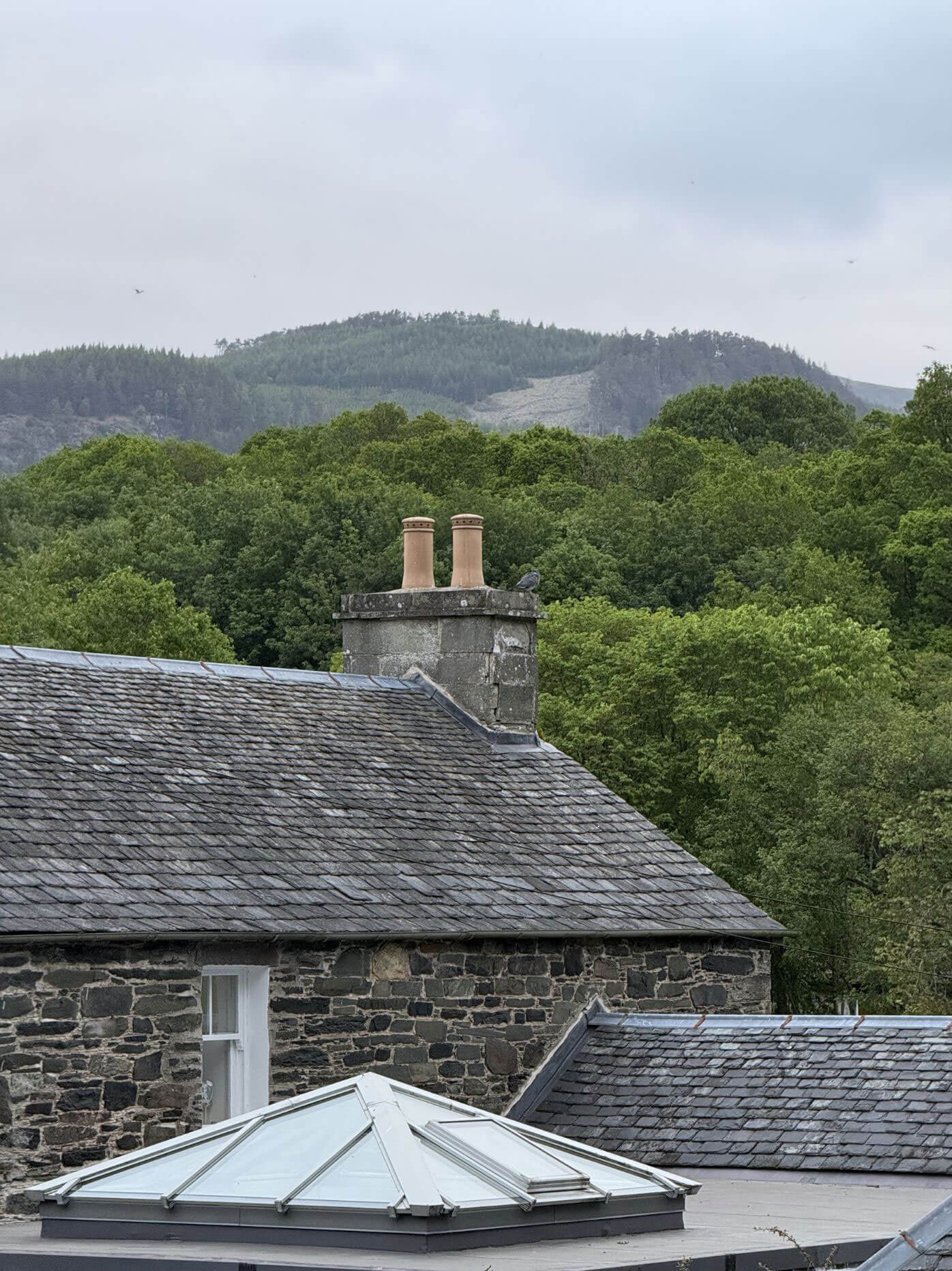
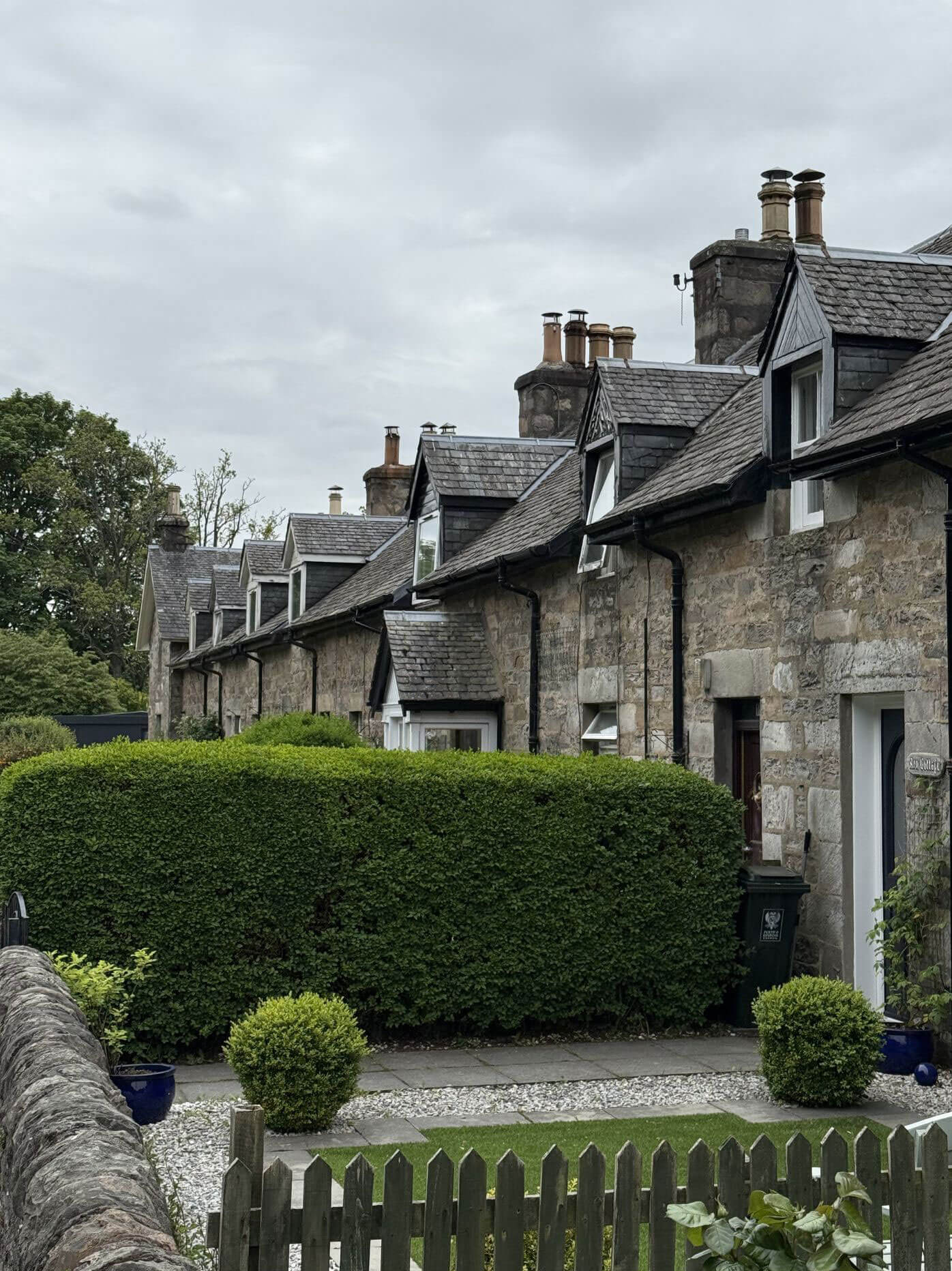
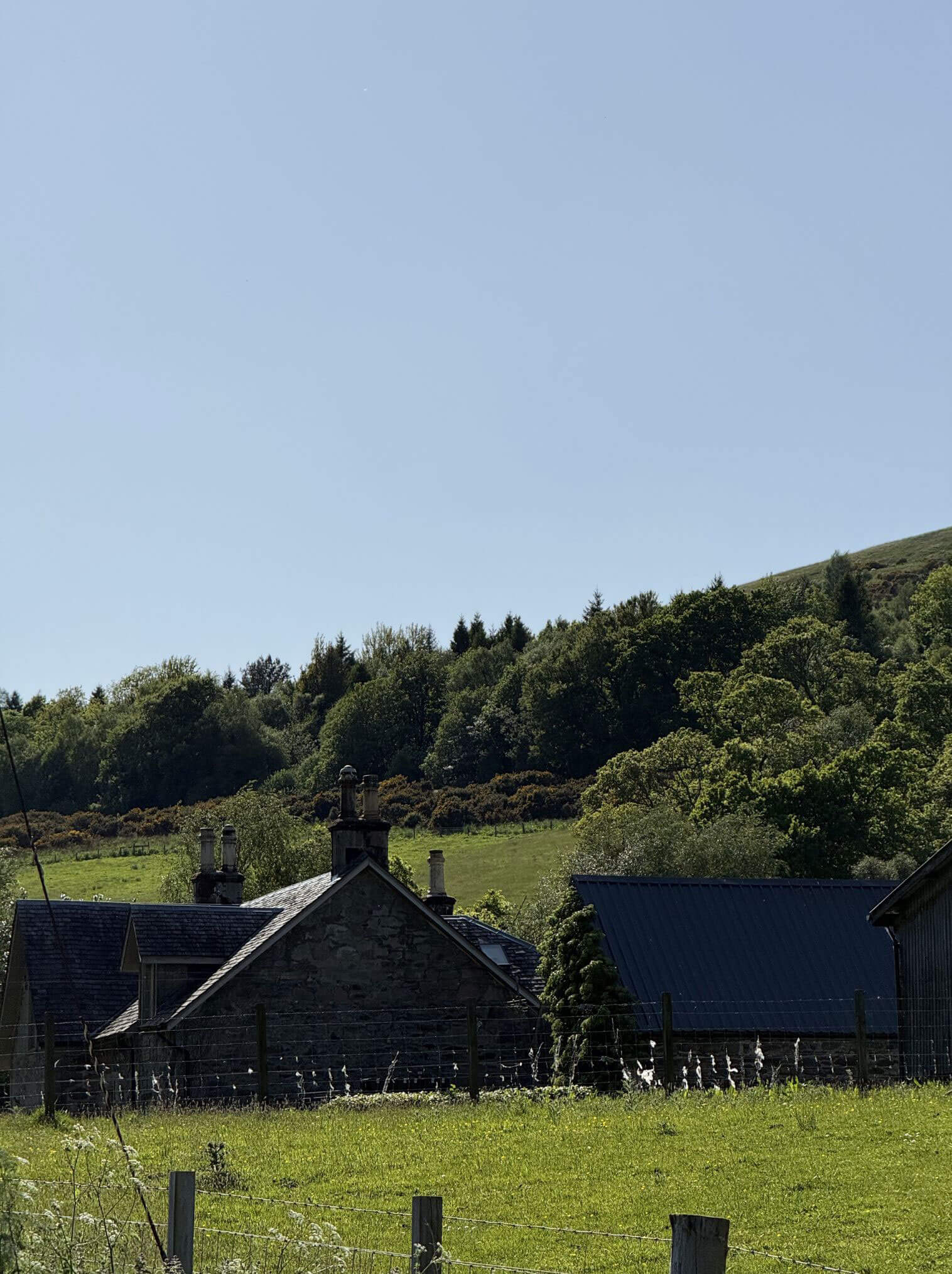
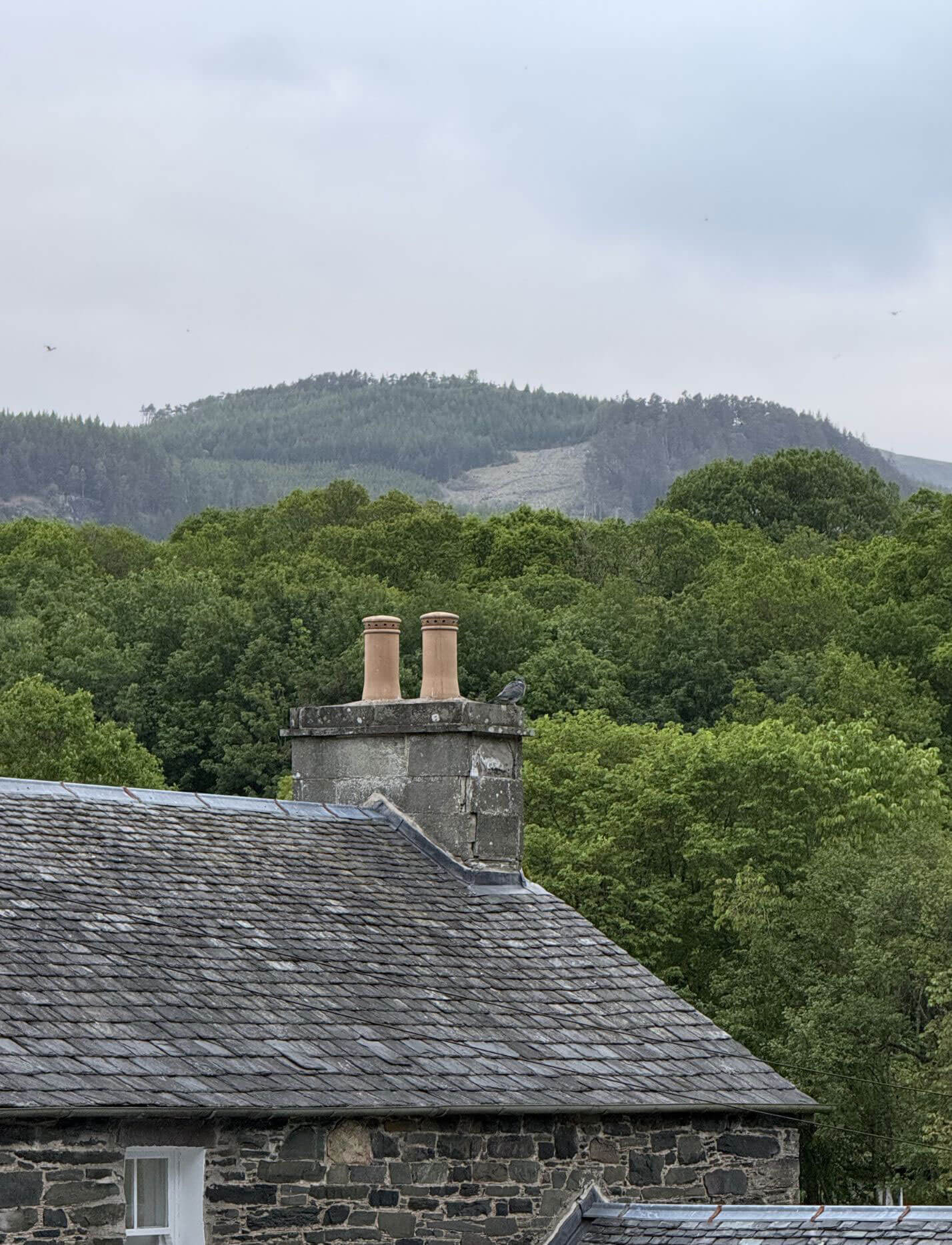
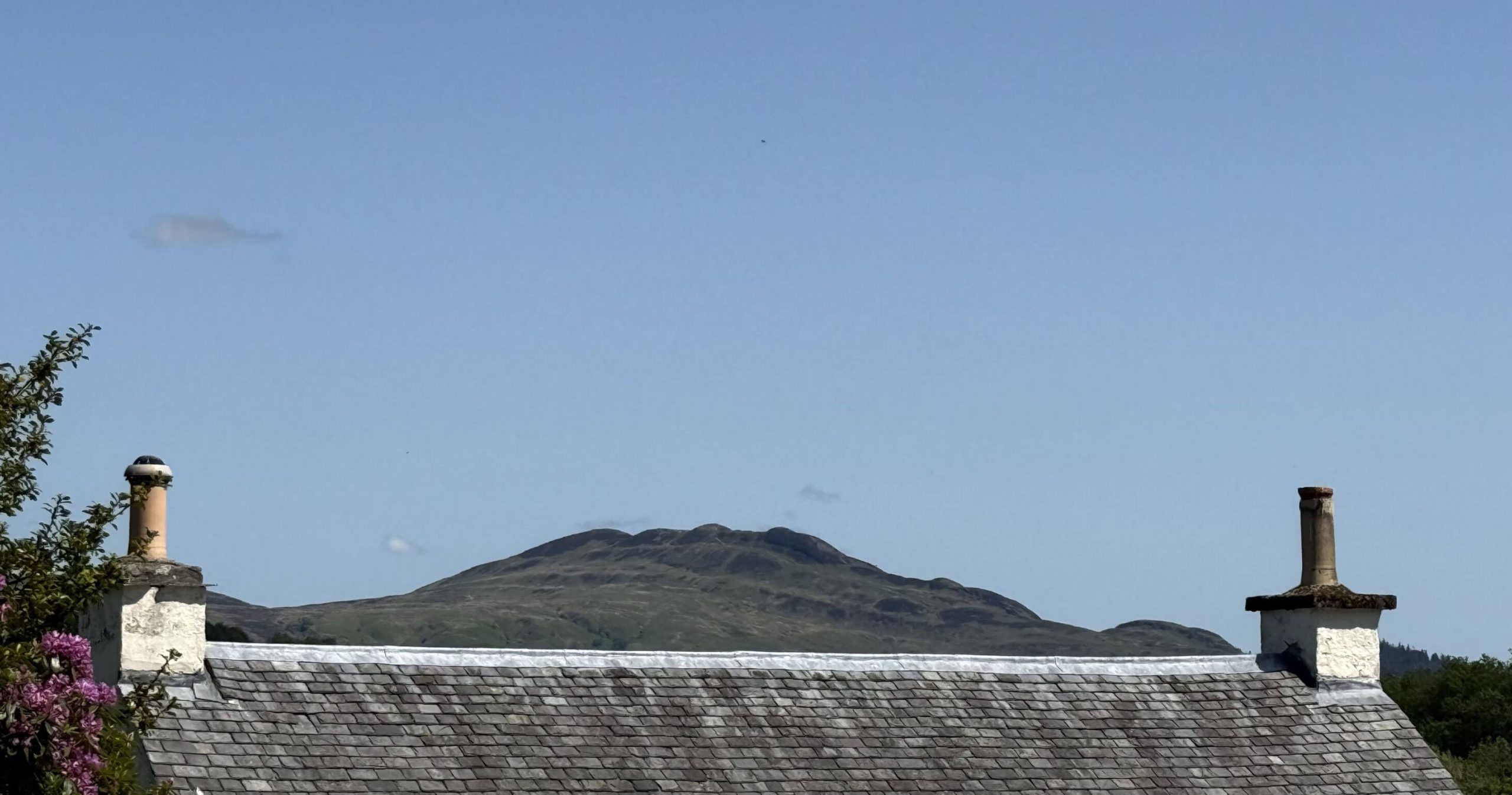
The real magic of it, though, is in the contrast. Set that heavy grey and warm brown stone against a hillside covered in Scottish heather, and the contrast is magical. The stone is rigid, rugged, and timelessly authentic, while the heather is soft, offering a beautiful pop of purple against the tree-lined hills. The stone-clad house does not compete with that landscape, instead sitting low and minuscule compared to the scale of the surroundings.
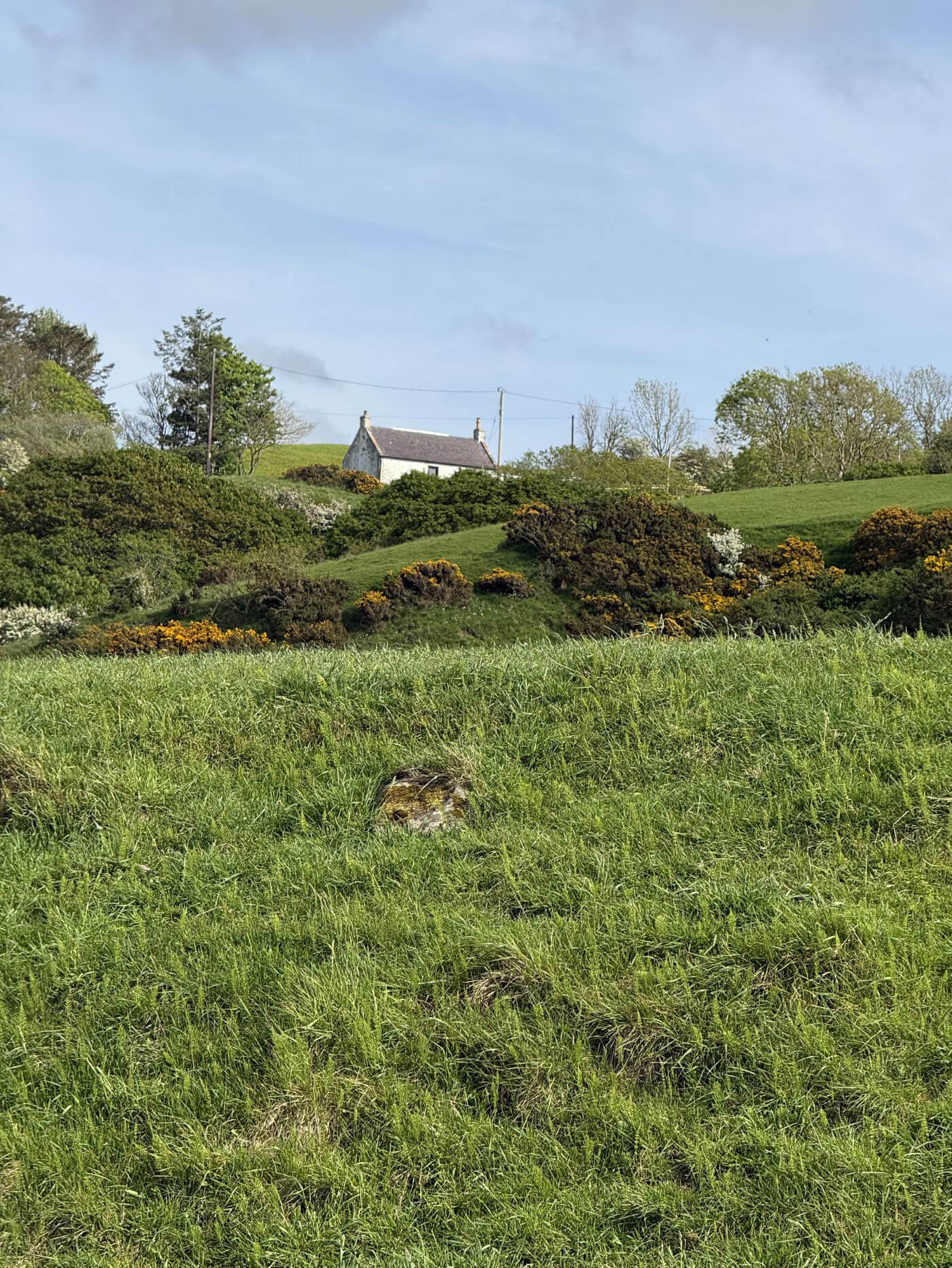
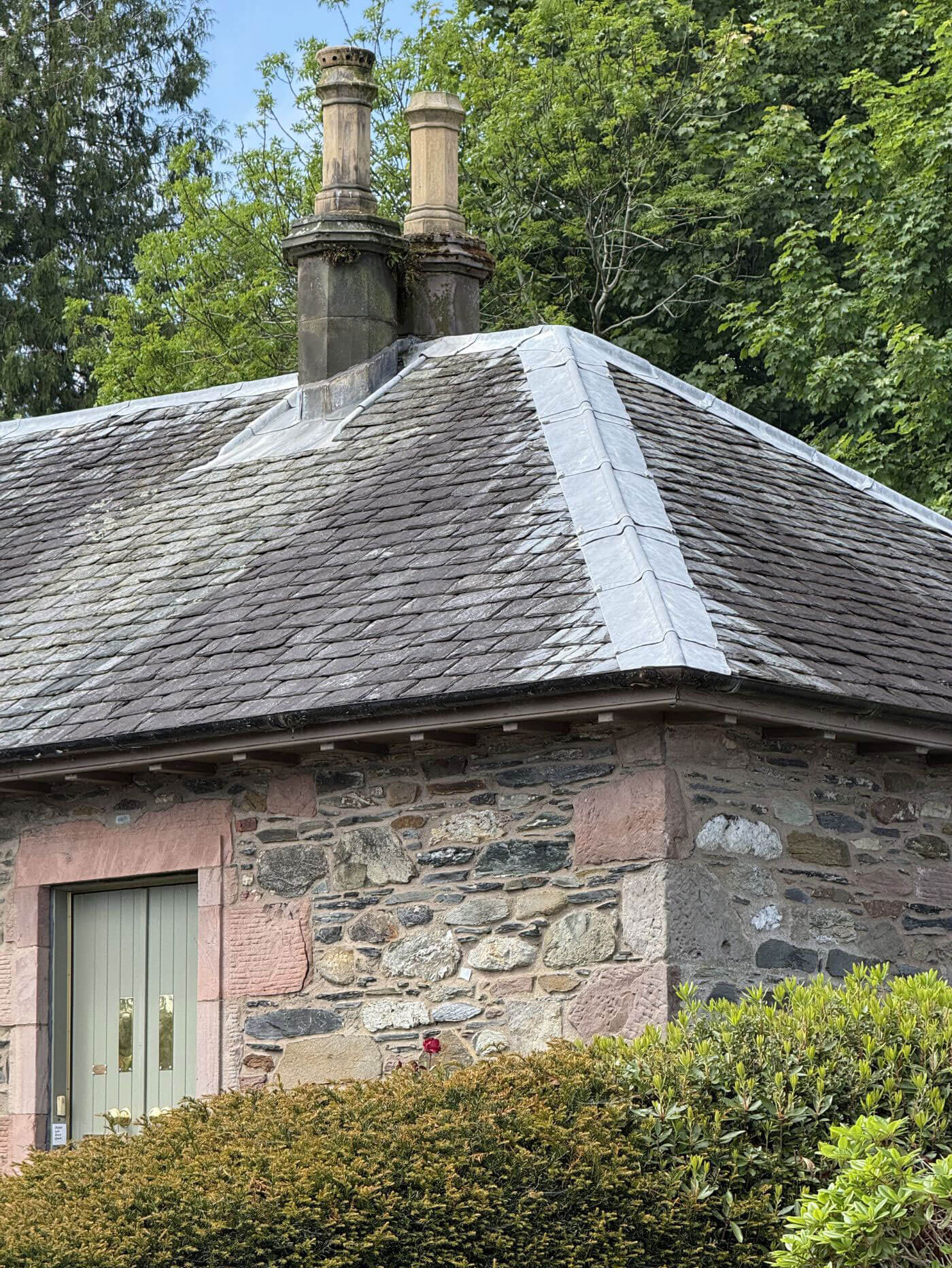
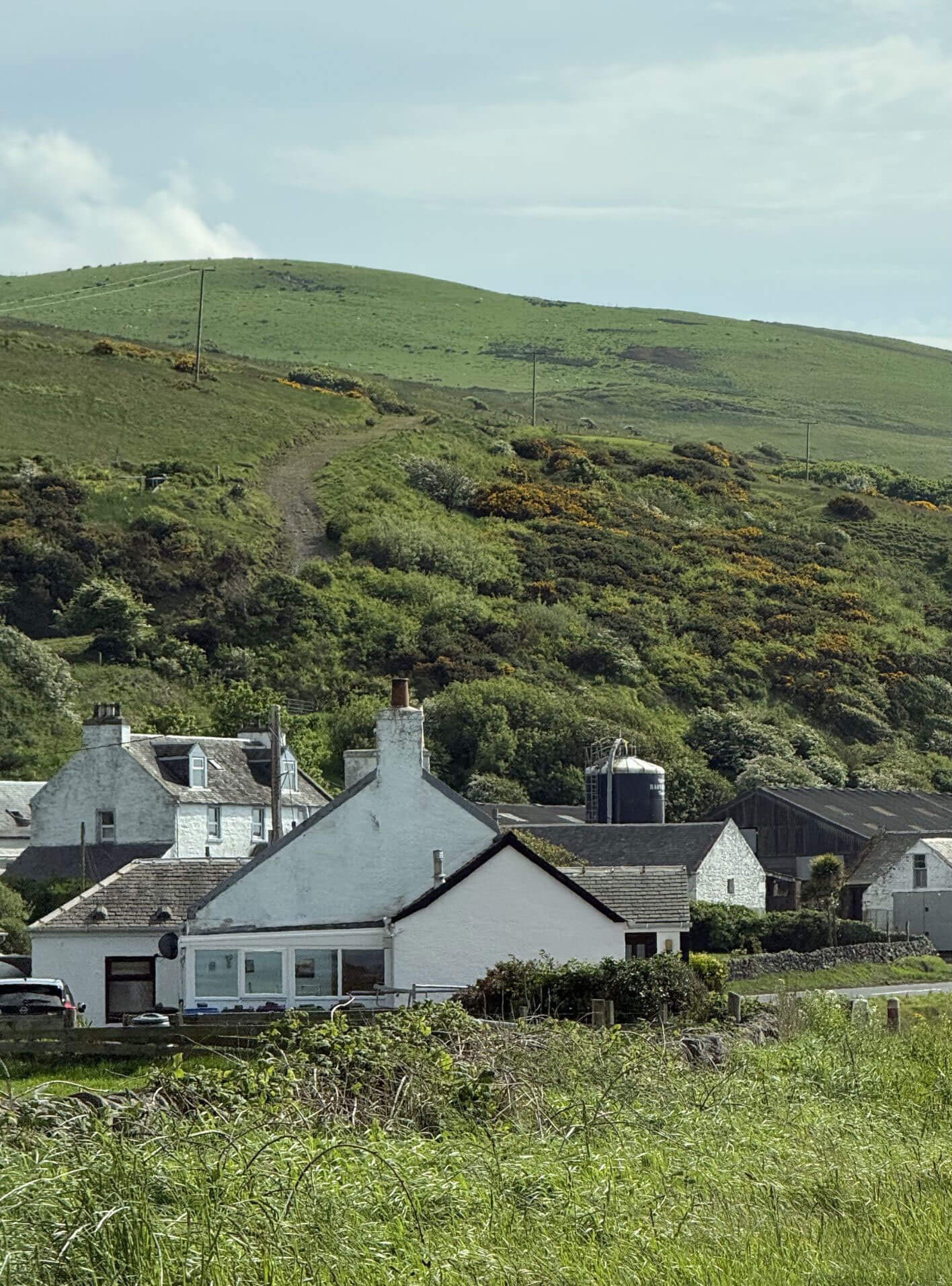
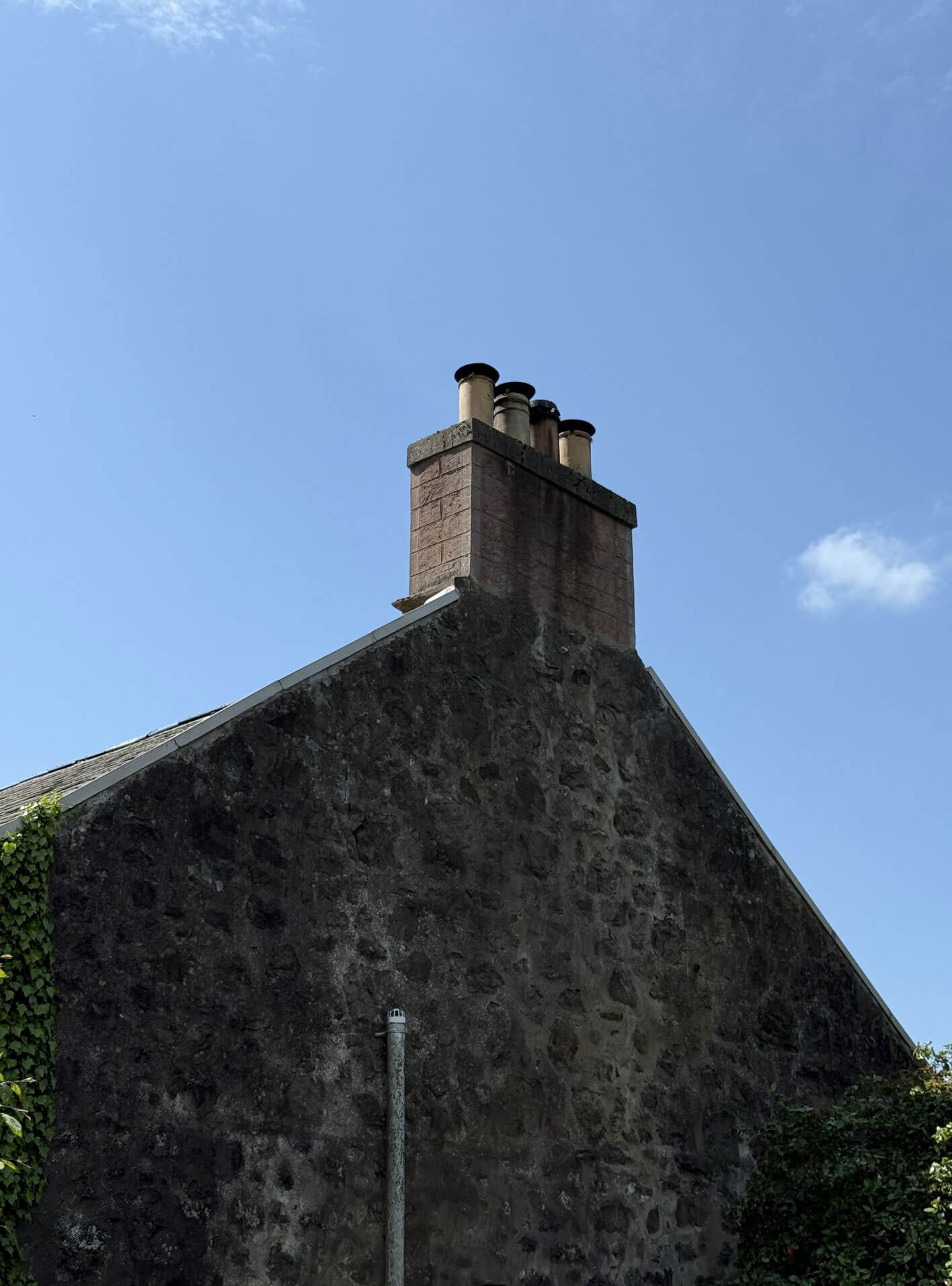
This is the part we take home with us. A hill house works not because of any one detail but because every decision was made in response to the place it belongs to, from the stone underfoot to the way the gable turns its shoulder to the wind. It is the same principle we return to again and again, that a home should feel natural in its setting, as though no other building could possibly stand there. These cottages arrived at that quality out of necessity, and there is something worth studying in how honestly they did it.
There is a reason these houses have lasted through the centuries. That, to us, is the truest kind of timeless design, and the Scottish hill house has been quietly demonstrating it on the side of a heather-covered hill for a very long time.