Facades Of Troyes
OUR TRAVELS:
FACADES OF
TROYES
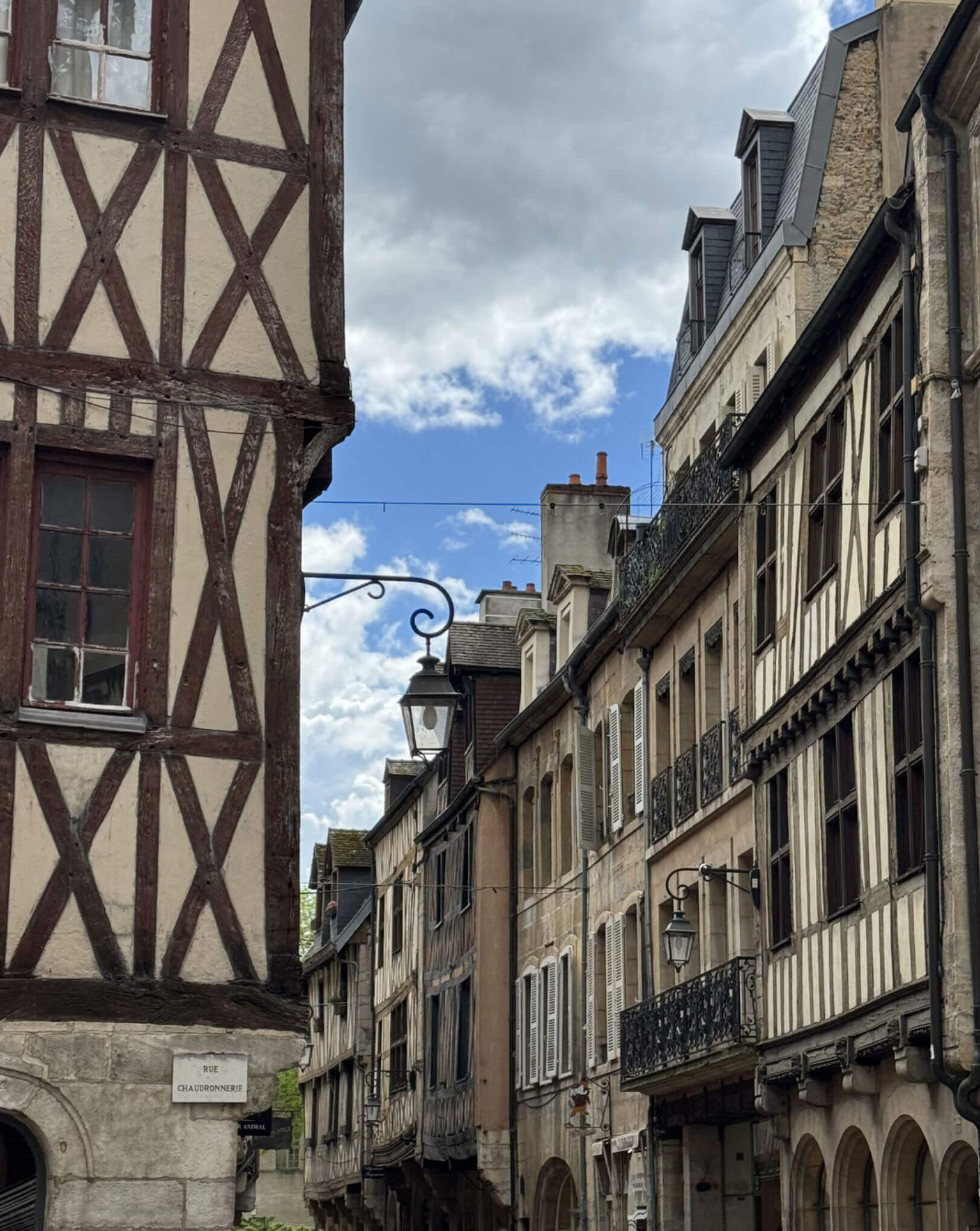
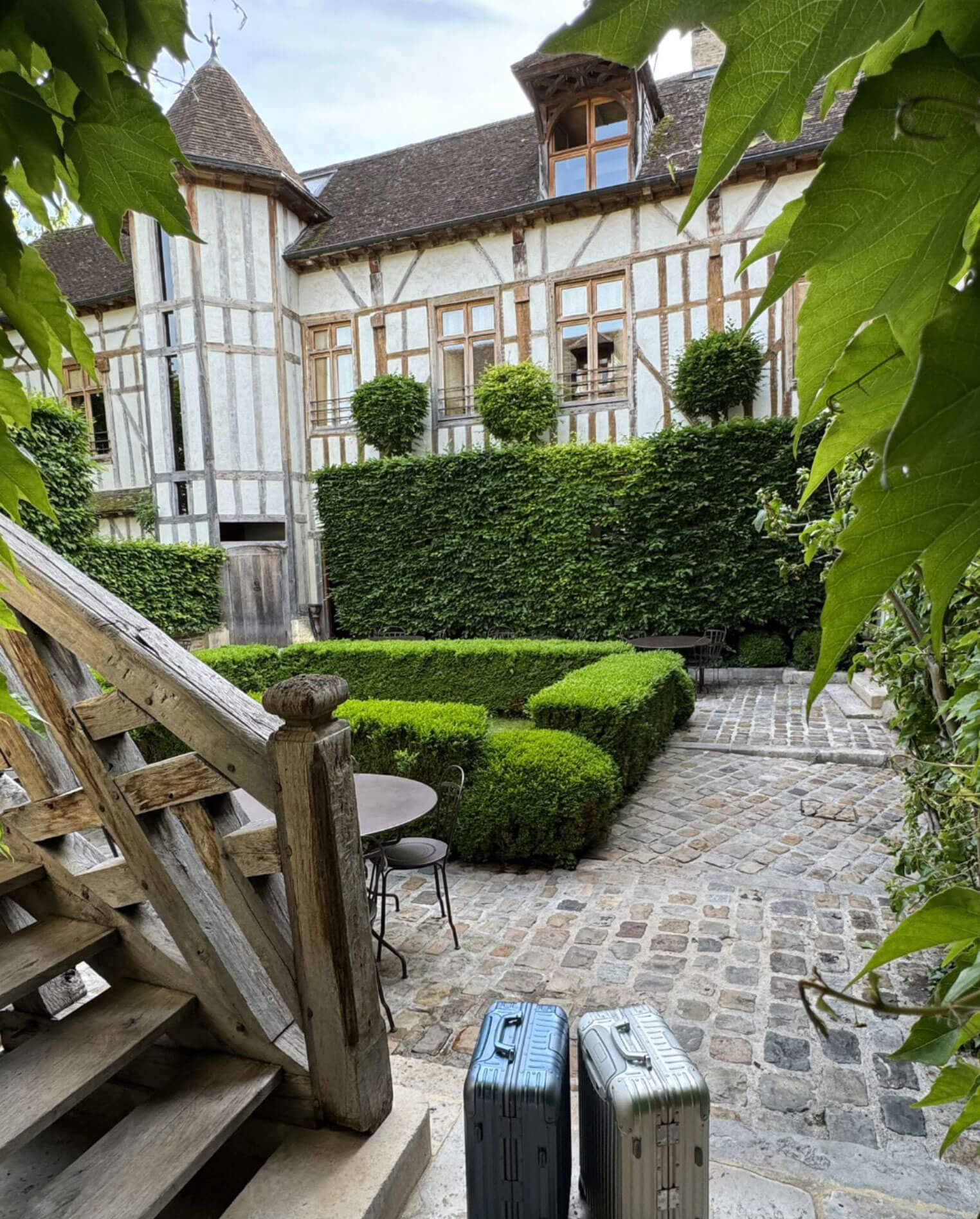
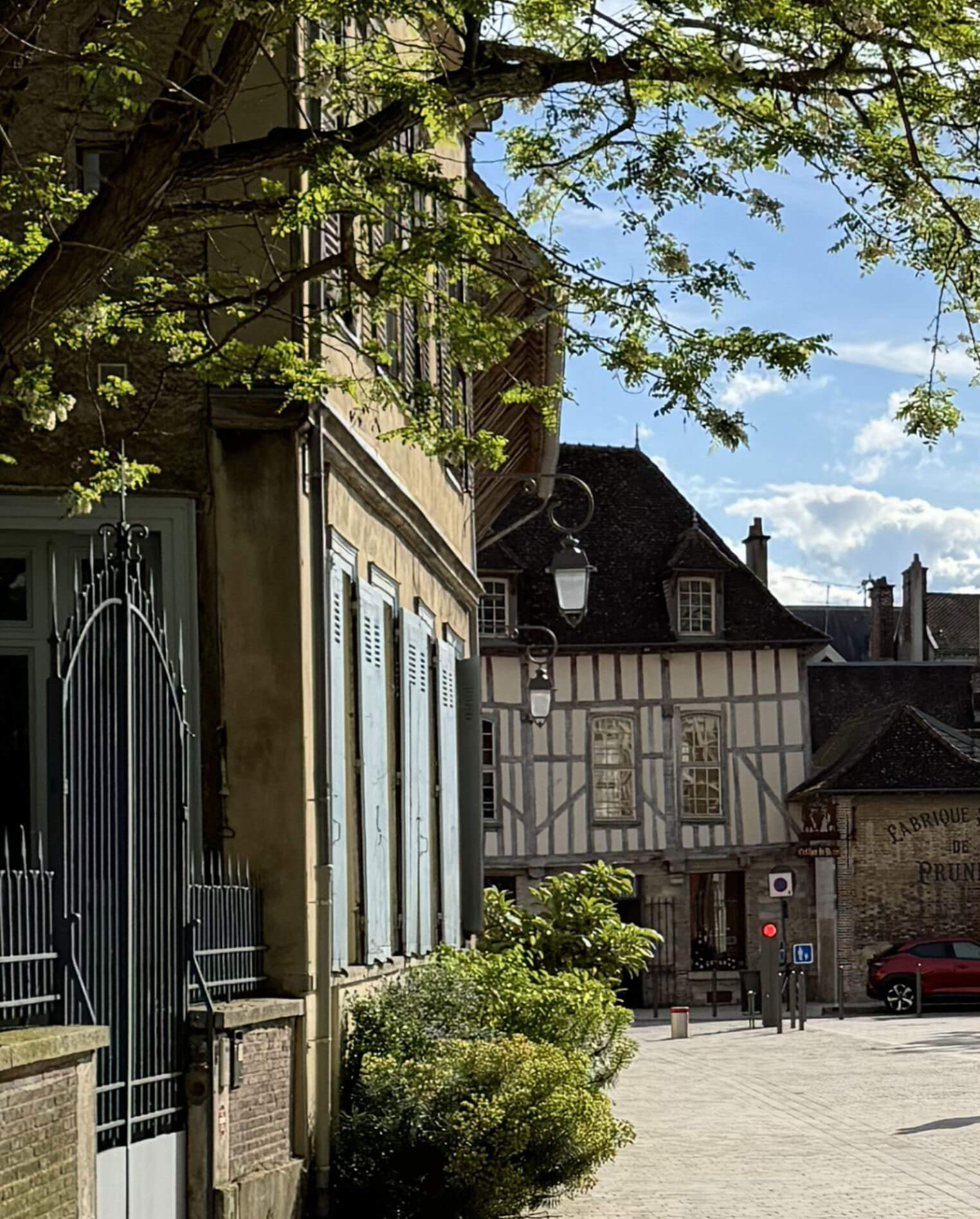
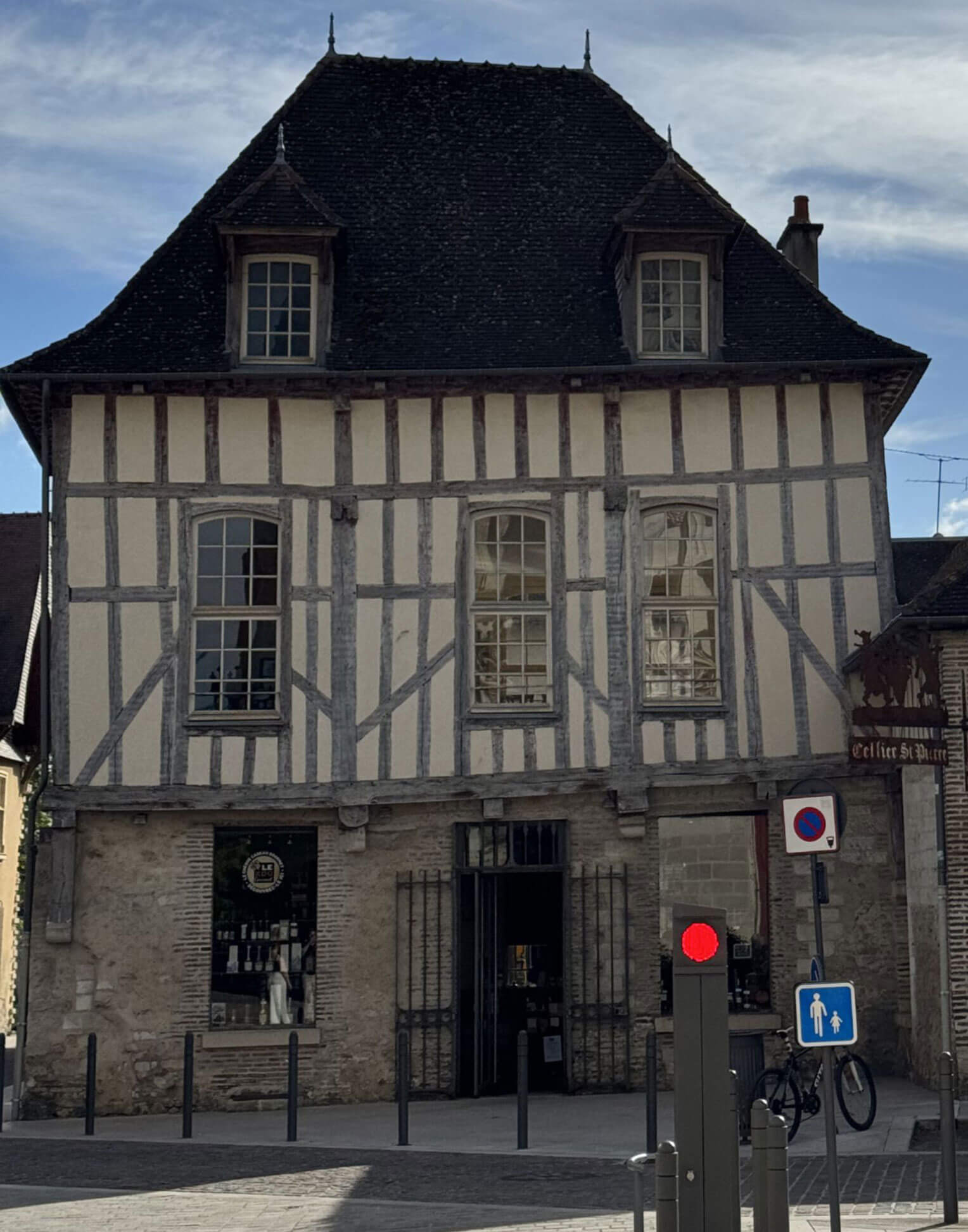
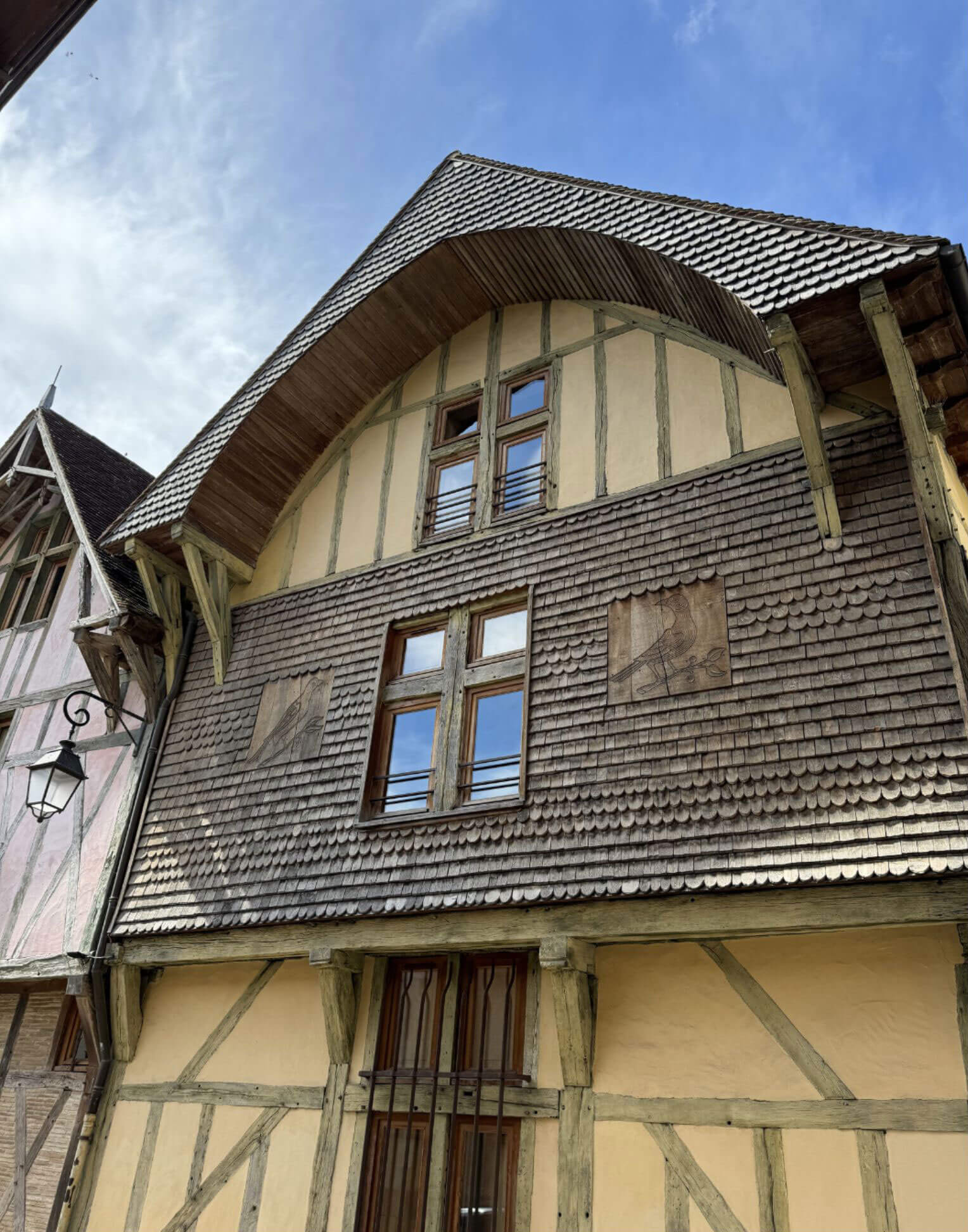
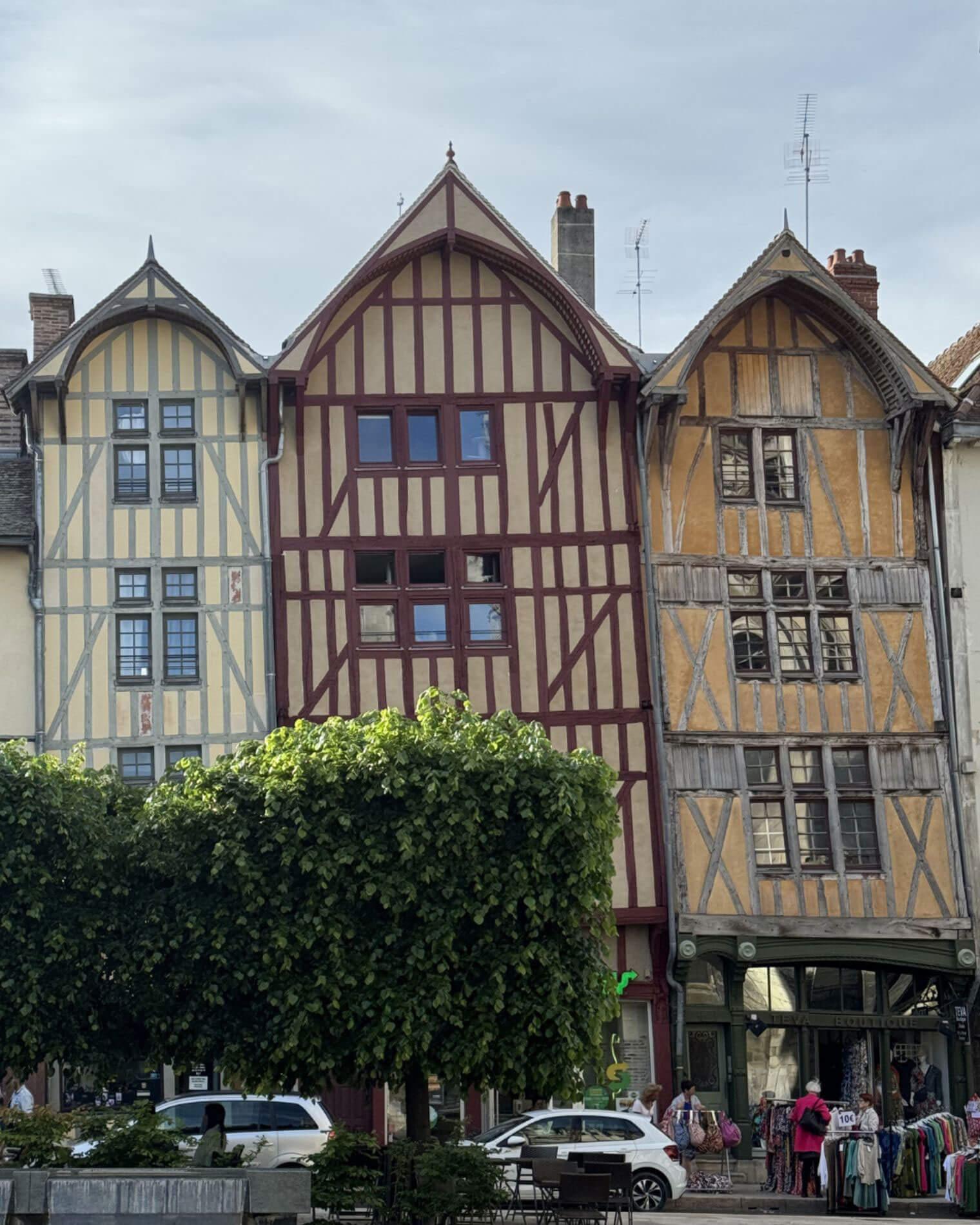
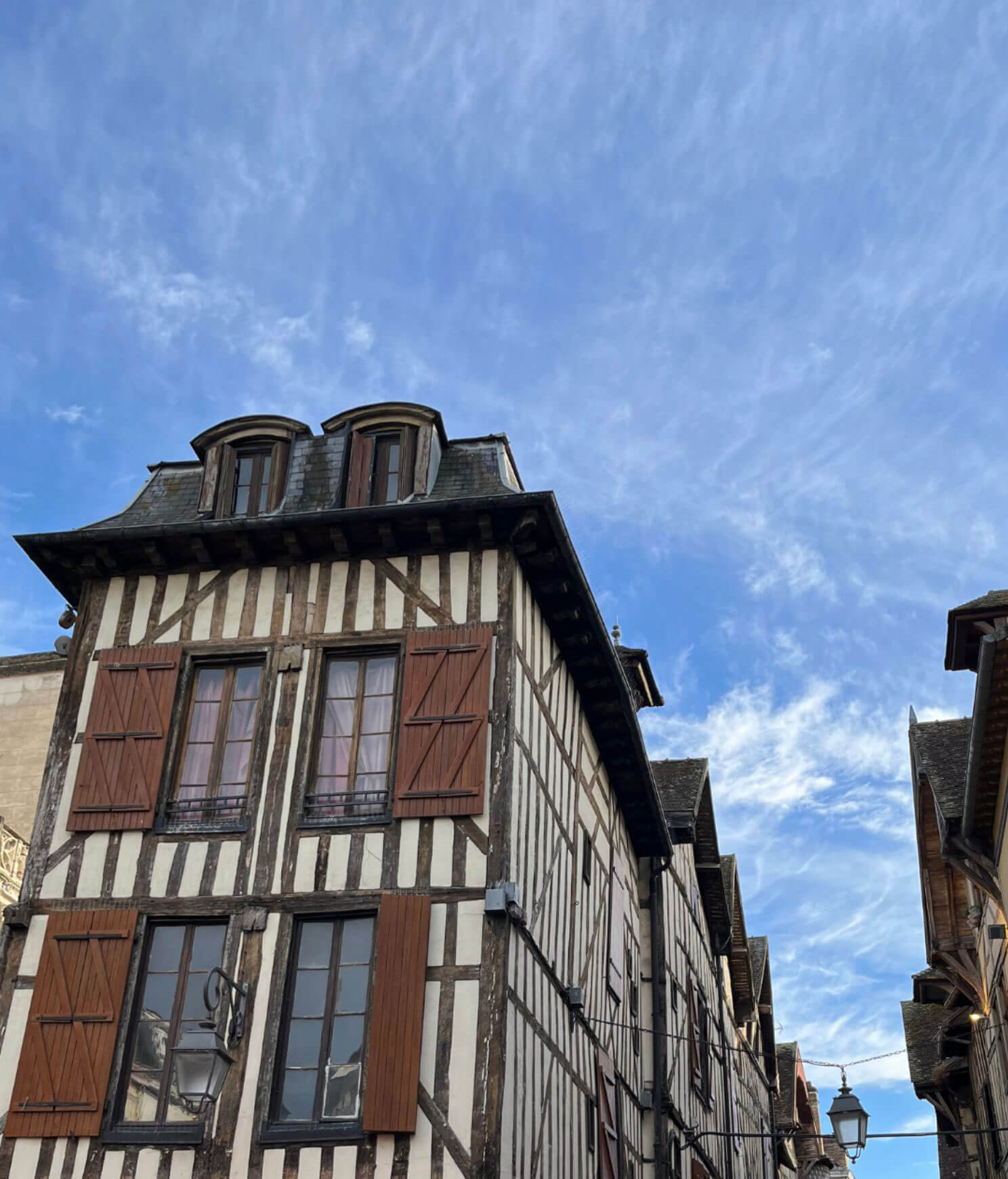
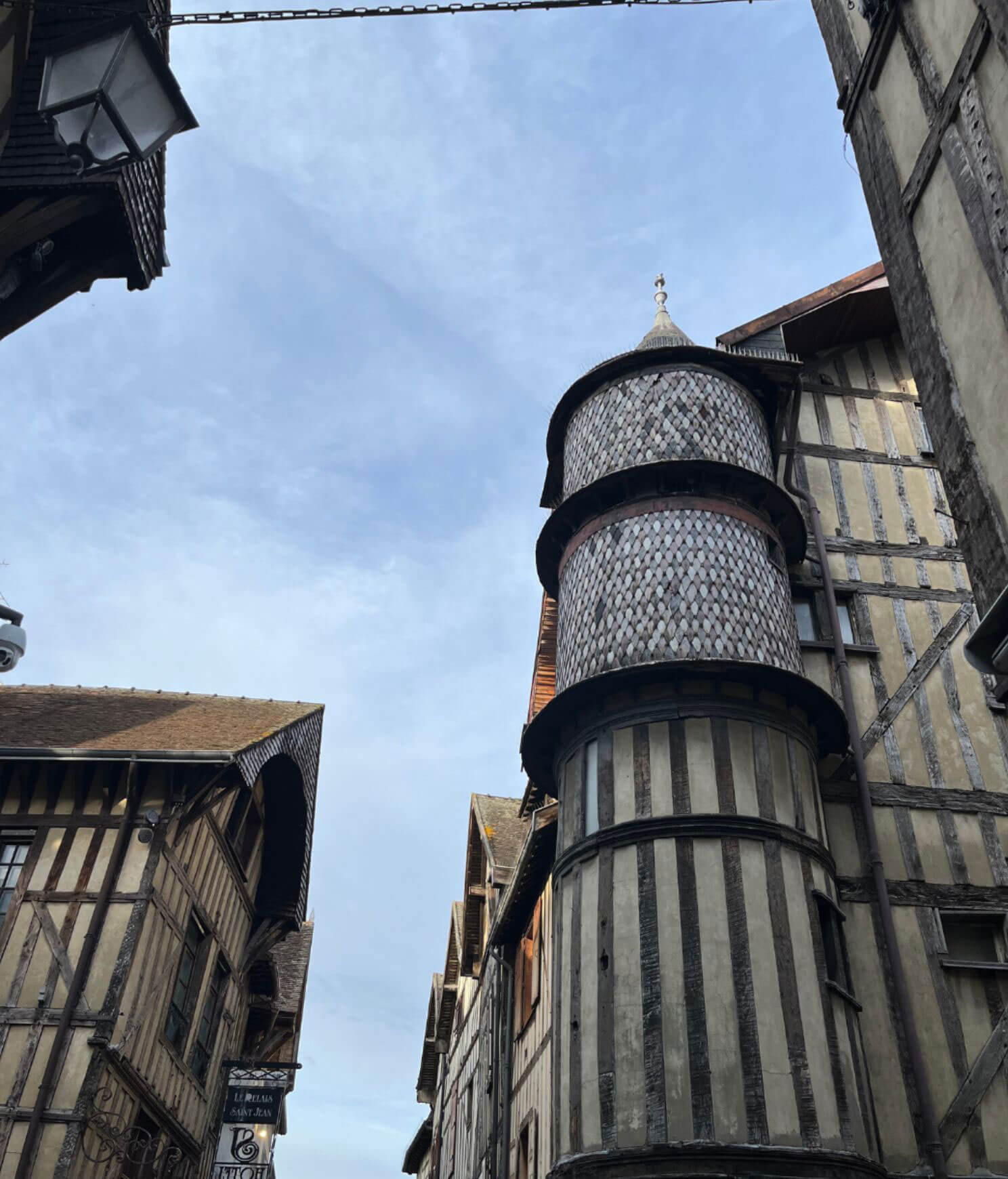
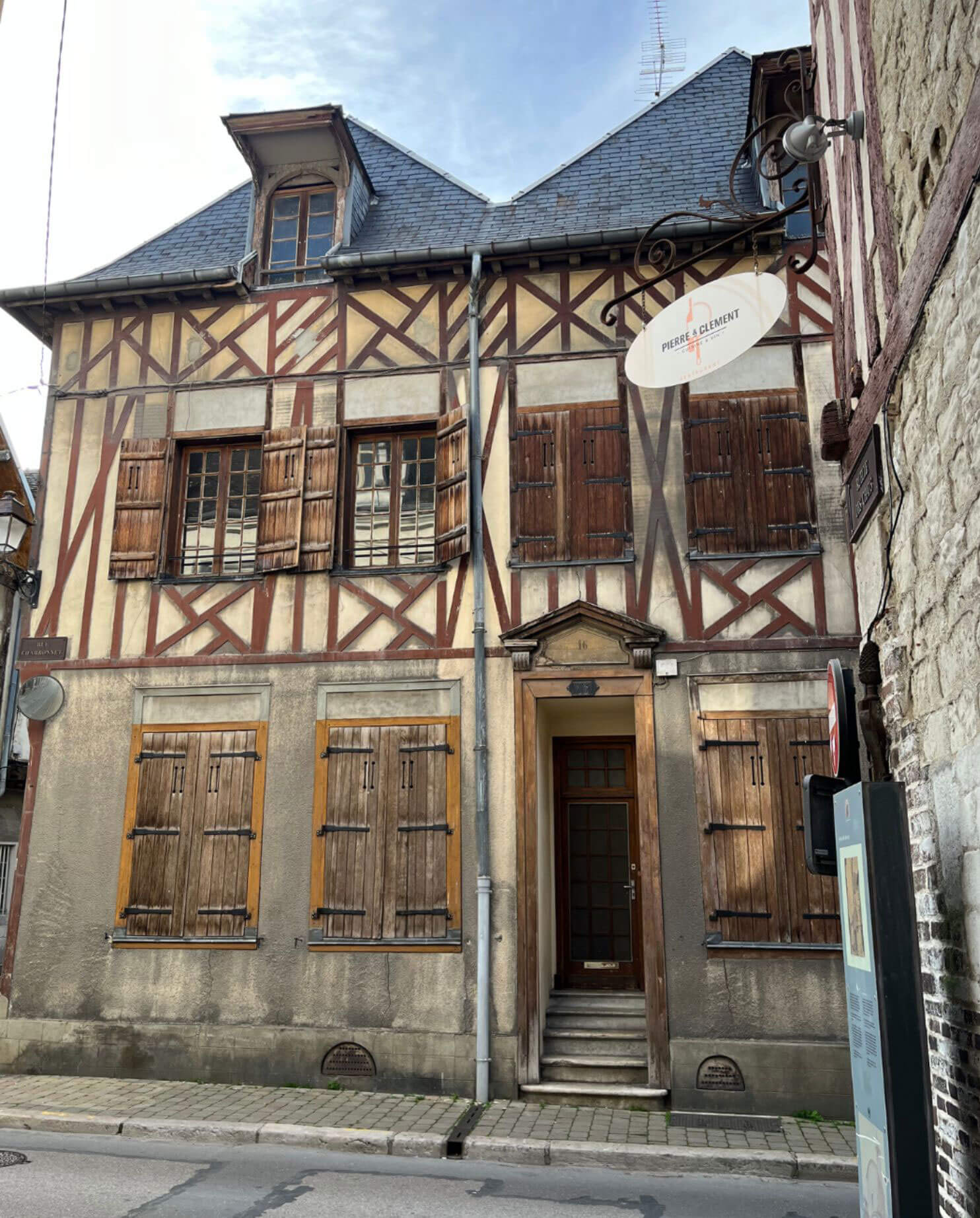
We had the chance to visit Troyes, France on the way back to Paris from our tour of Burgundy, and wanted to share one of our favourite parts of our experience in this small town; the half timbered facades. What struck us most was the sheer volume of these facades still standing in such well kept condition, especially given how much of the town's character was rebuilt in a single, concentrated push after a fire tore through it in 1524, destroying roughly a quarter of the city. In the years that followed, wealthier residents chose to rebuild in stone, while less affluent citizens rebuilt in timber, and it is this divide that gave the town's historic core the dense concentration of half timbered facades it is known for today.
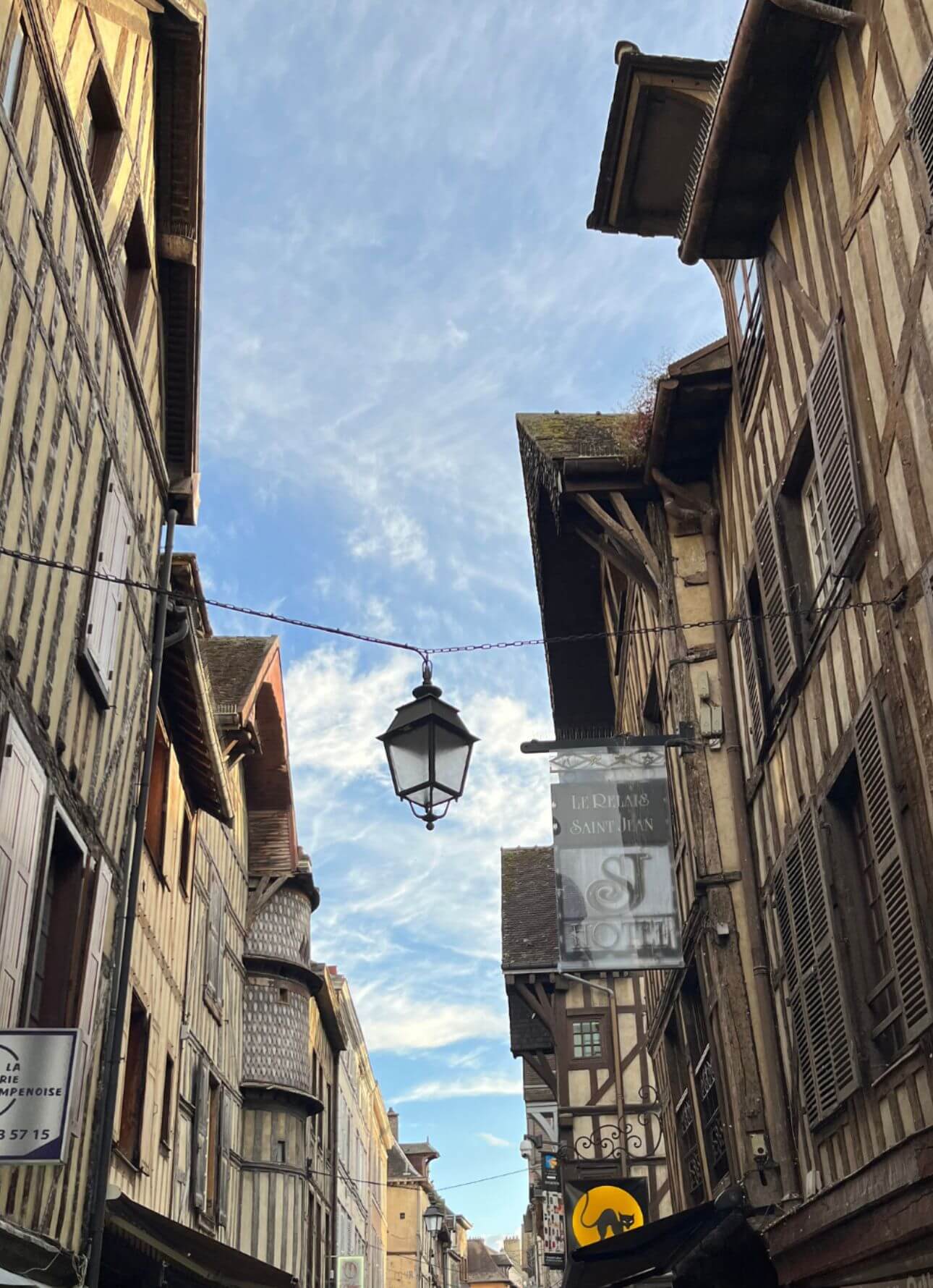
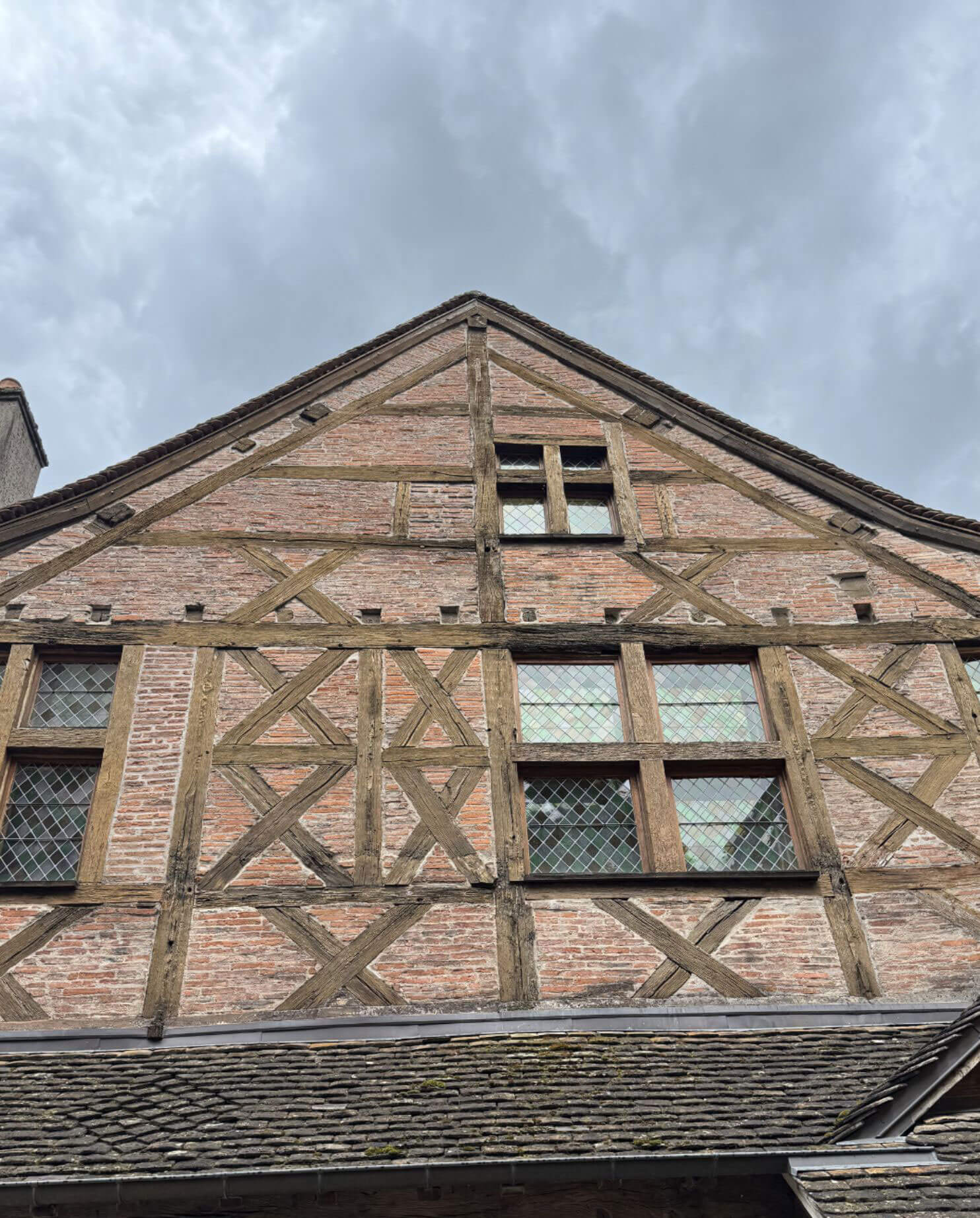
Half timbering itself, known locally as colombage, is a construction method with roots stretching back to Roman building practices, later developing independently across much of medieval Europe, including in England, where it took on the familiar dark timber and white plaster look most people associate with Tudor architecture today. The system consists of a wooden joist framework with the spaces between them filled using lath, plaster, or a clay based mixture called torchis to create a facade that could withstand the elements. It offered a distinctive, recognizable look that spread widely because it was cost effective and made efficient use of available materials, though the plaster infill was prone to weathering and required consistent upkeep to survive.
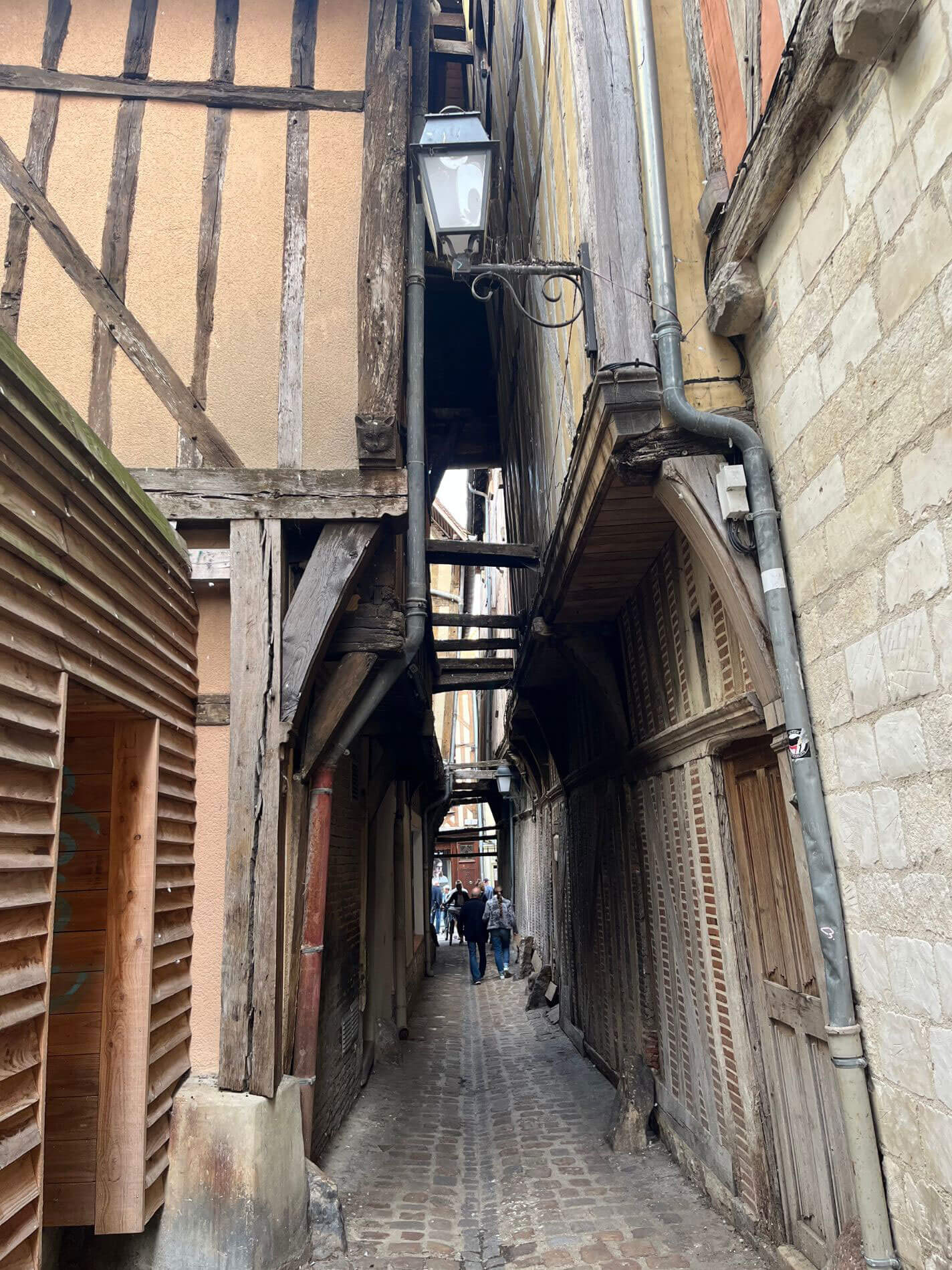
One of our favourite parts of walking the streets of Troyes was seeing La Ruelle des Chats, or Cat Alley, where the half timbered homes lean toward one another and nearly touch at the rooftops, supported at points by wooden props between the facades. This proximity is what gave the alley its name, as the gap between rooftops is narrow enough for cats to leap across, and the lane remains a hotspot for the local cat population to this day.
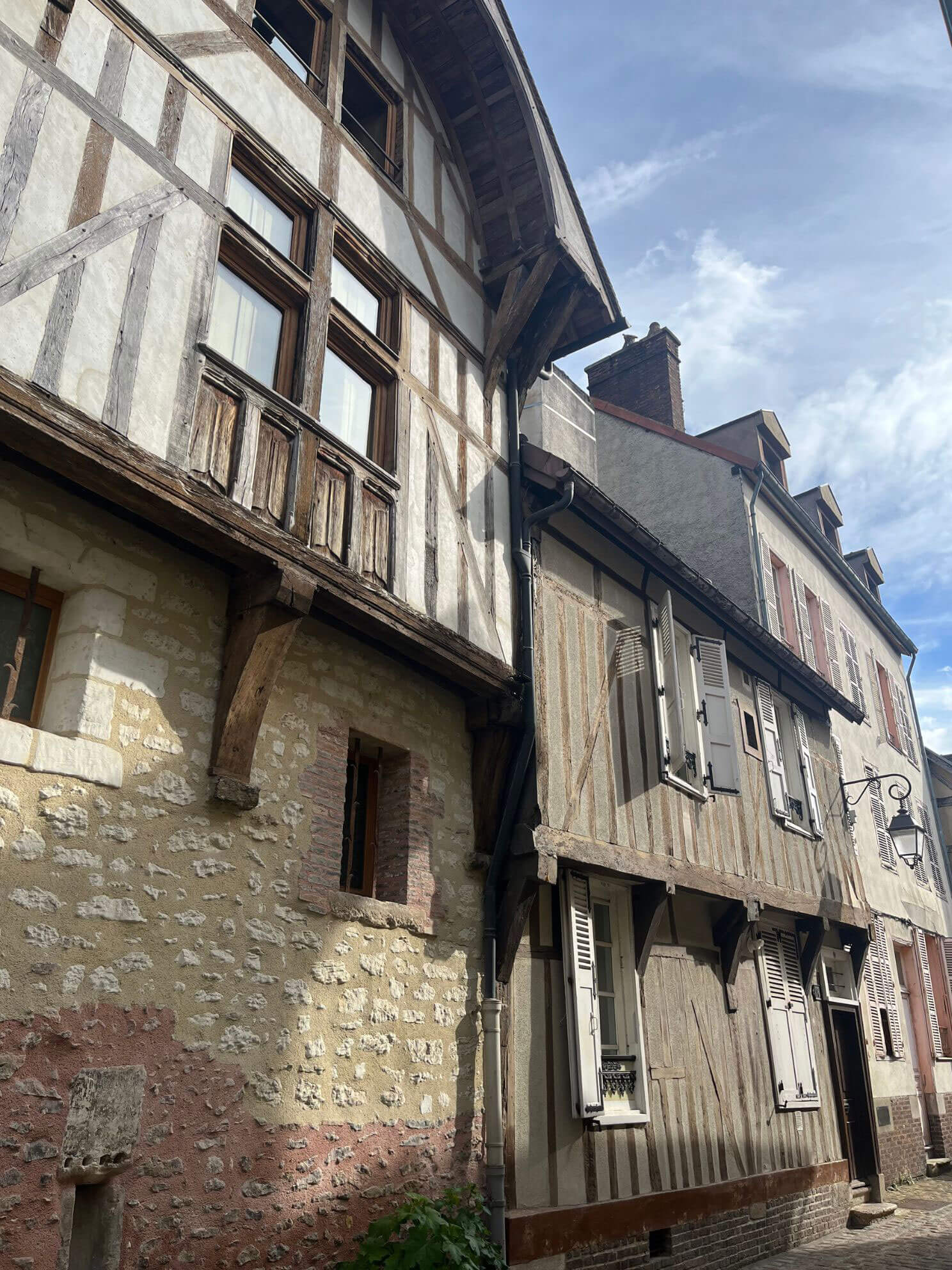
The cobblestone paving still holds its original central gutter, which once carried wastewater down the street, and in that era the more privileged residents kept close to the walls and away from that channel to avoid soiling their shoes. It is in fact where the French expression tenir le haut du pavé comes from, meaning to walk on the higher, cleaner part of the street, still used today to describe someone who holds a position of prestige.
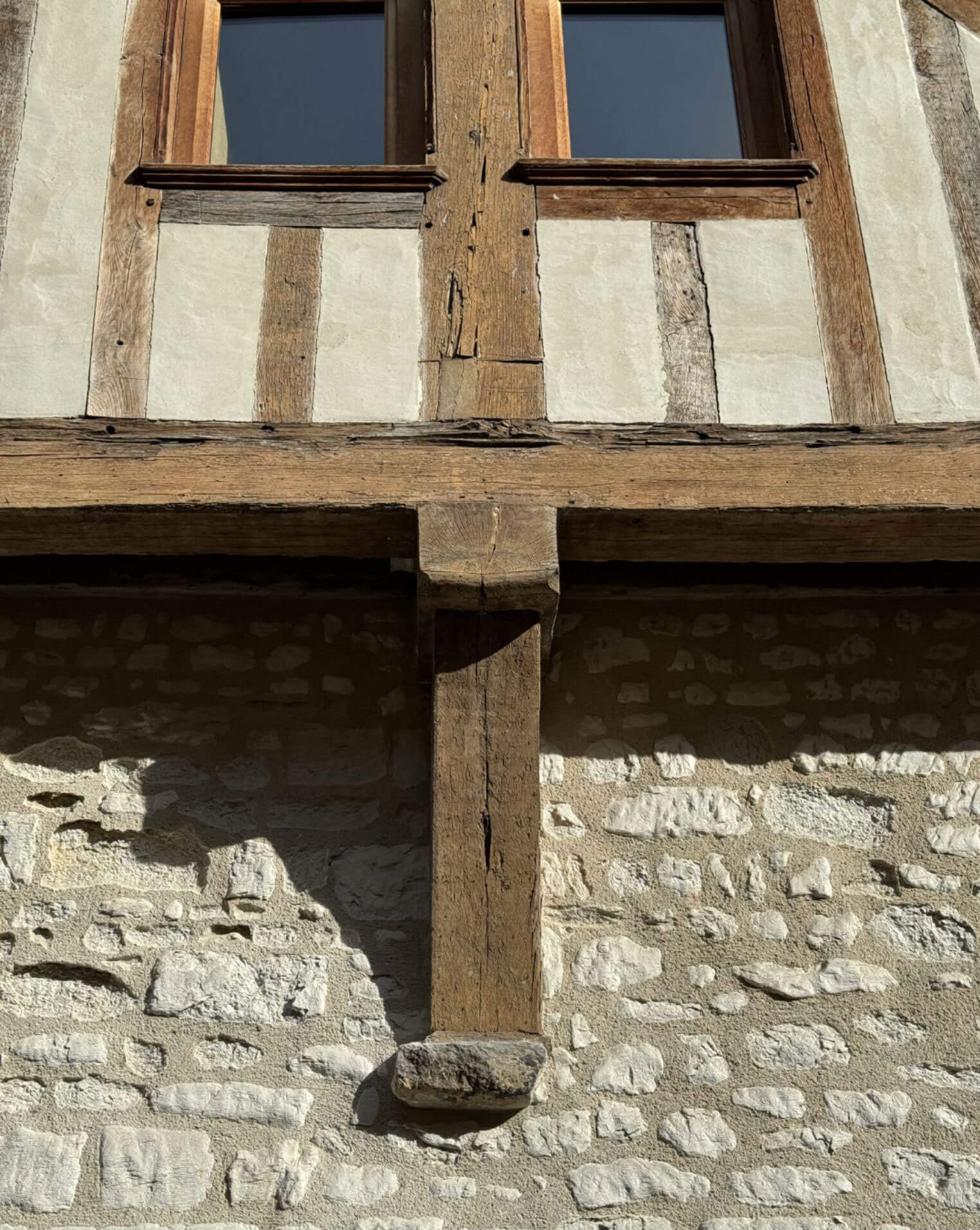
What makes Troyes such a compelling study for Jesse is not simply the age of these facades, but the discipline behind their preservation. A construction method this vulnerable to weather and decay does not survive by accident. It survives because generations of owners chose to maintain rather than replace, treating the timber framework as something worth the ongoing cost of upkeep rather than a liability to be covered over, which is exactly the kind of long-term stewardship Jesse considers when advising clients on material choices meant to outlast a single generation.