Whatley Manor
OUR VISIT TO:
WHATLEY
MANOR
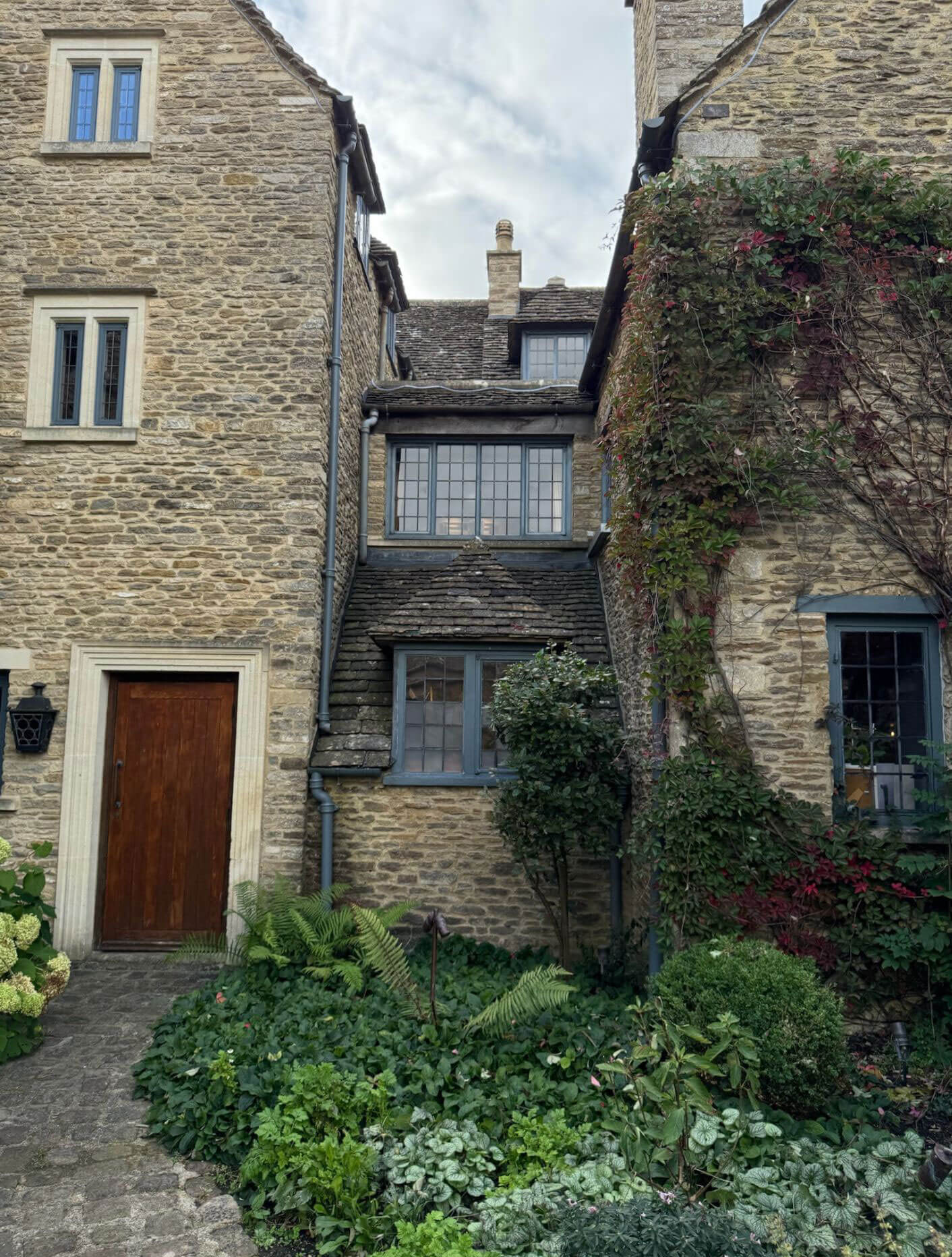
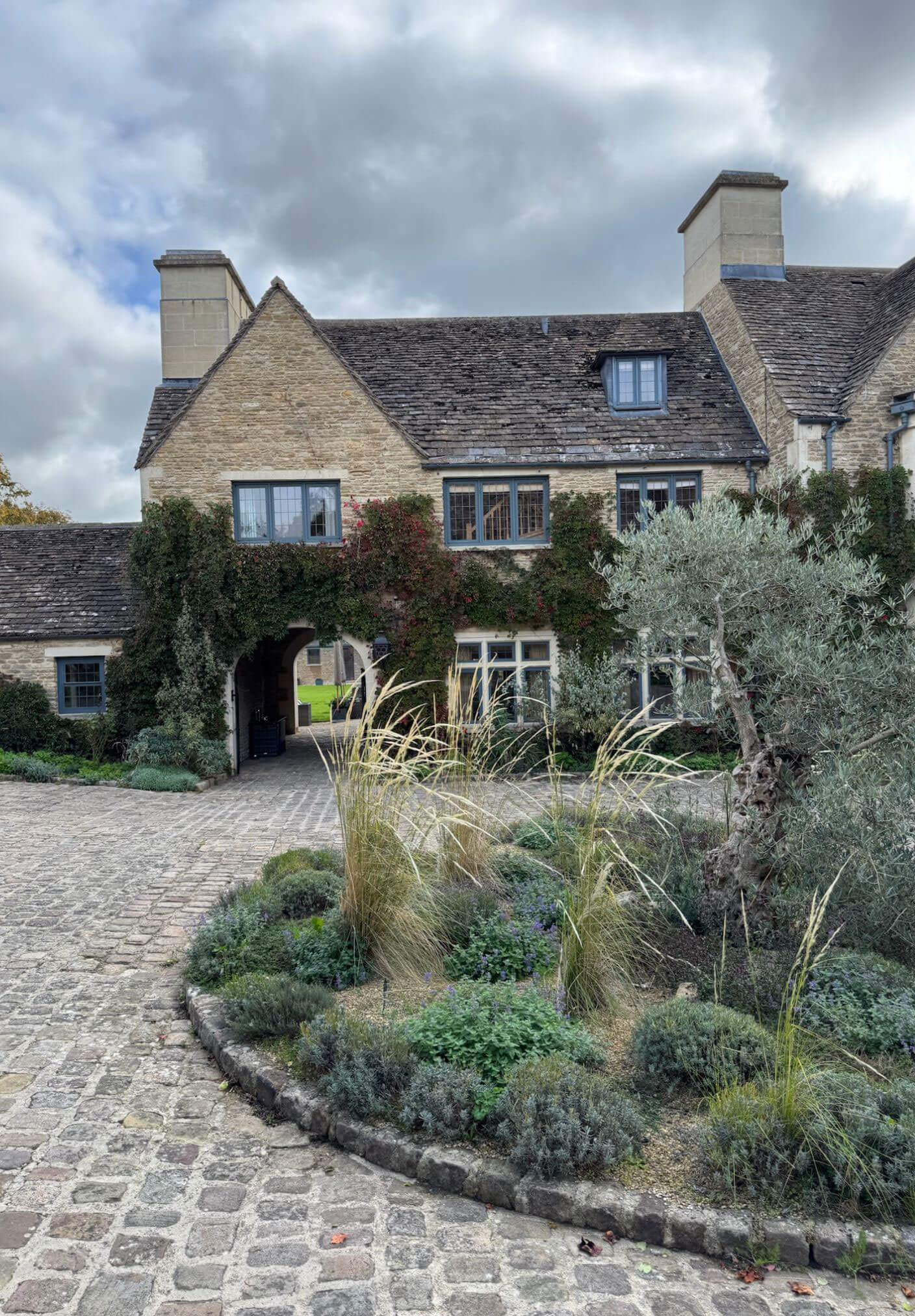
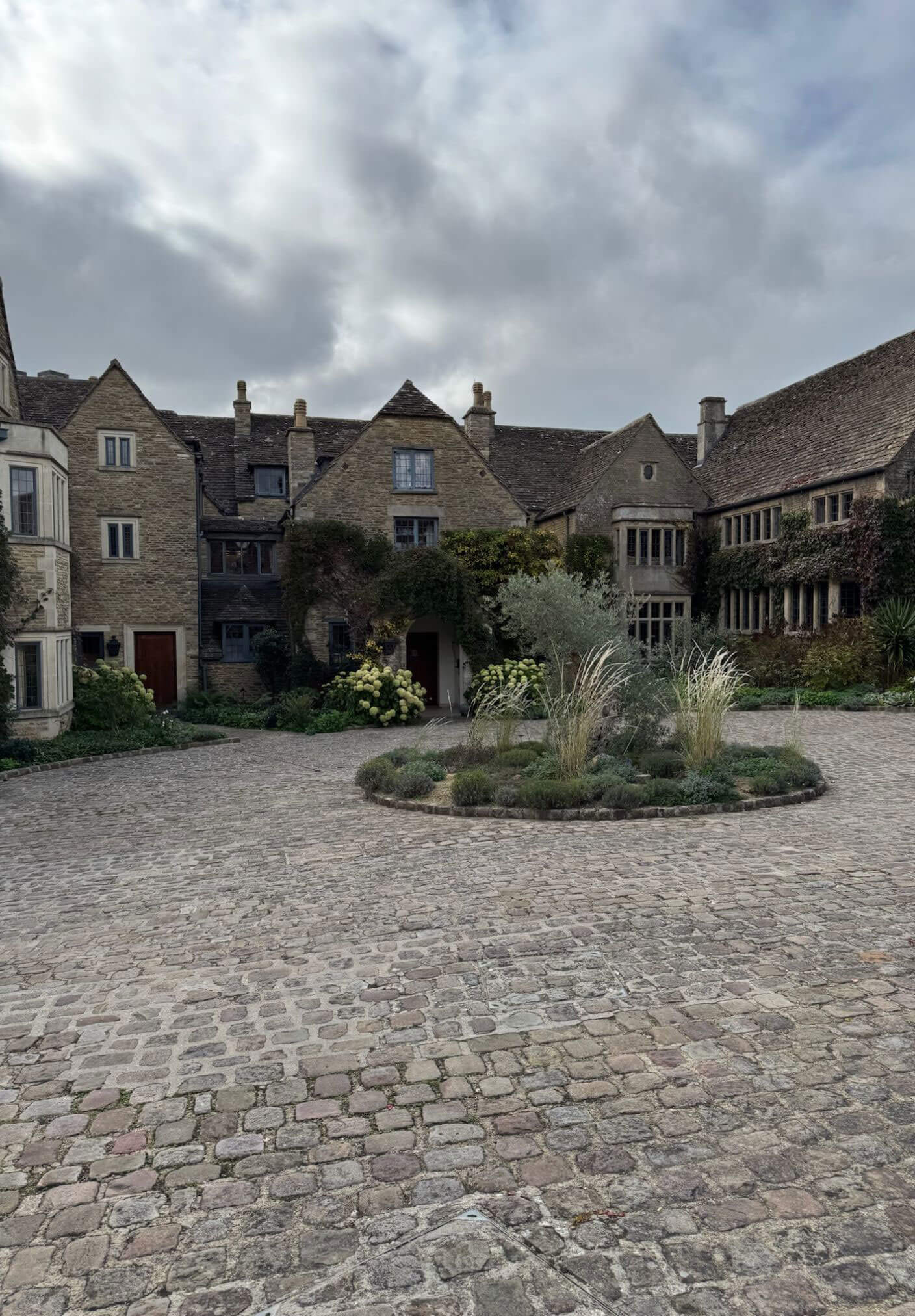
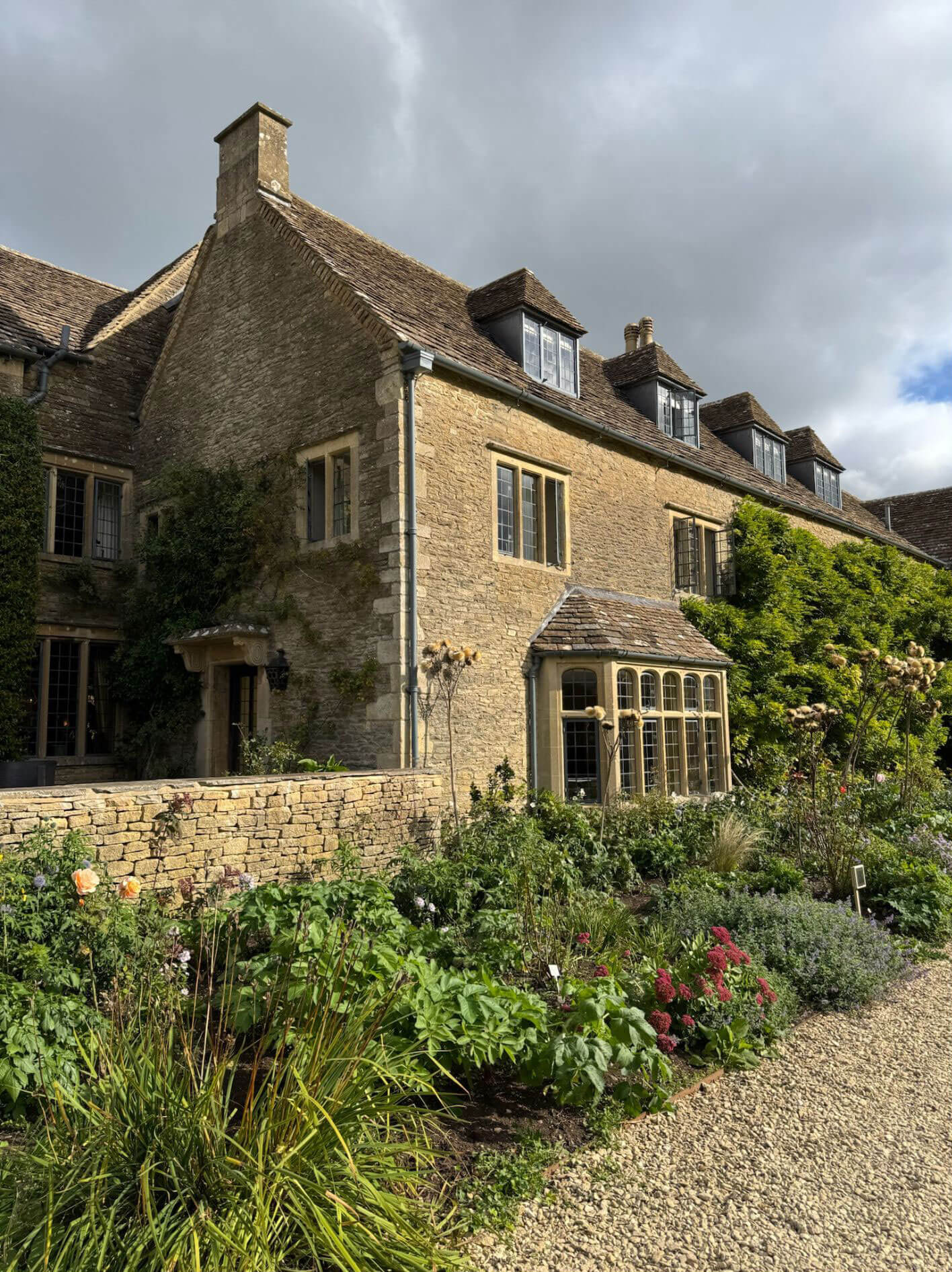
When we first stayed at Whatley Manor, Jesse pointed out that it stood out as a genuinely eclectic example of a rambling English manor. At several points during our walk through the grounds, we found ourselves questioning whether we were looking at the same house. It is for this reason that we consider it to be a standout example of a rambling country house that has organically been expanded and built upon through the centuries, ranking alongside examples such as Ascott House (which we recommend you look into if you are not familiar!).
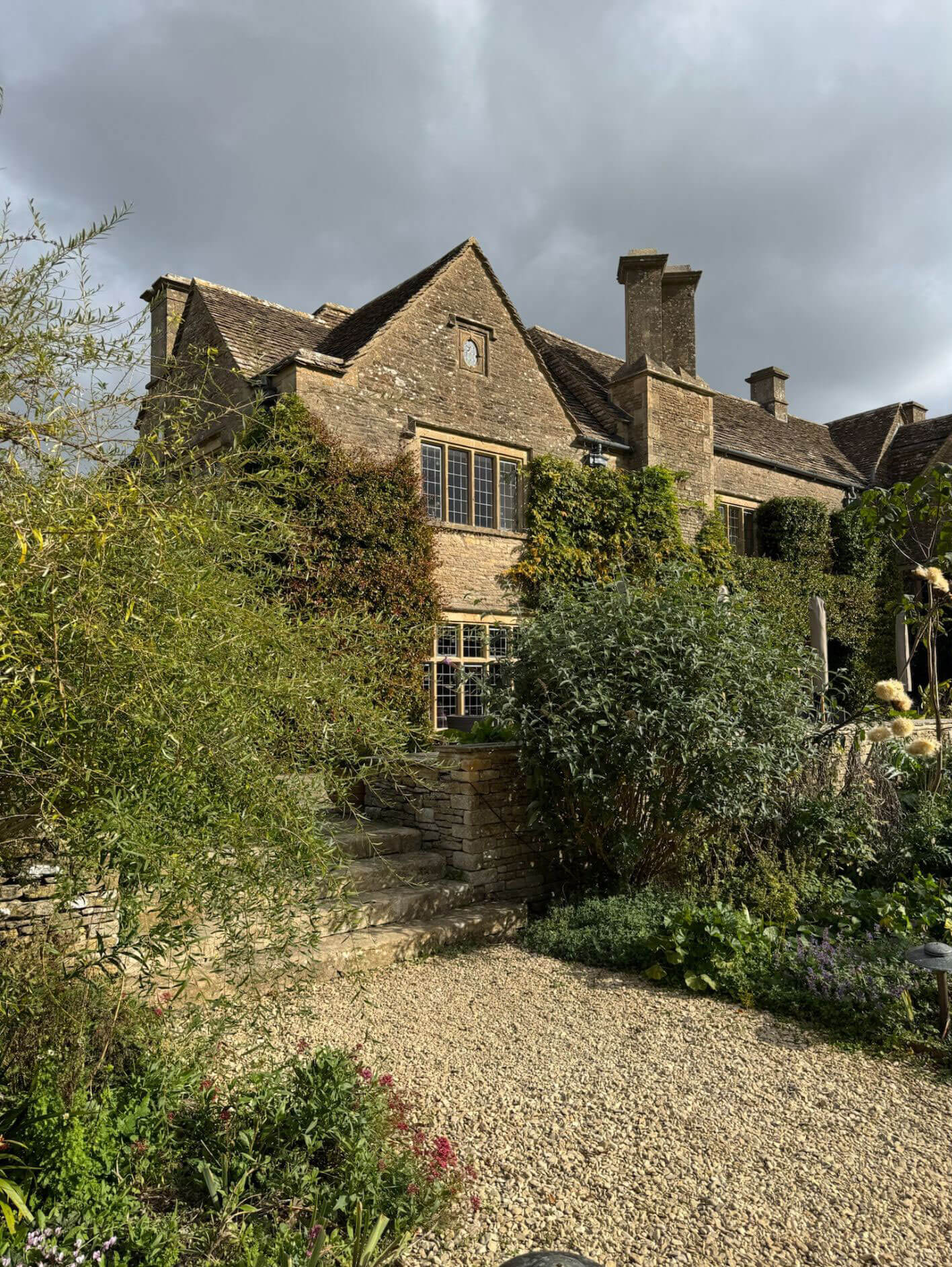
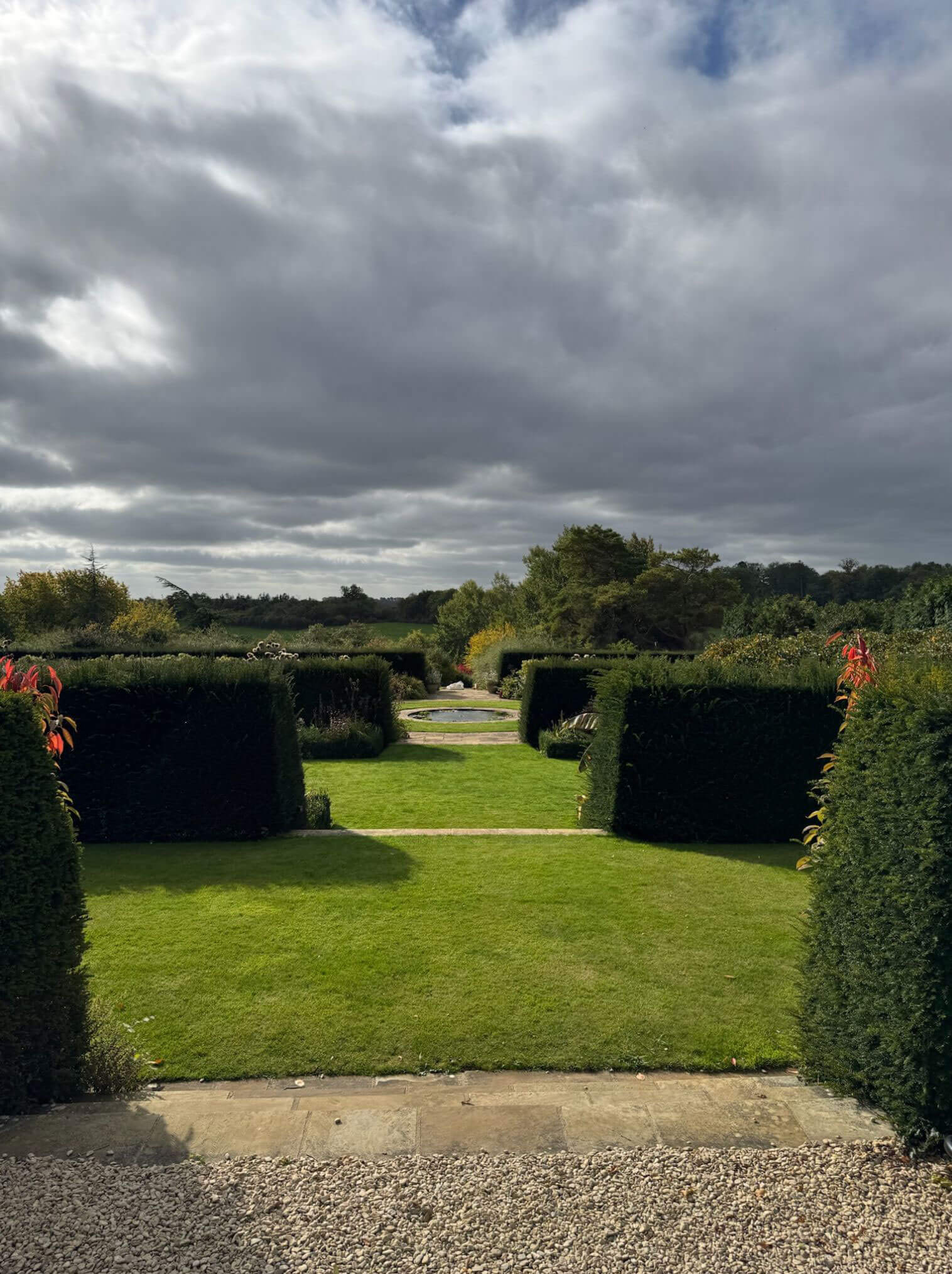
Jesse specifically enjoyed walking the gardens. Spanning 12 acres and organized into nearly two dozen distinct garden rooms, they were laid out under Warwick's direction in the 1920s, following the principles of the Arts and Crafts movement, a style he has always admired for the way it treats a garden as a series of connected rooms rather than a single open space. He pointed out that each room holds its own theme, whether through colour, scent, or structure, and that moving between them feels closer to touring a sequence of interiors than walking through a landscape.
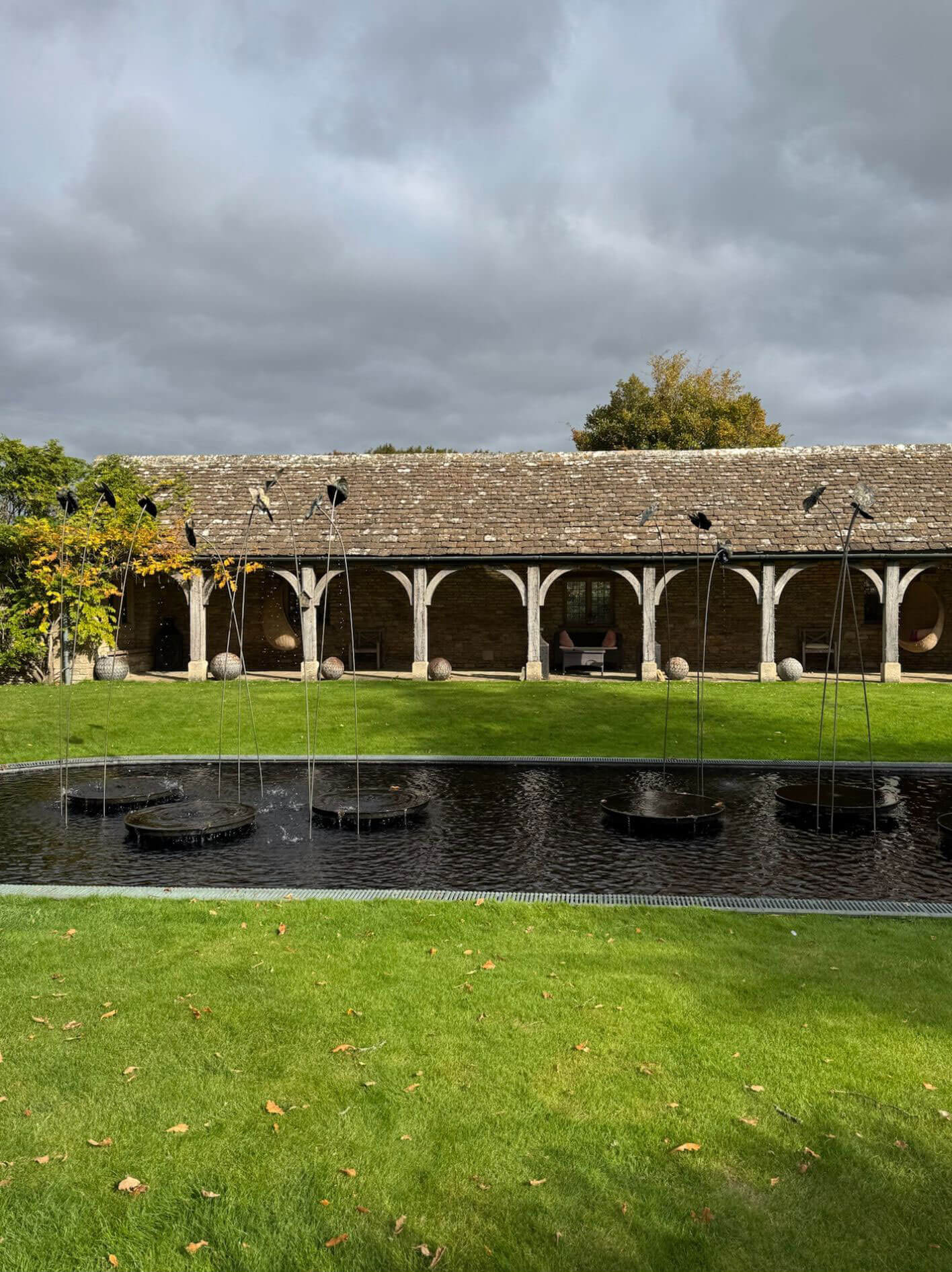
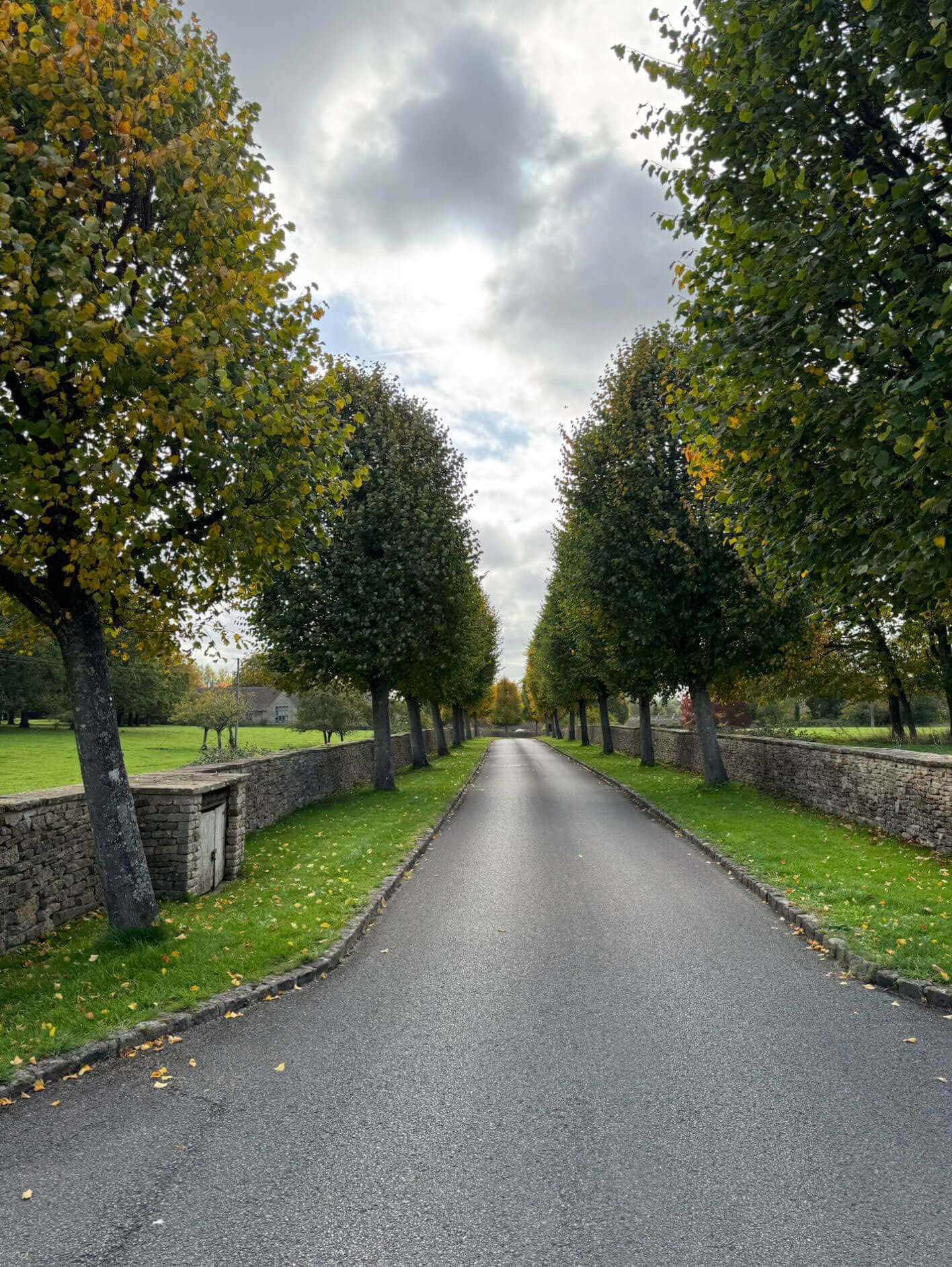
The approach itself here is worth noting, as the tree-lined driveway sets the tone before you even reach the house. It is what we enjoyed most upon arrival, and this feature, where possible, is always something Jesse likes to prioritize for this reason. The ponds, structured hedges, and breezeways surrounding them were also notable.
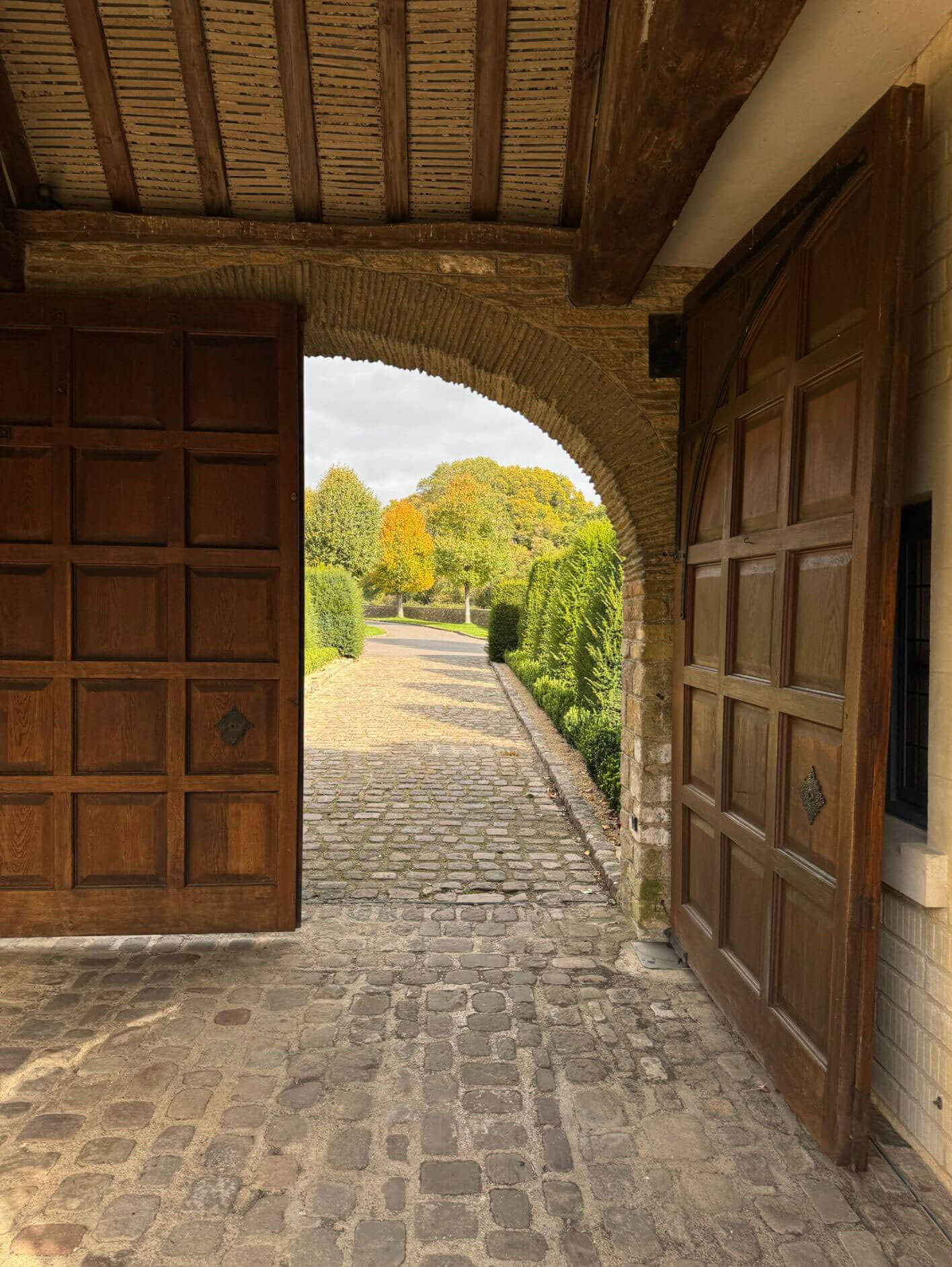
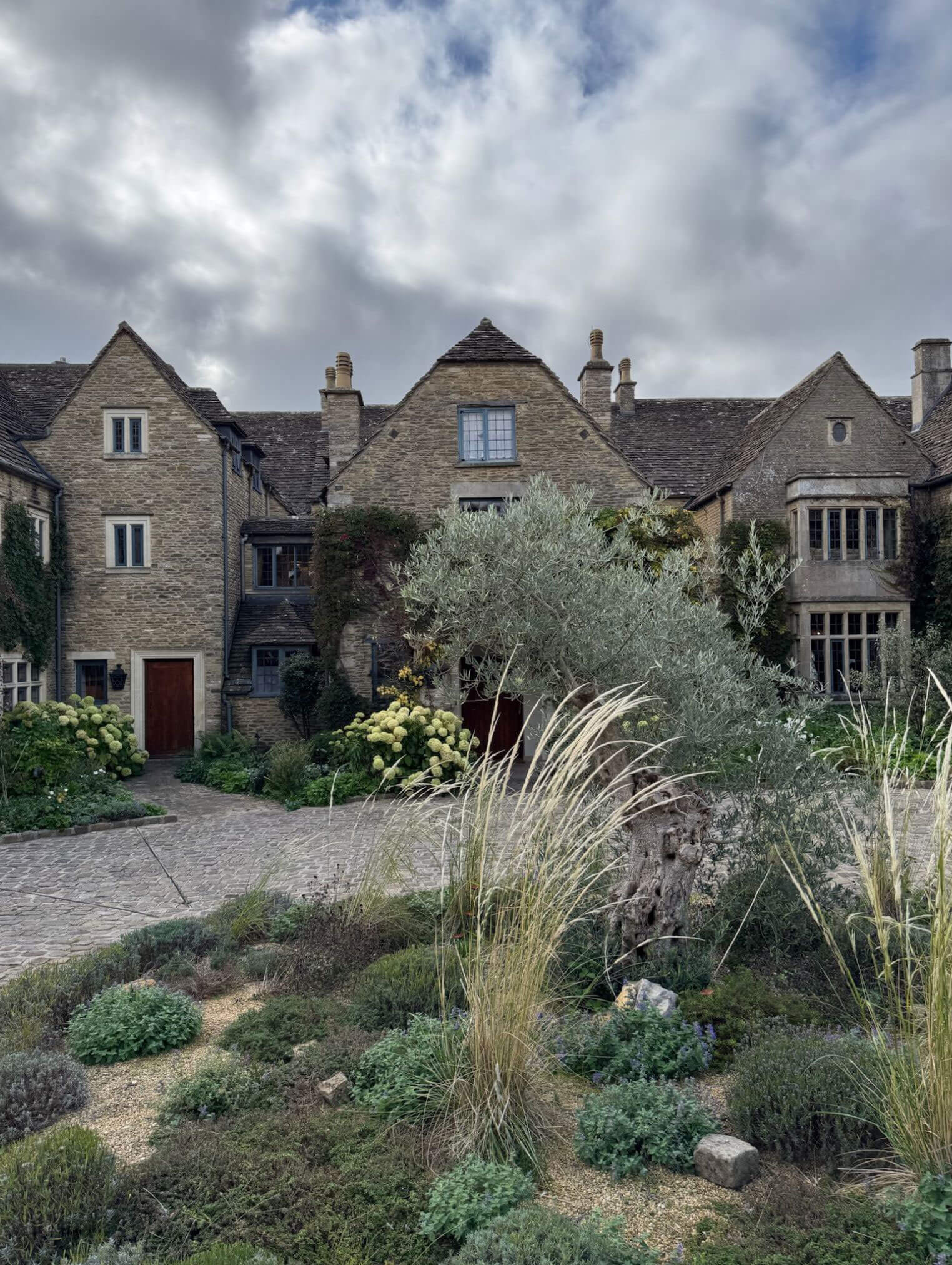
Built in the 18th century as a Cotswold farmhouse, it saw meaningful expansion under a Victorian era owner in the mid to late 1800s, before undergoing its most defining transformation in the 1920s at the hands of architect Septimus Warwick. Jesse has always held Warwick in high regard, since it was Warwick who took what was still fundamentally a working farmhouse and reimagined it as a country house without erasing its origins. He added a Cotswold style west wing, now known as the Tudor wing, extended the stable courtyard significantly, and built a new coach house, all while retaining the coursed rubble stonework and stone slate roofing that grounded the property in its region. Warwick's other work includes Lambeth Town Hall and the Wellcome Research Institution building in London, now the Wellcome Library.
I believe that the layered history comes through as you scroll through these photos, and it is what makes this structure so interesting. Each wing carries its own distinct character, yet the composition feels like it underscores each of these, taking on a sprawling and rambling character often found when looking at a structure that has endured the centuries without losing its cohesion.