Charming English Settings
OUR TRAVELS:
CHARMING
ENGLISH SETTINGS
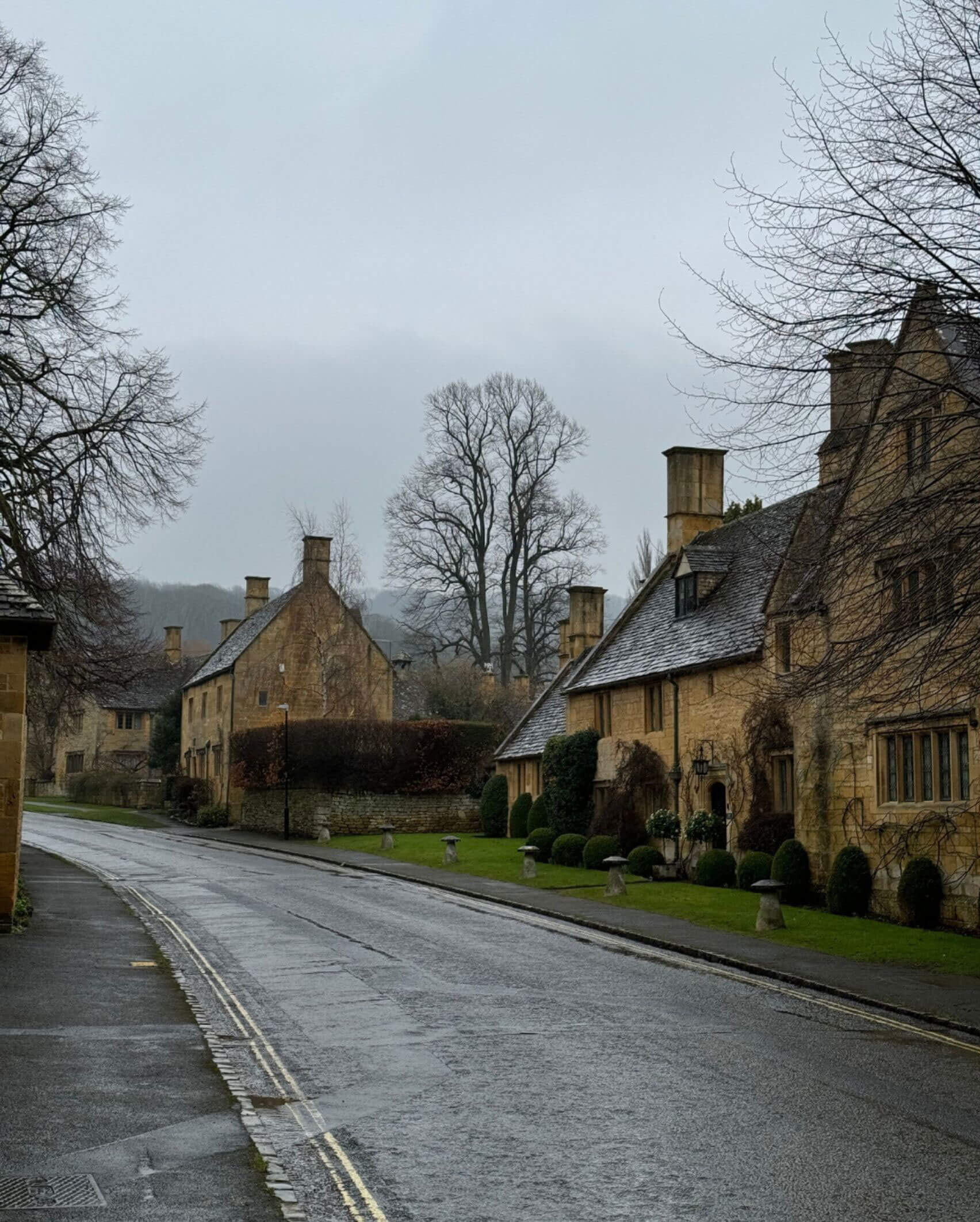
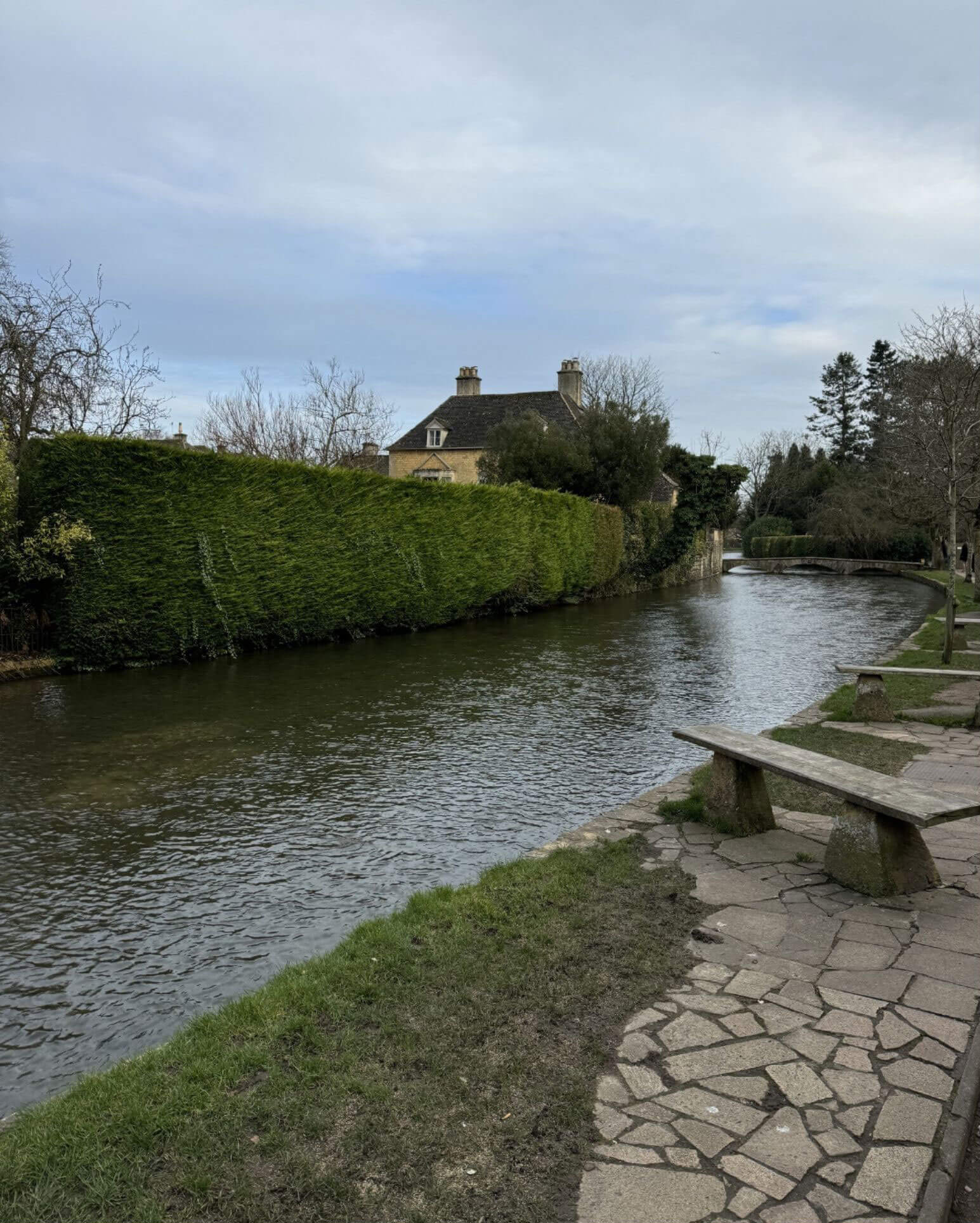
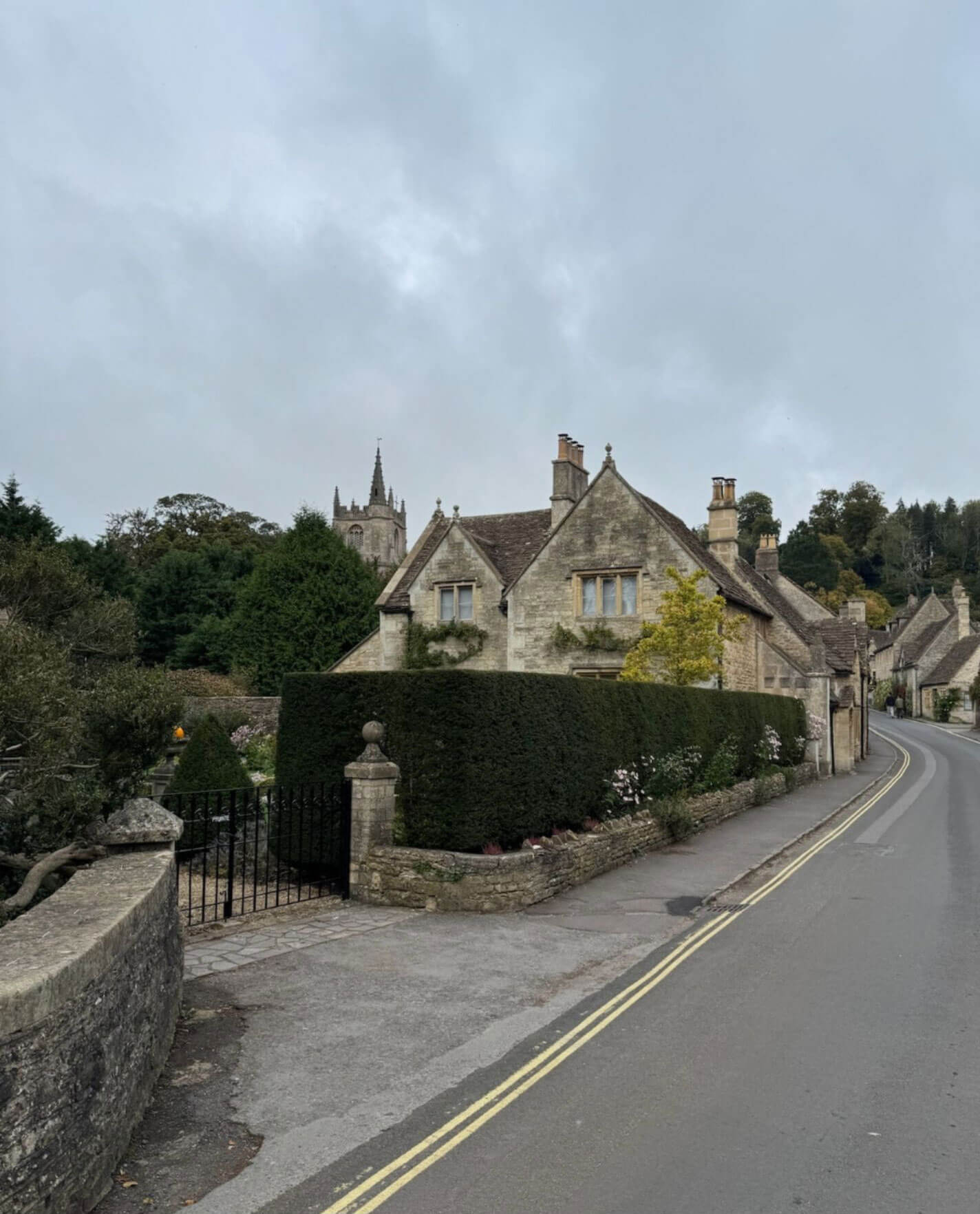
Given the Cotswold inspiration in Jesse's work in recent months, it felt appropriate to share some of what informed it. Staying with the theme of environment design, which is the real product of Jesse's multi-disciplinary process, I wanted to share a few photos that resonated with us. Each image features an environment we experienced on our travels through the English countryside that prompted us to capture the moment.
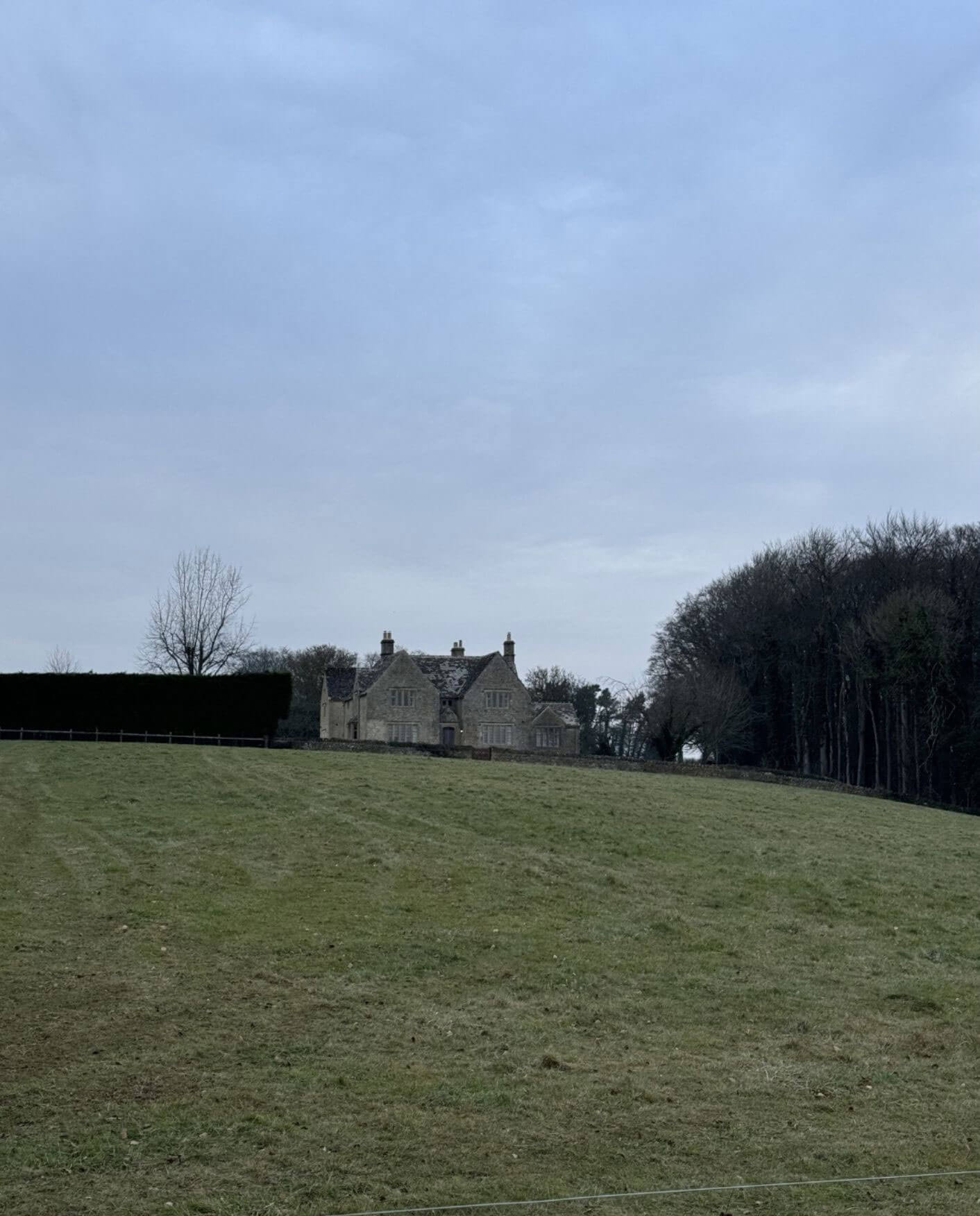
We always make a point of keeping an eye out for unique environments when travelling, though specific details such as unique proportions and masonry details are usually among the many things you would see us collect images of. However, sometimes it's the scene that wows you. The English countryside has a particular density of these moments. You can be driving between villages and a centuries-old farmhouse appears through a gap in the hedgerow, framed by mature trees and sitting so naturally in the landscape that it looks as though the land grew up around it rather than the other way around. We have pulled over more times than we can count.
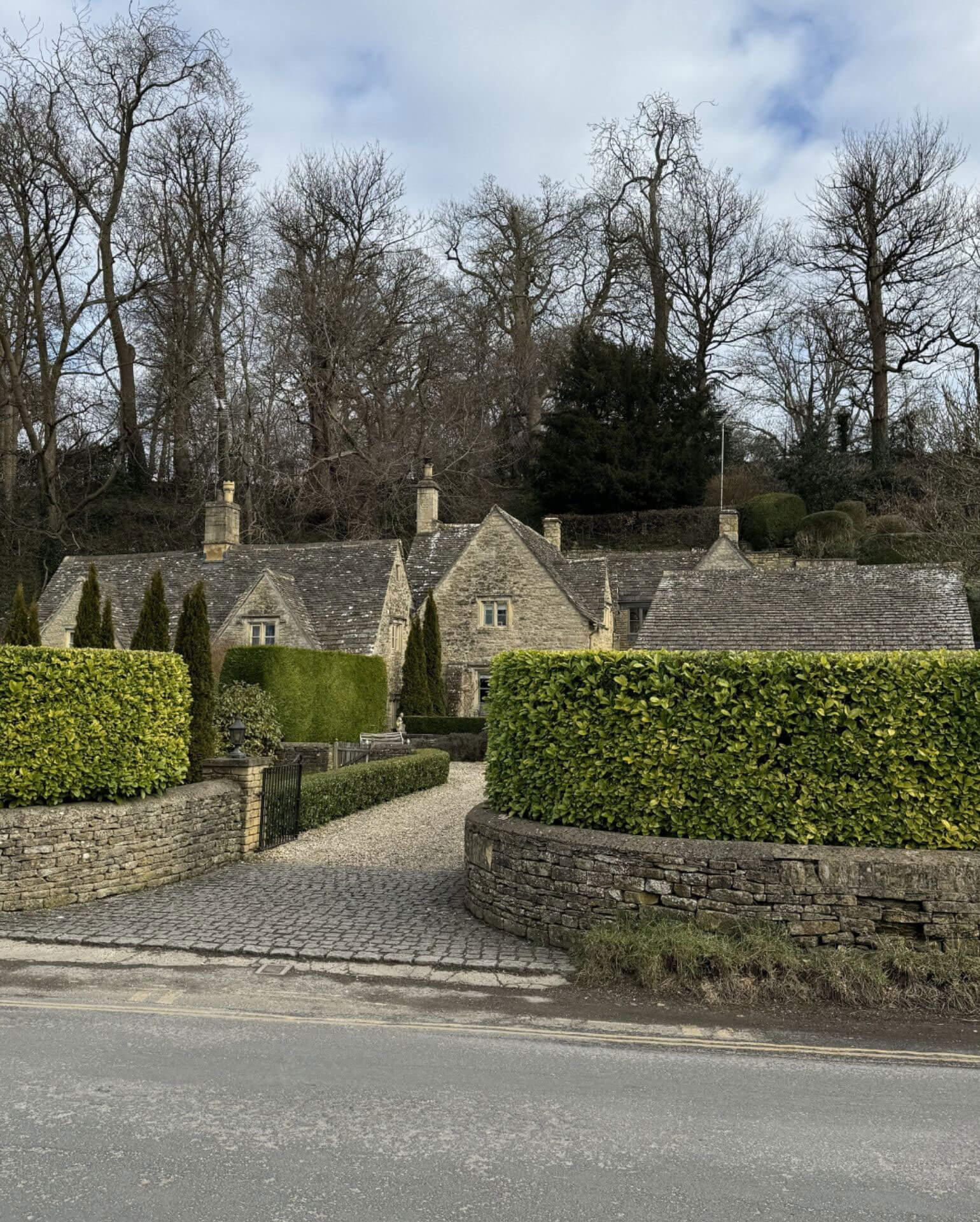
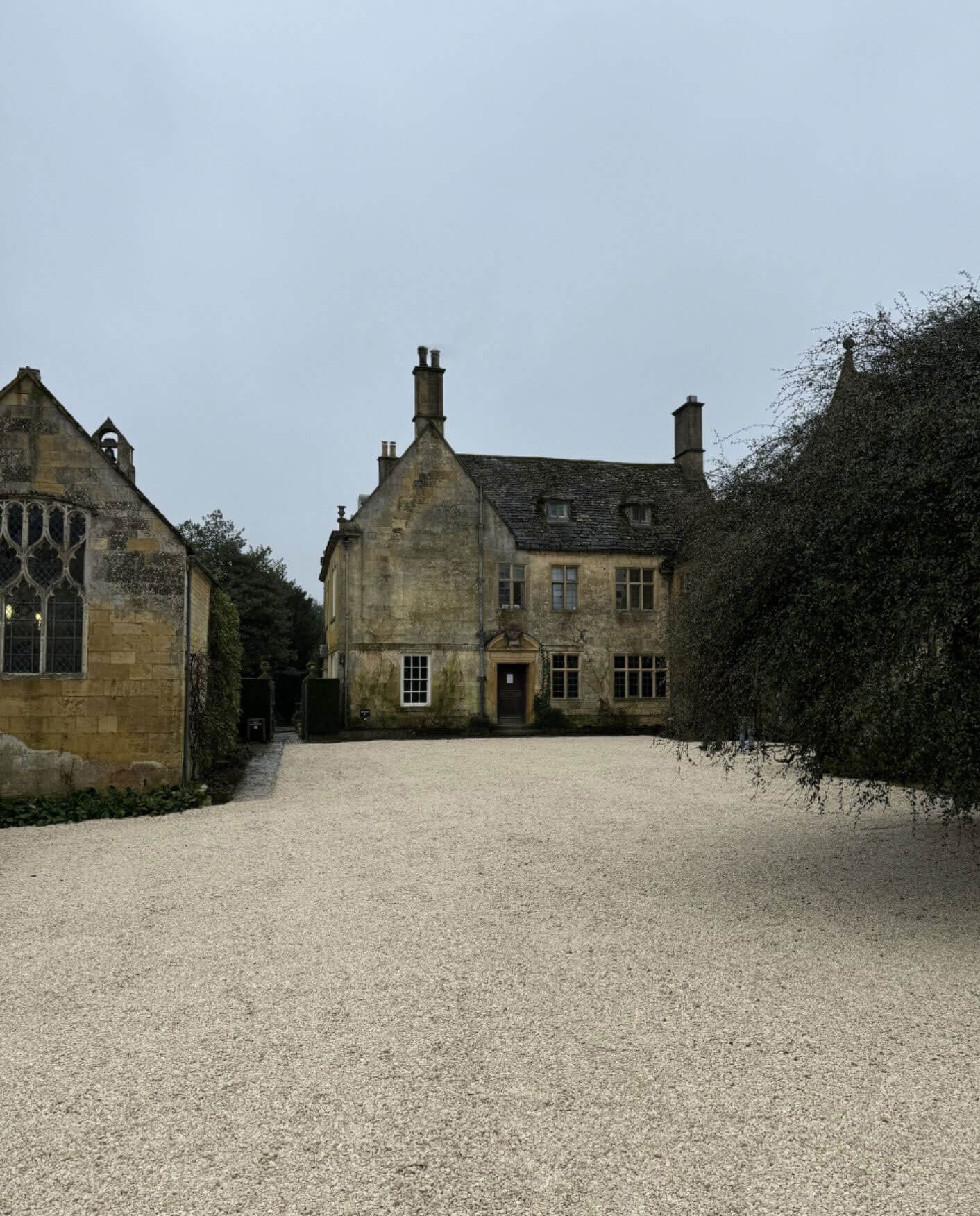
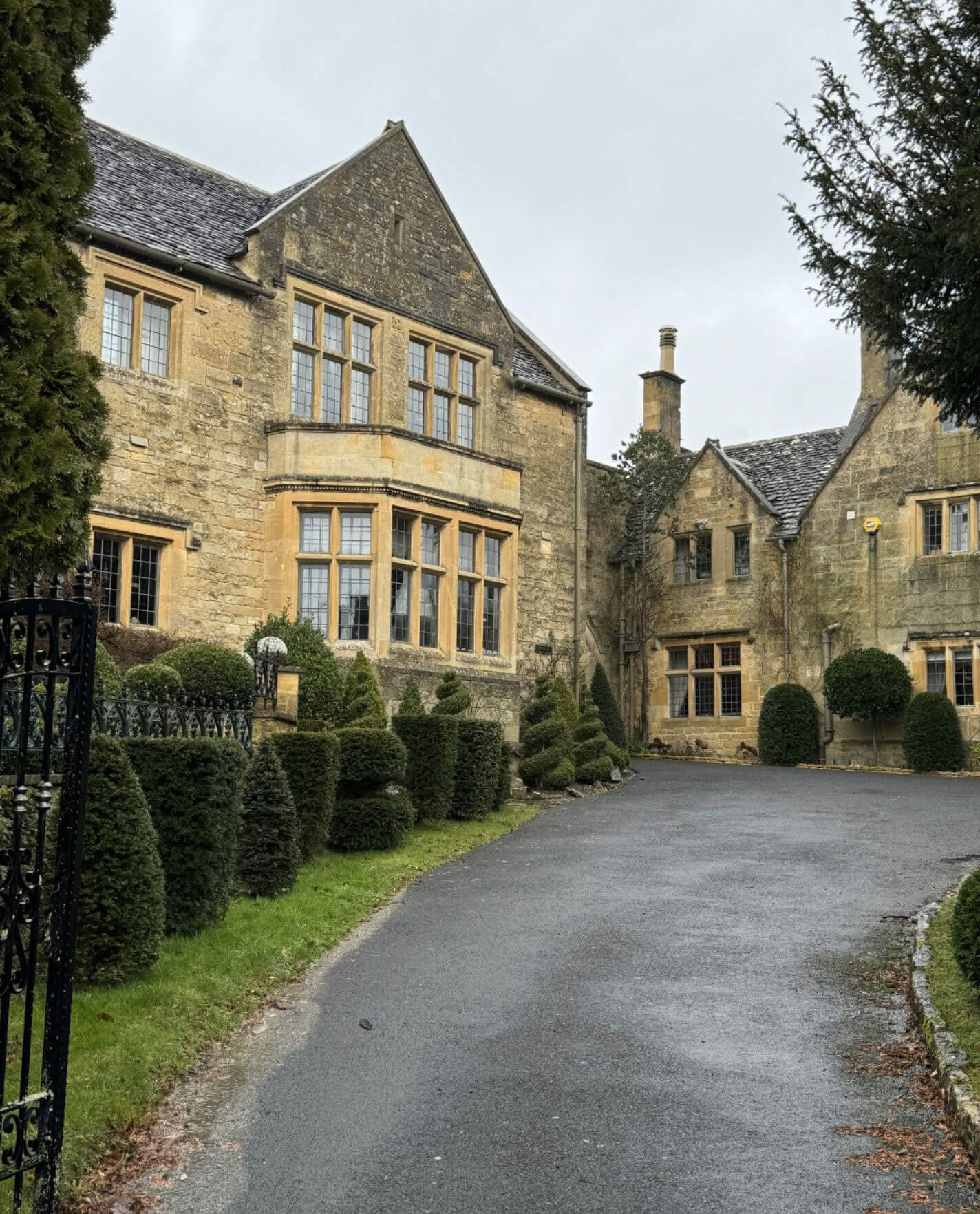
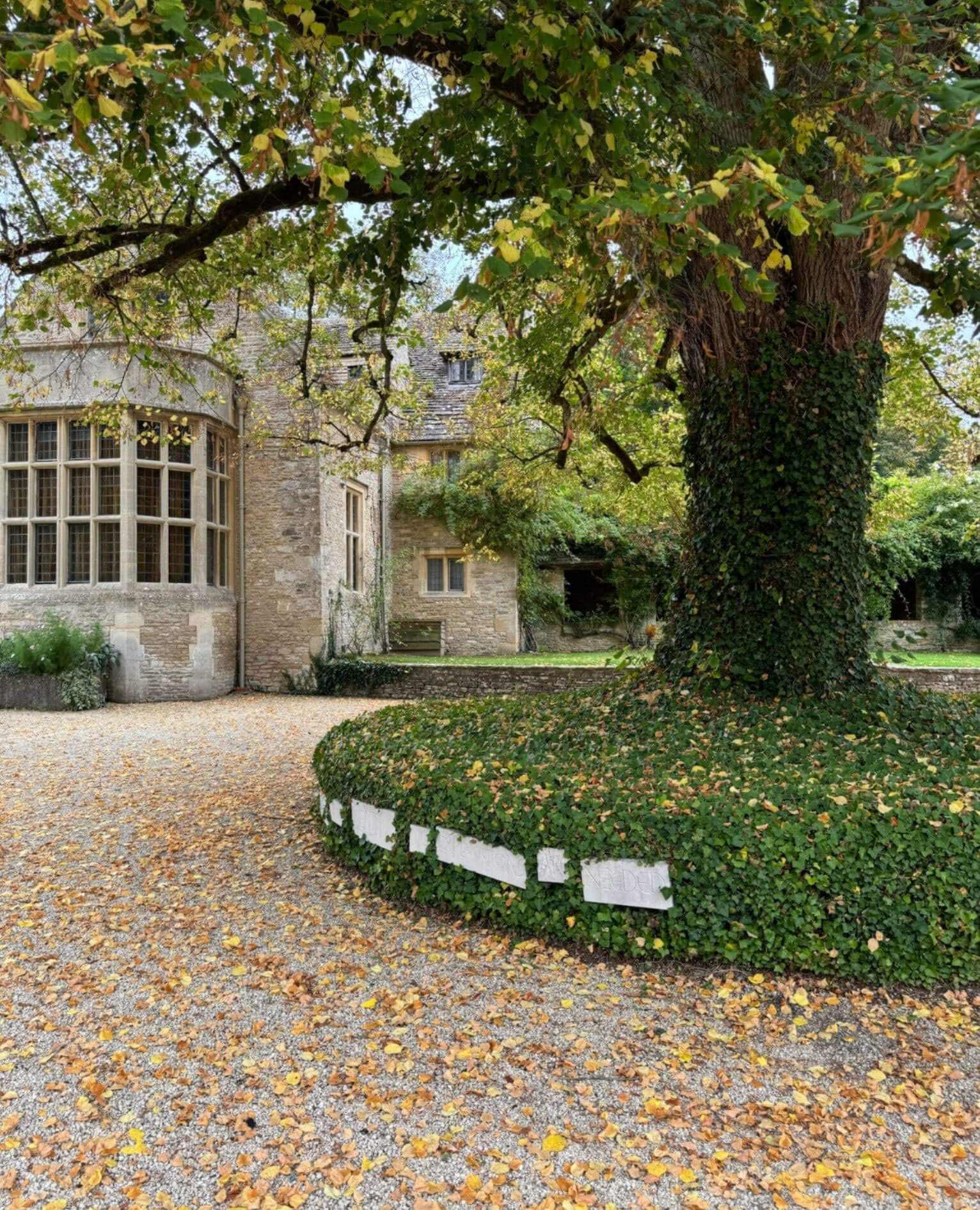
There is something about the combination of lush greenery, rustic stone, slate roofing, and the rich warm taupe of pea gravel driveways in the region. It is a material palette that can be applied in almost any form and still capture the most nostalgic feelings of traditional English warmth. I believe the collection of images here proves that. The old-world craftsmanship found in each of these environments is what draws us in. Sometimes the patina is perfect, and sometimes the lighting looks great, but each quality is difficult to achieve by today's standards, and this is why we value the level of thoughtfulness that led to the detailed execution of these elements.
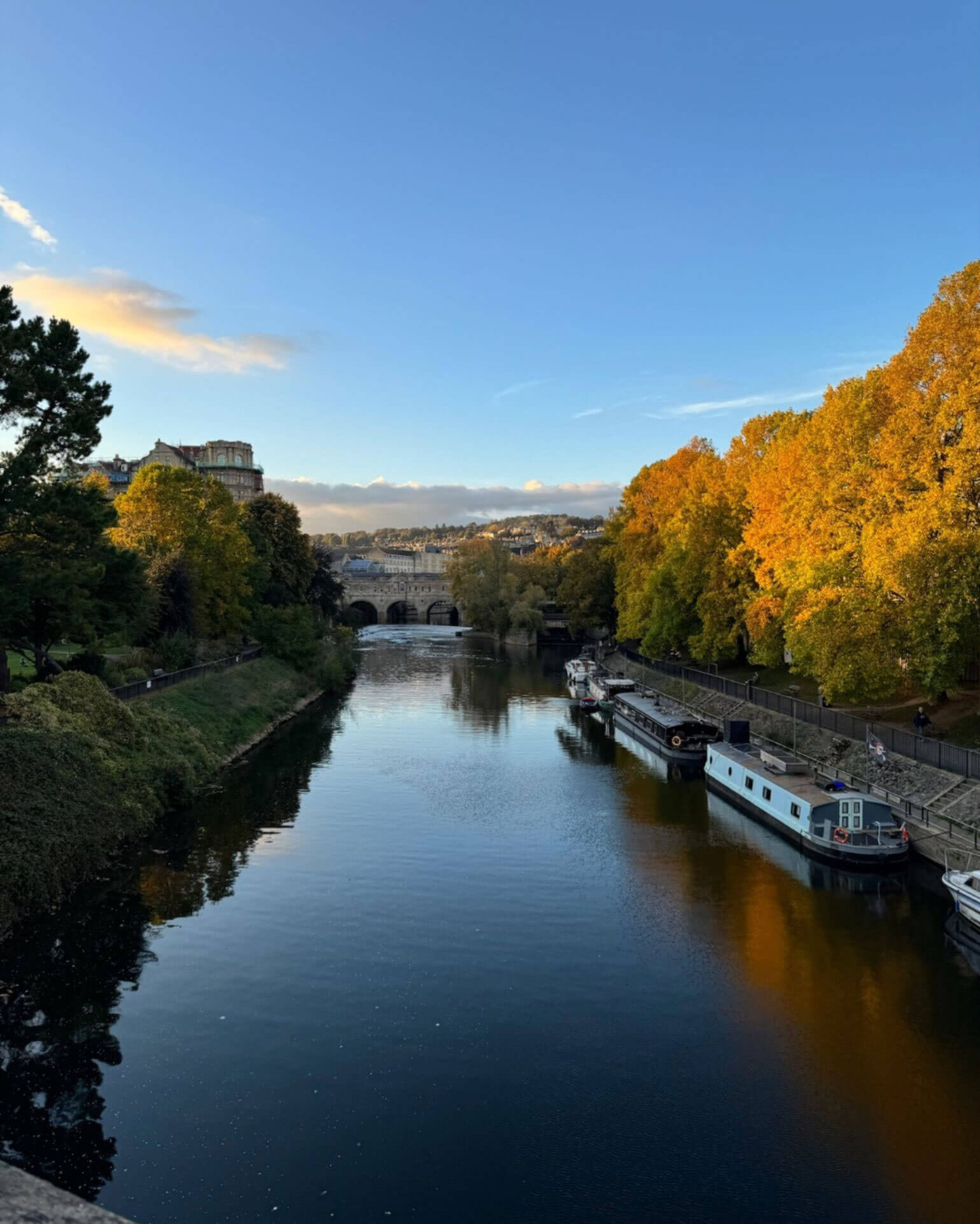
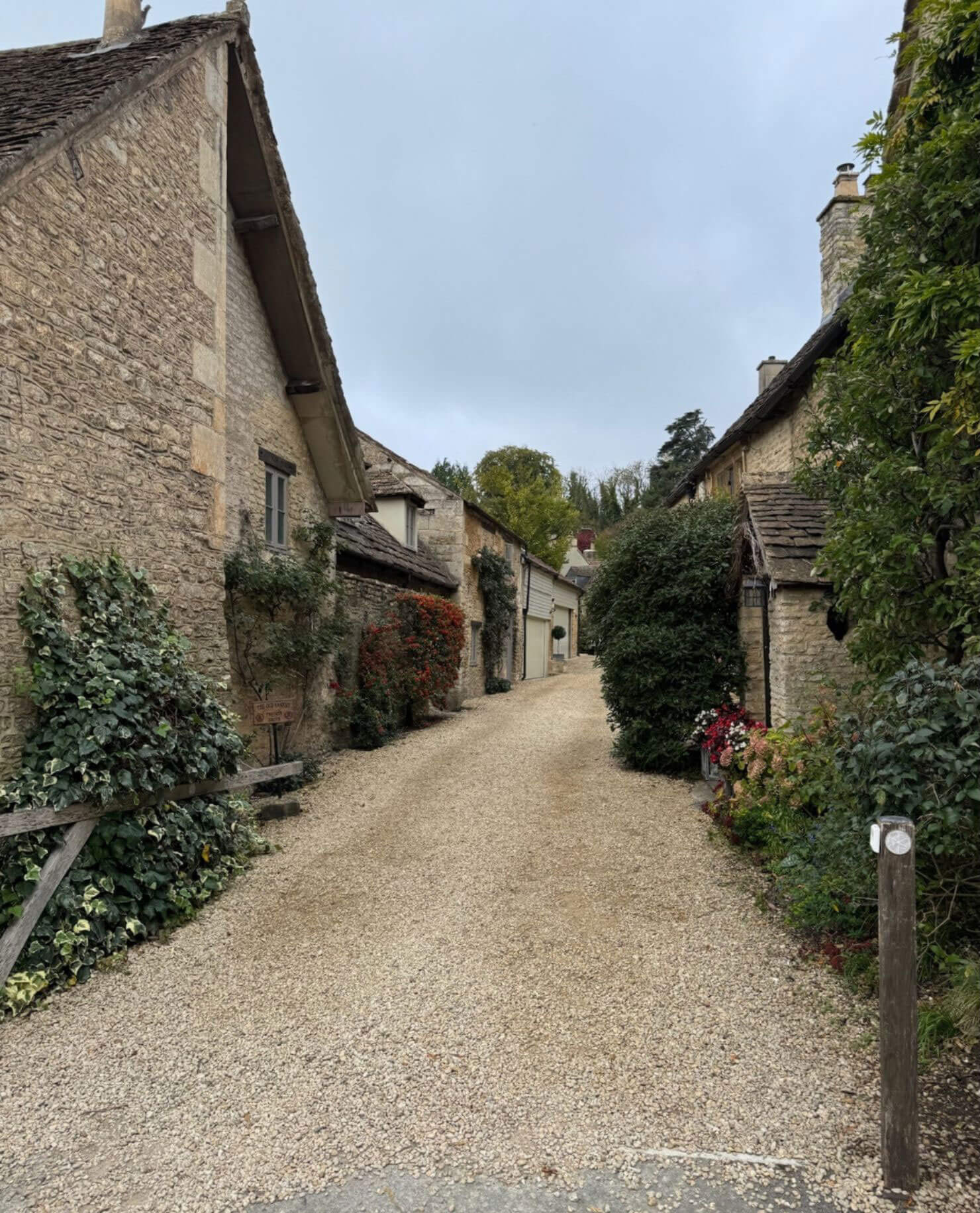
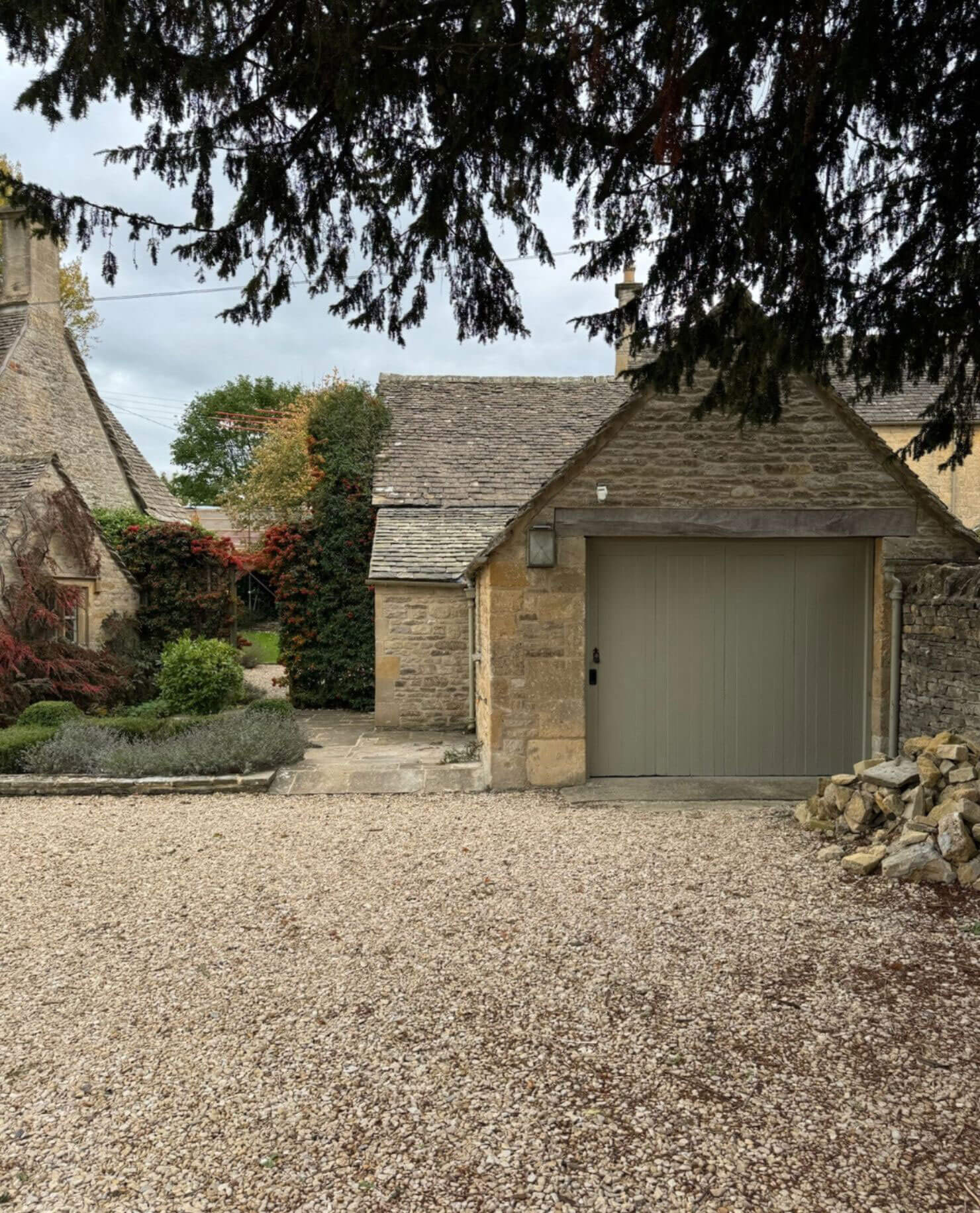
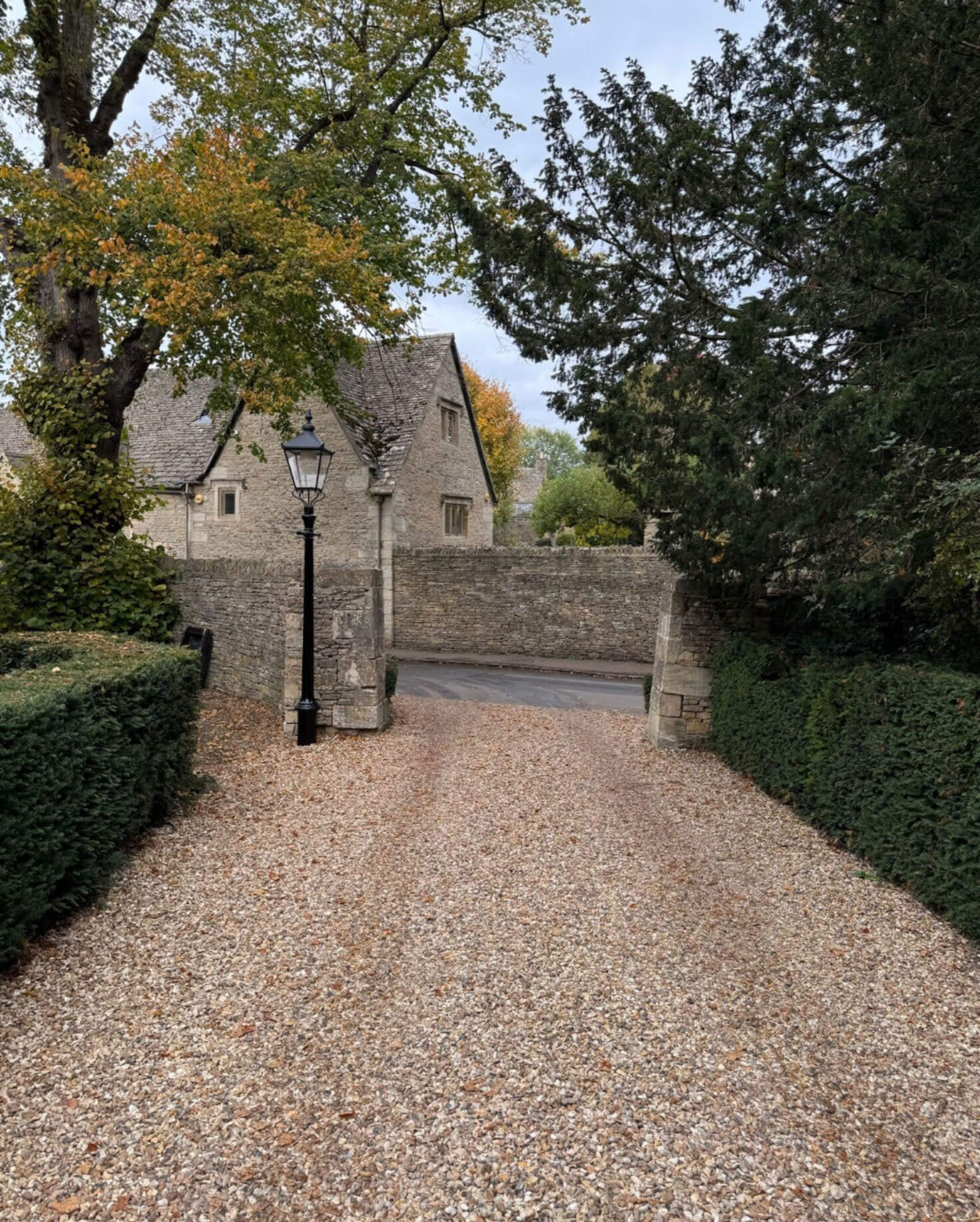
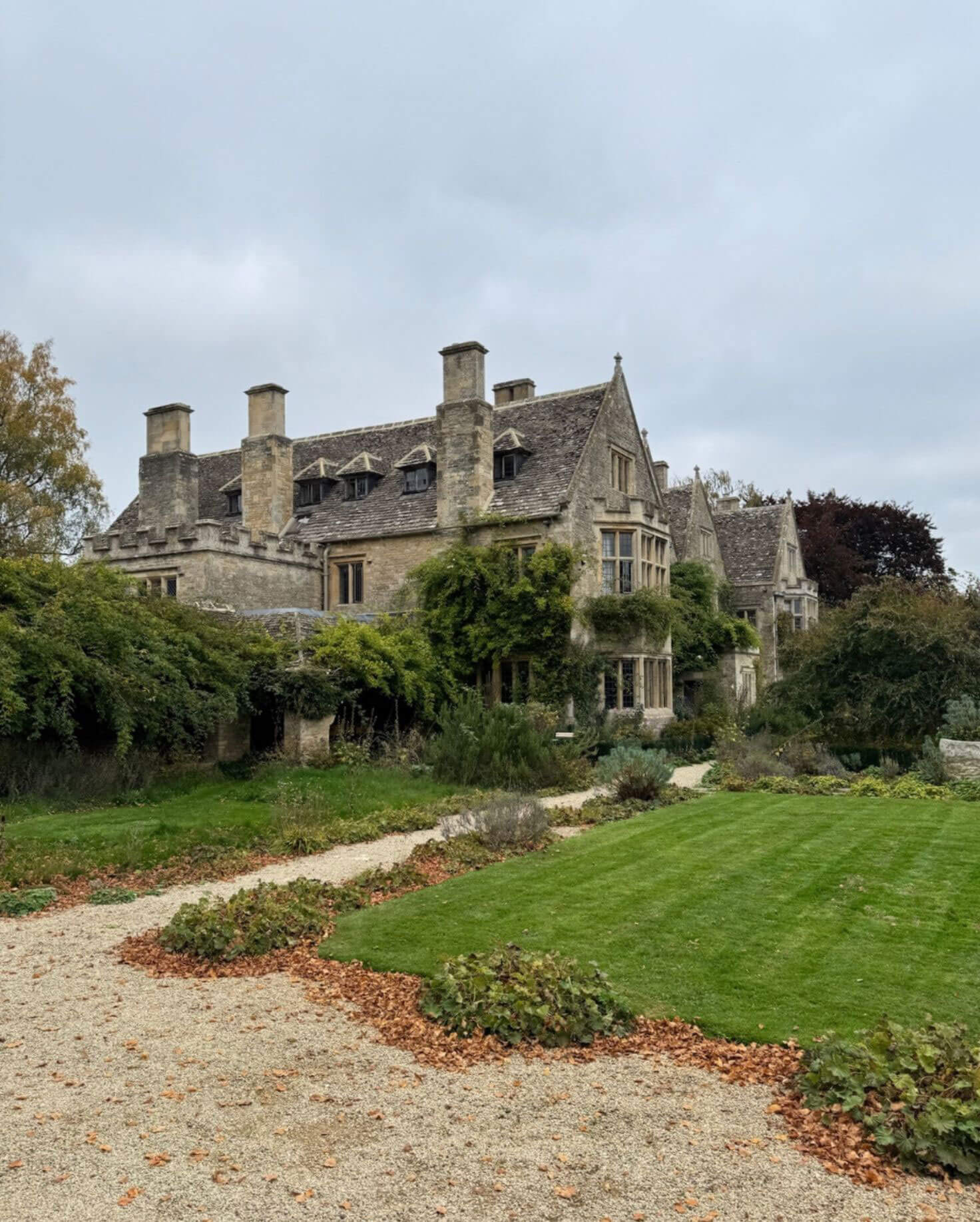
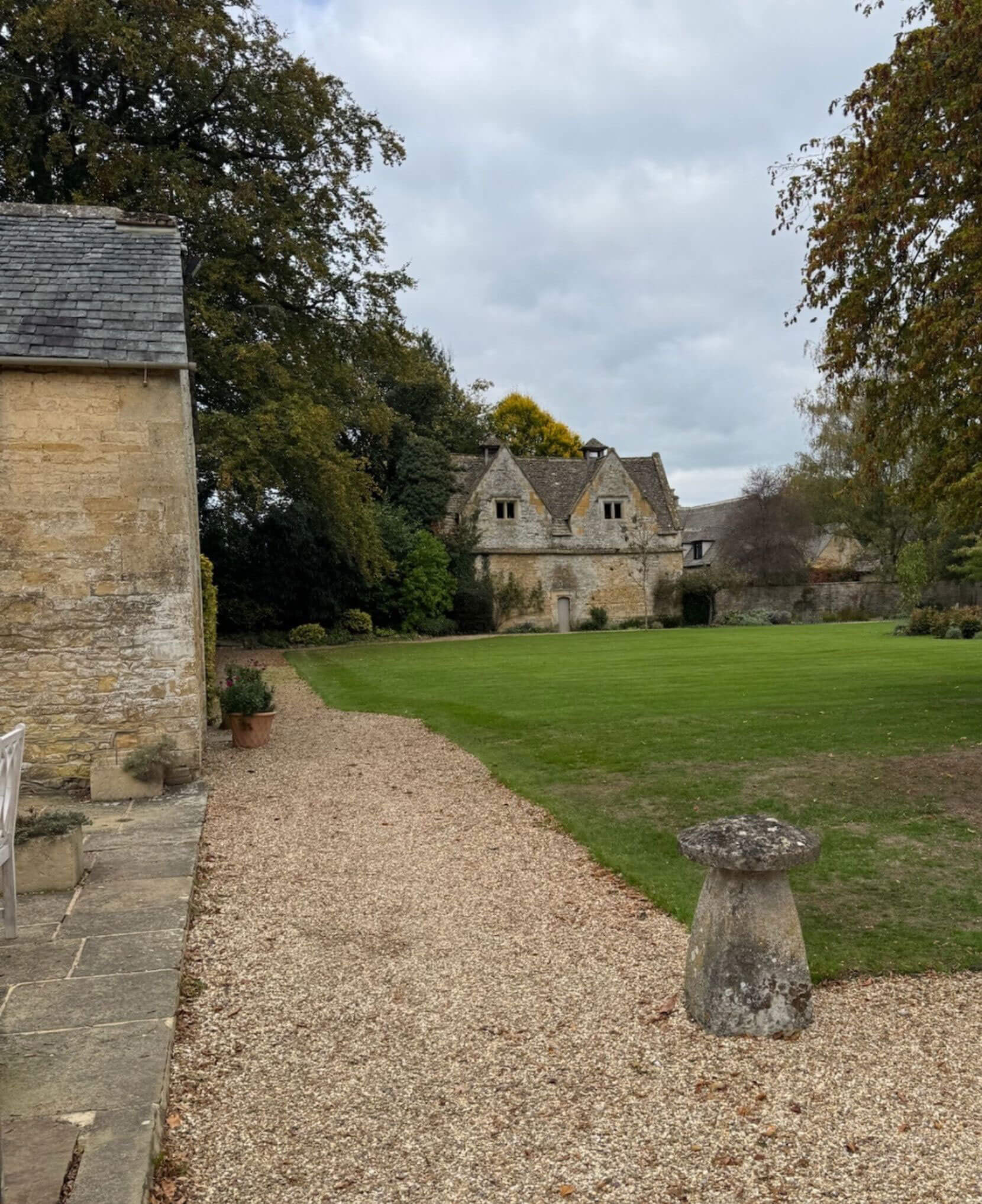
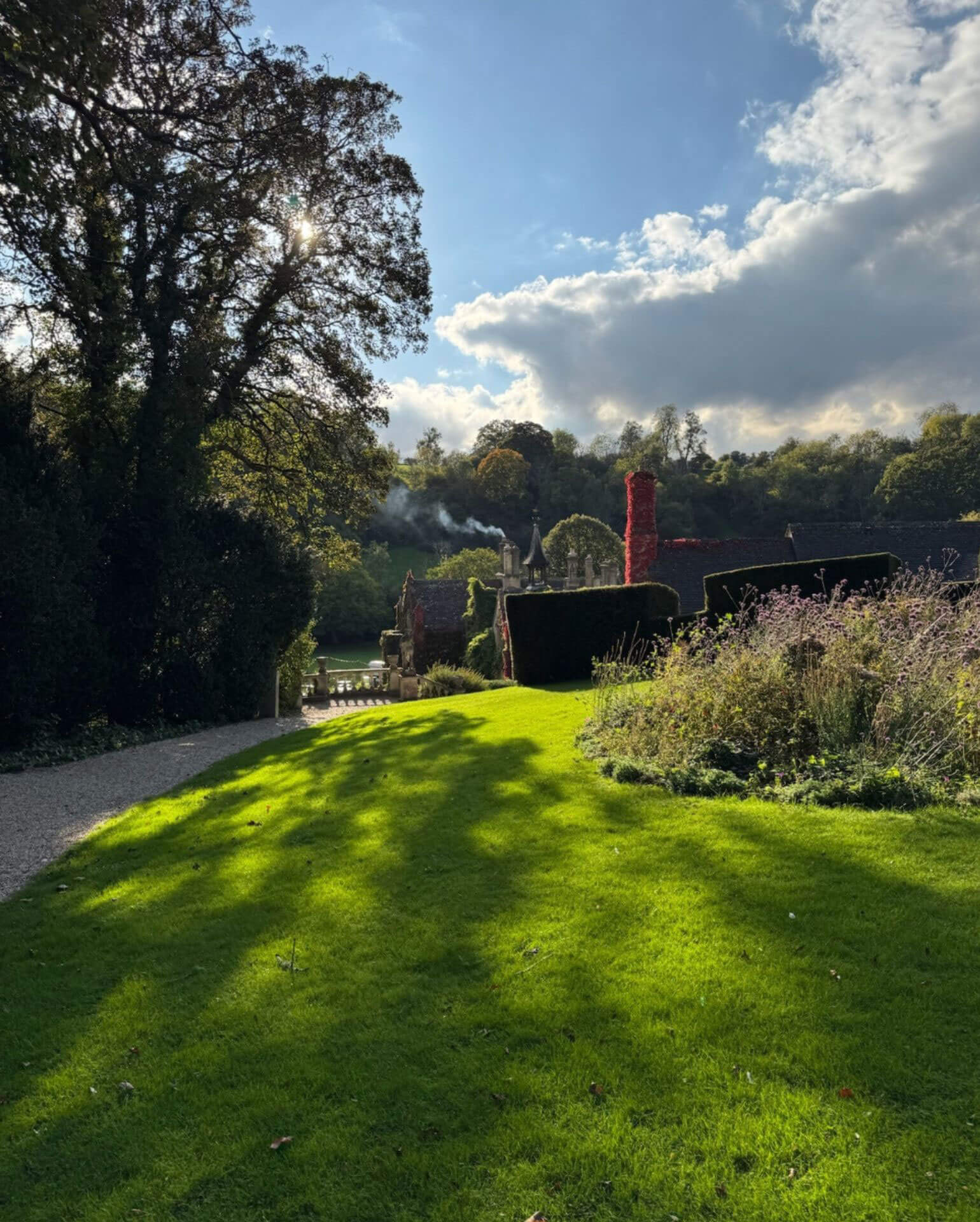
Whether it is mature trees, low shrubs, garden walls or hedge walls, or an expansive rustic farmhouse set among a flat, vast field, the charm is felt. The sheer level of creativity that can be applied to the format and application of each of these elements is exactly why English design vernaculars across such a wide range of historical periods offer a designer an endless well of exploration.
It is also true that this is something Jesse has a particular love for, as the combinations between the home design and landscape design departments alone number in the tens. The gardens can either consist of structured hedges and topiary, or resemble that of a painting, with flower blossoms strategically placed in the tradition of the legendary Gertrude Jekyll; the late nineteenth and early twentieth century English horticulturalist whose naturalistic planting philosophy treated the garden as an extension of the home's artistic identity rather than a boundary separating it from the wild.
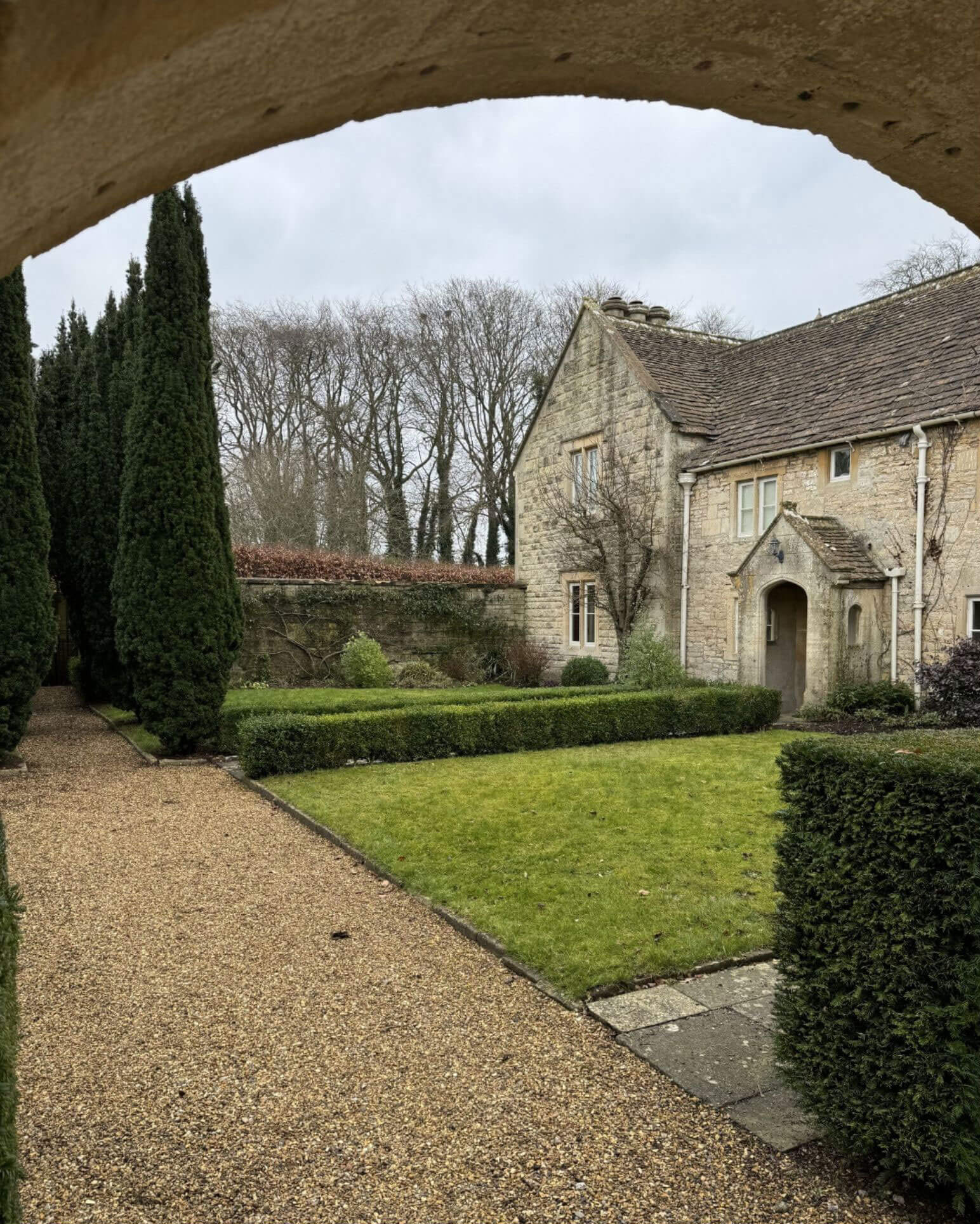
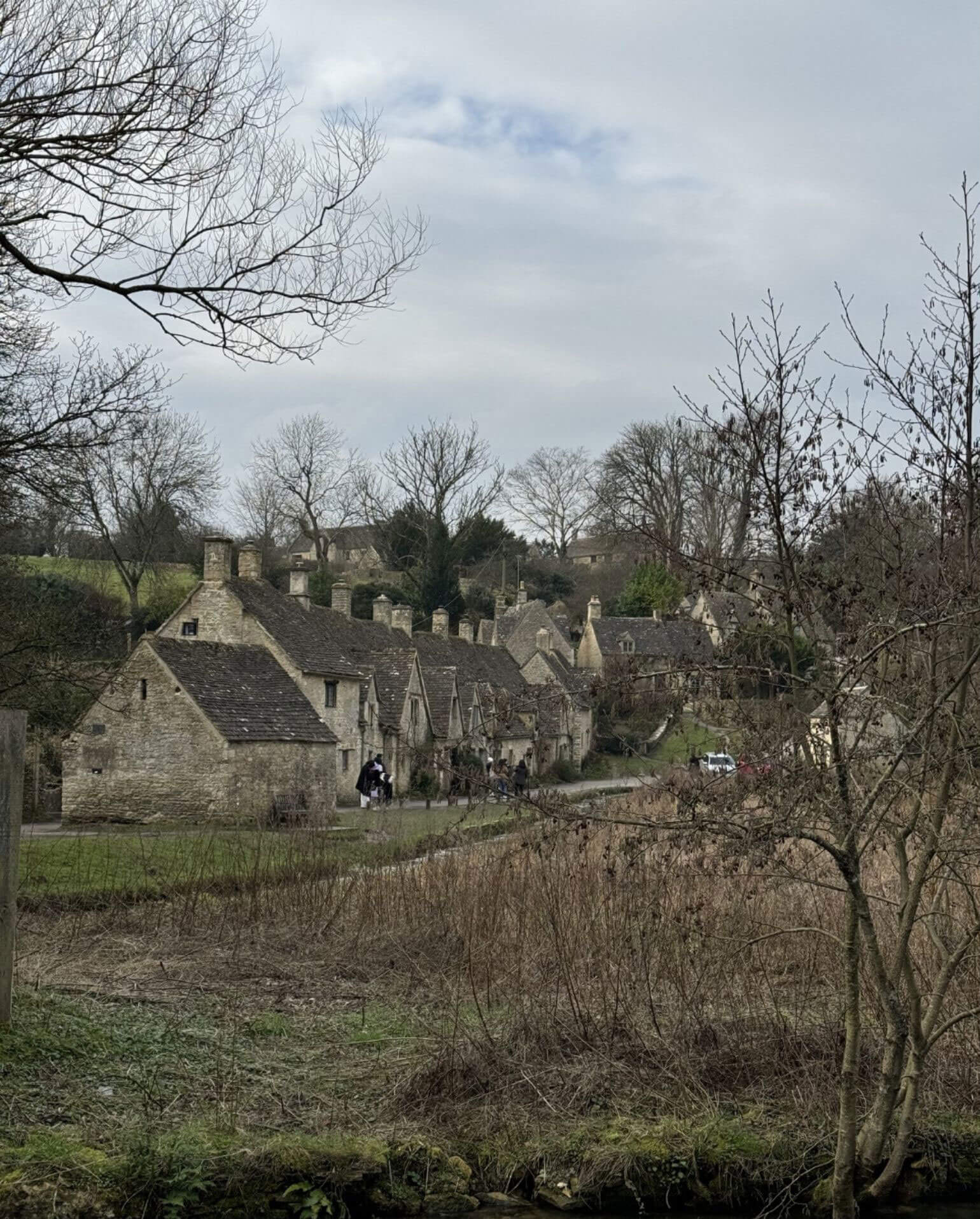
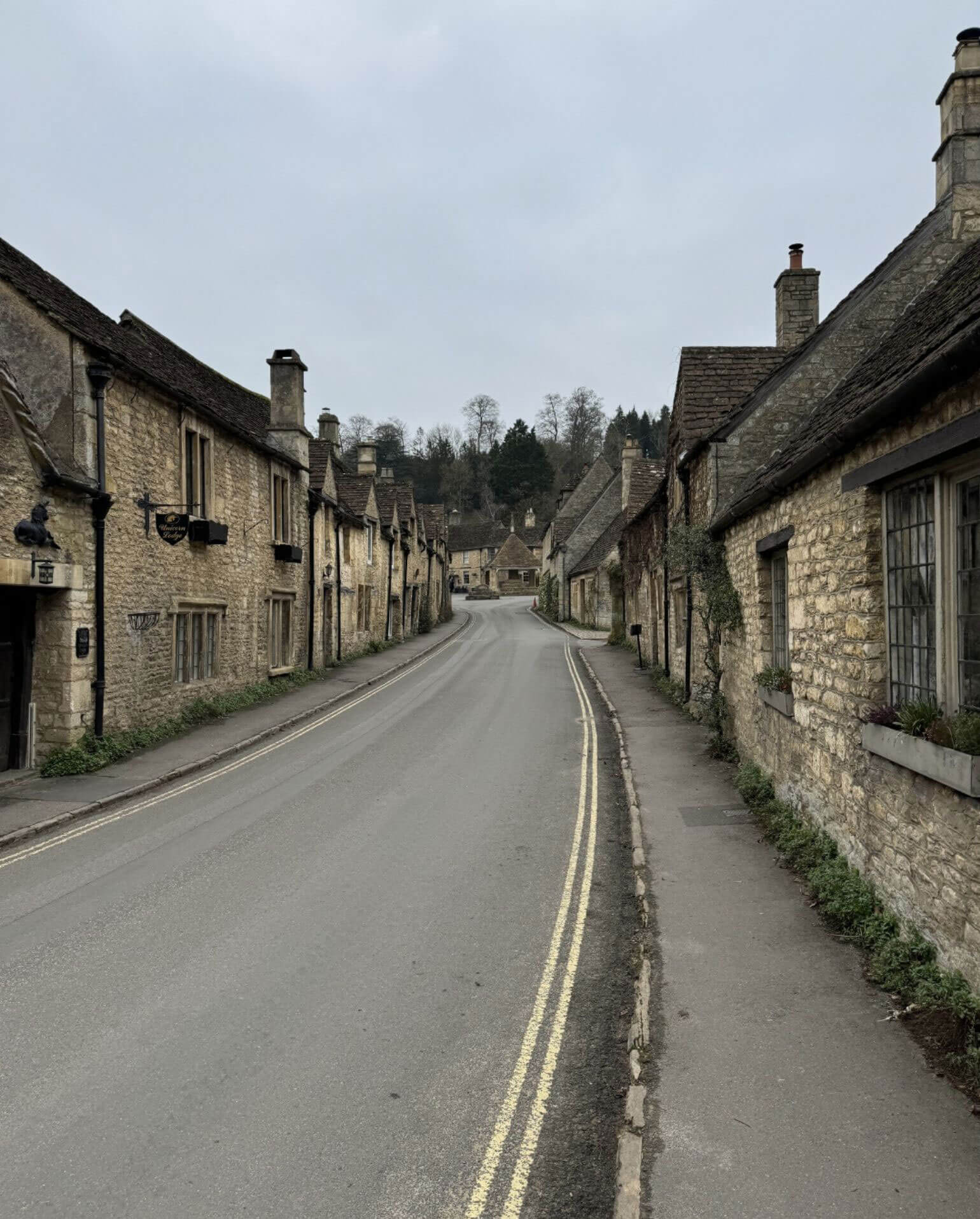
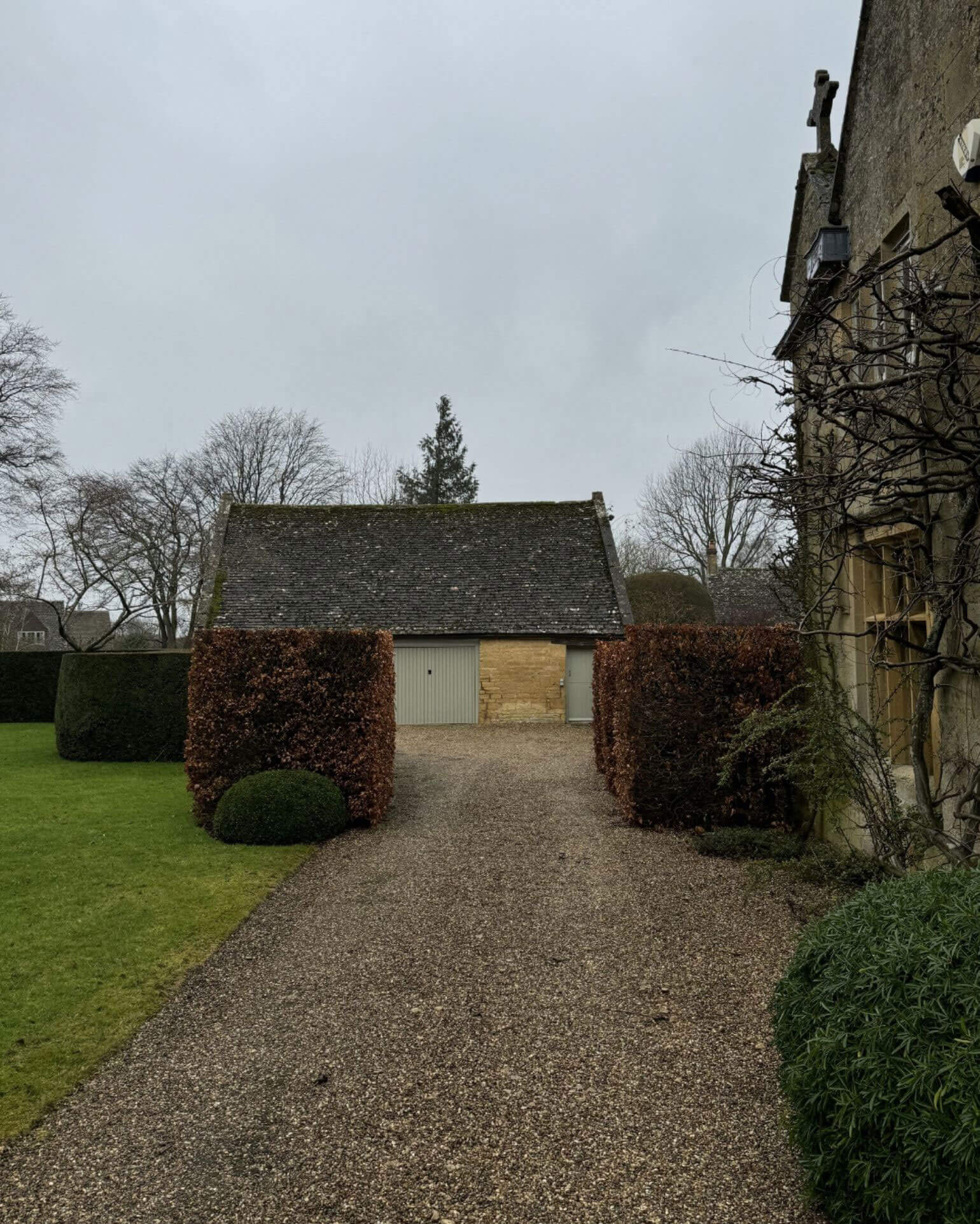
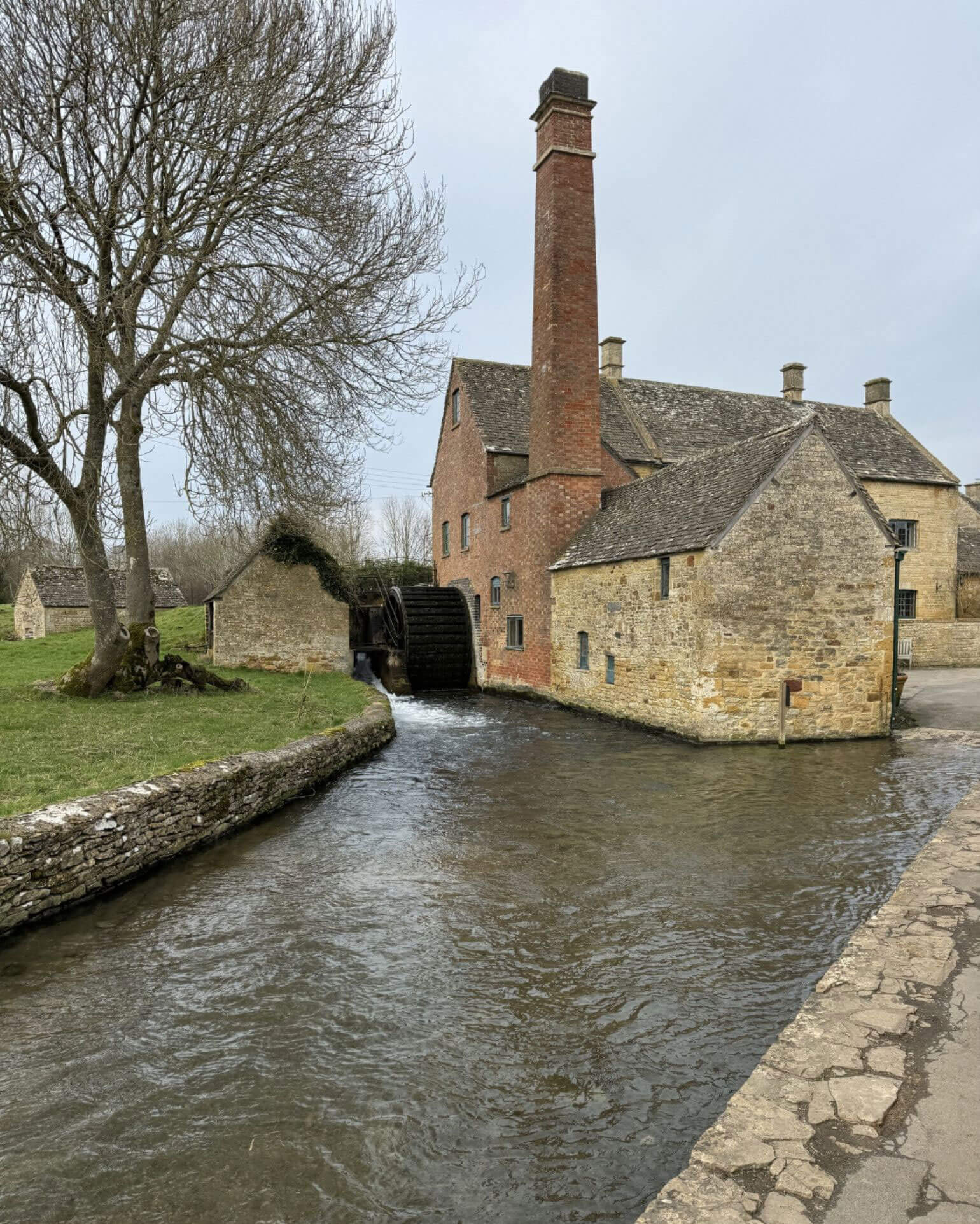
What strikes us most, returning to these photos years after they were taken, is how complete each environment feels. Nothing reads as decorative for its own sake. The stone walls that line the lanes were built to contain livestock and have simply become beautiful over centuries of weathering. The yew hedges that frame a doorway were planted to shelter a garden from wind. The gravel underfoot was chosen because it drains. There is an integrity to the decision-making in these places that produces a character no amount of intentional styling could manufacture, and we find ourselves returning to that idea constantly.
It is no wonder that one would encounter such a density of beauty when travelling through the English countryside. We hope you enjoy this collection of our favourite environments, selected from among the hundreds of amazing examples we could have included here.