Segrada Familia
OUR TRAVELS:
SEGRADA
FAMILIA
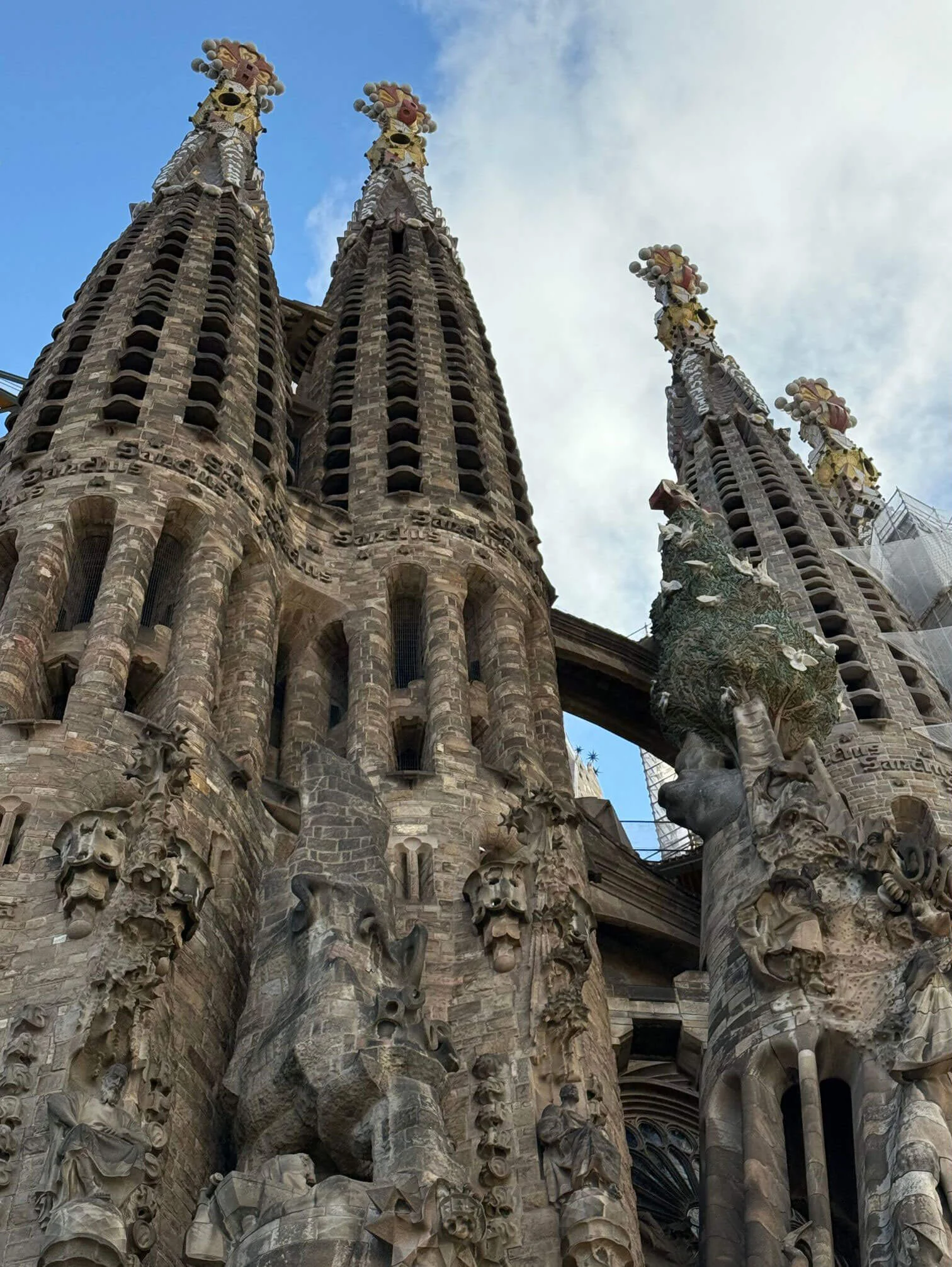
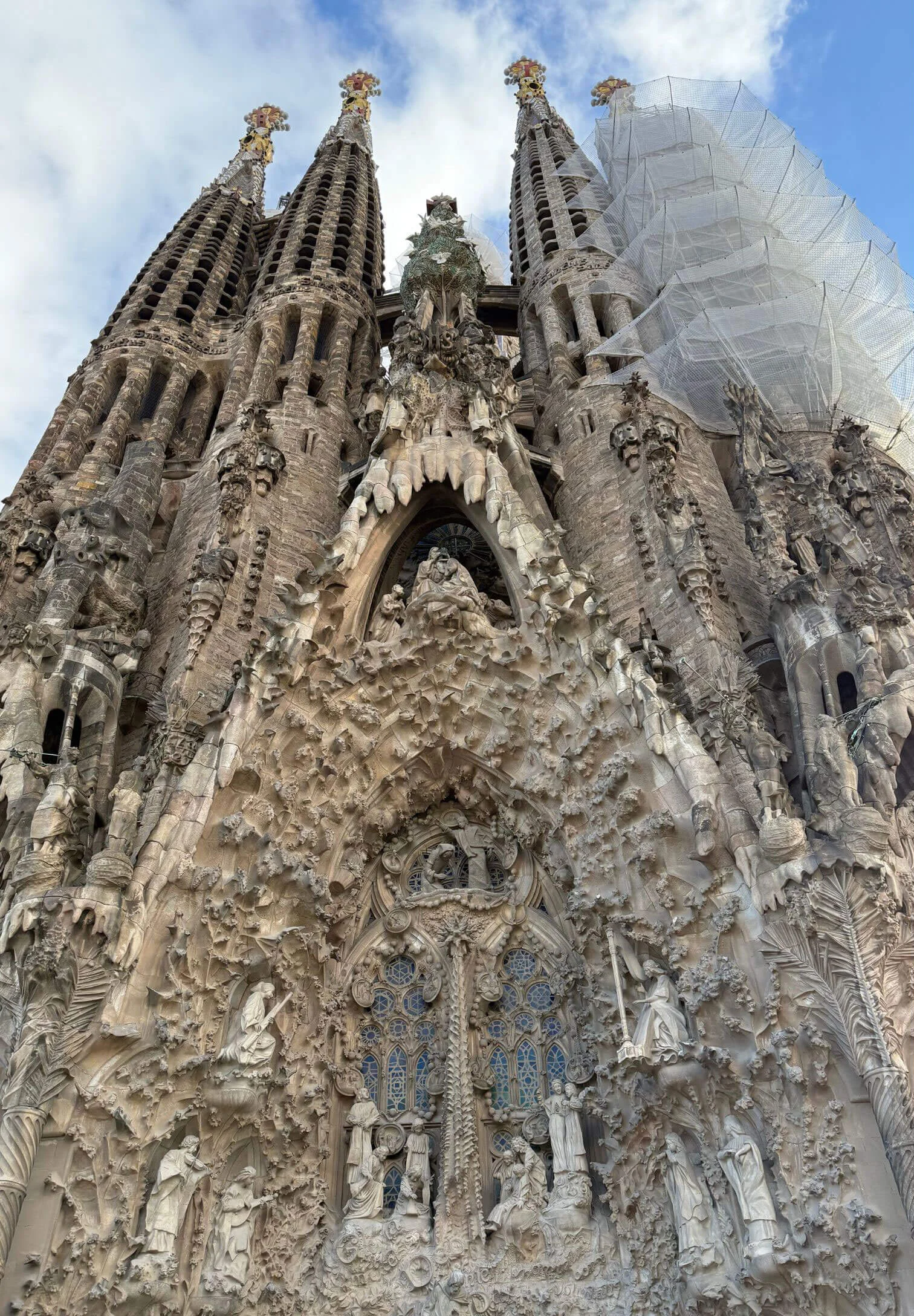
Our visit to Sagrada Familia was incredibly memorable for Jesse and I. Standing in the presence of a structure that represents the life’s work of Antoni Gaudí, with construction spanning across centuries, evokes feelings of admiration for the sheer scale and level of detail, and for the commitment of so many people over the years.
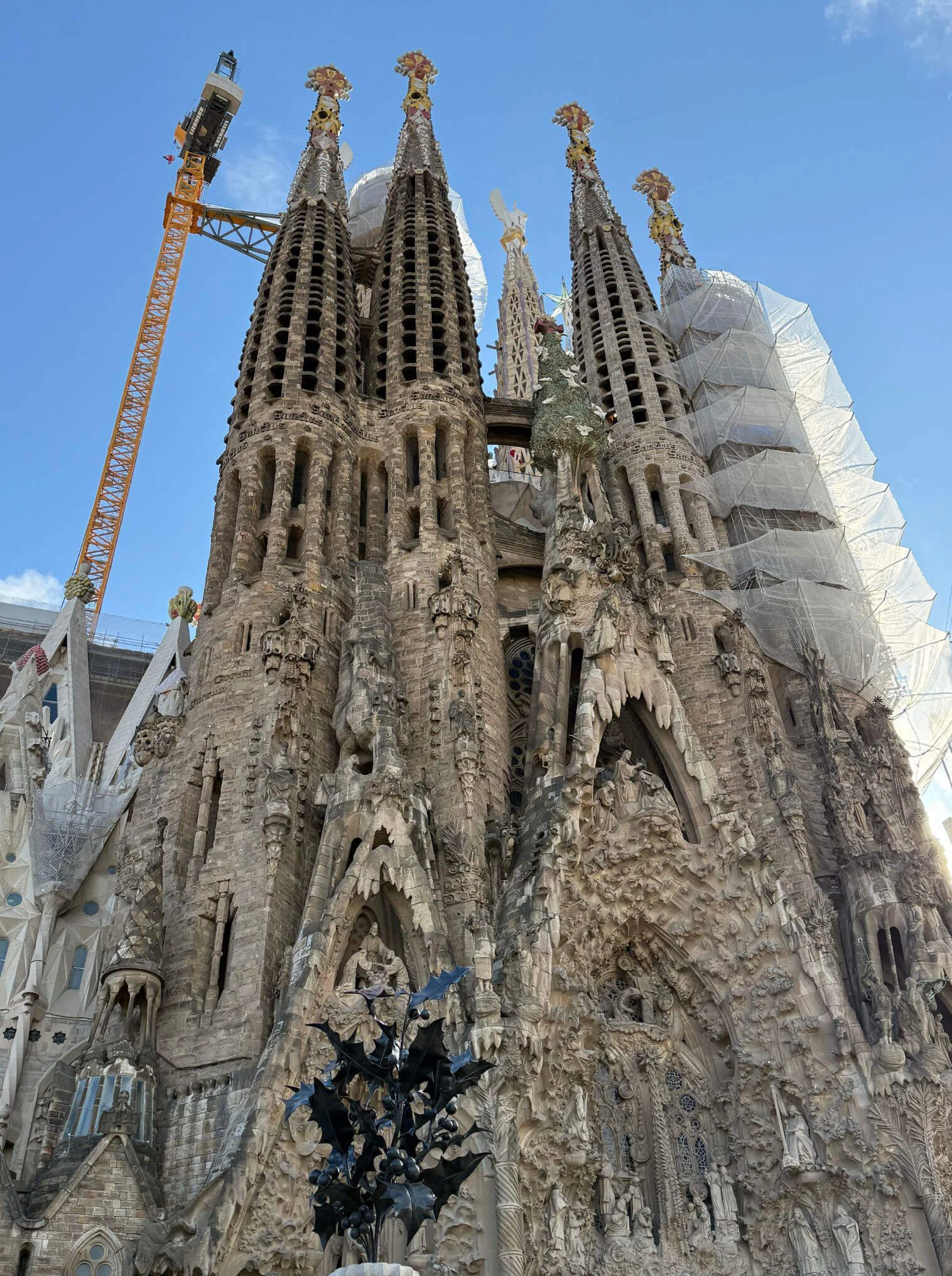
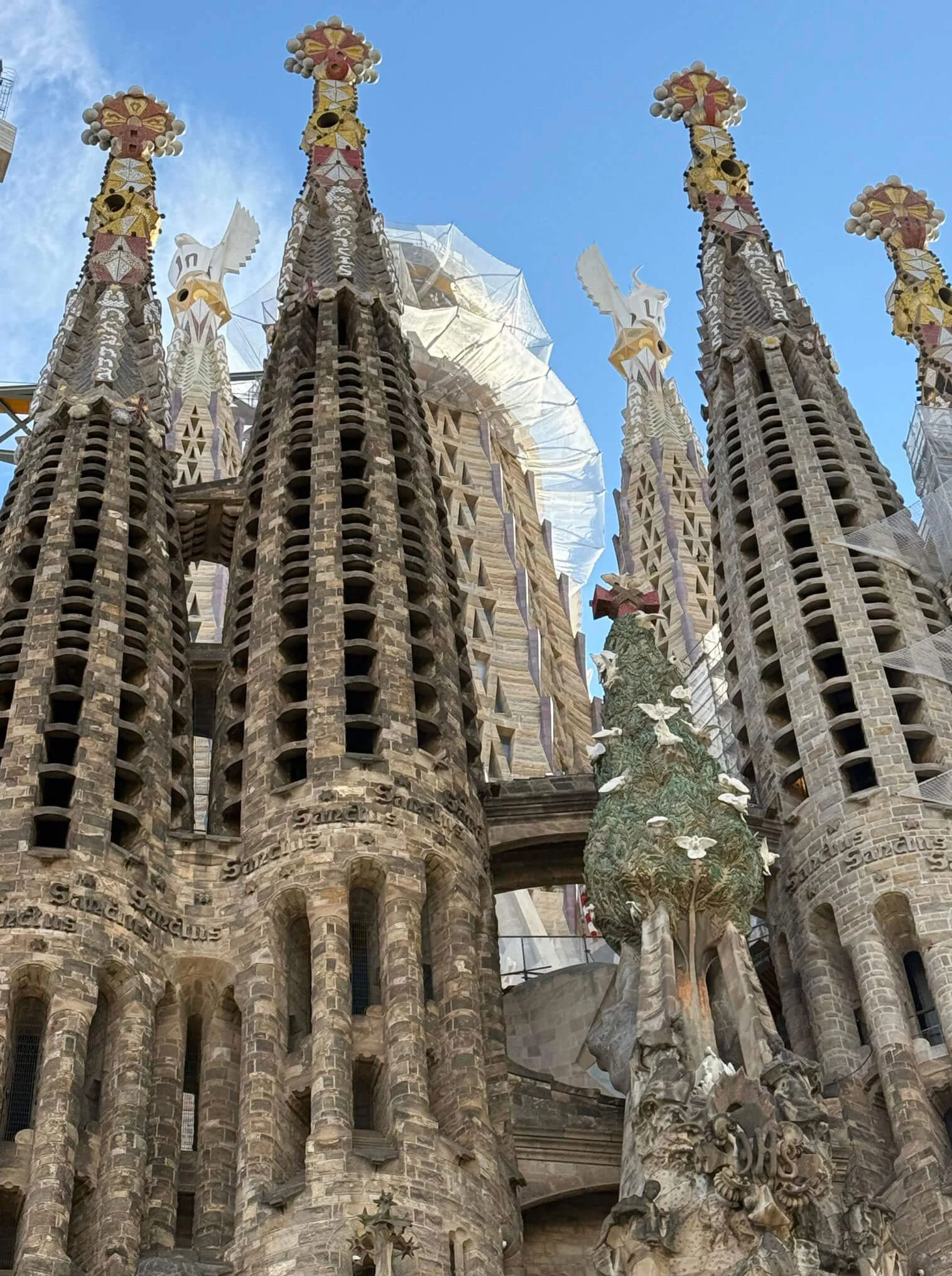
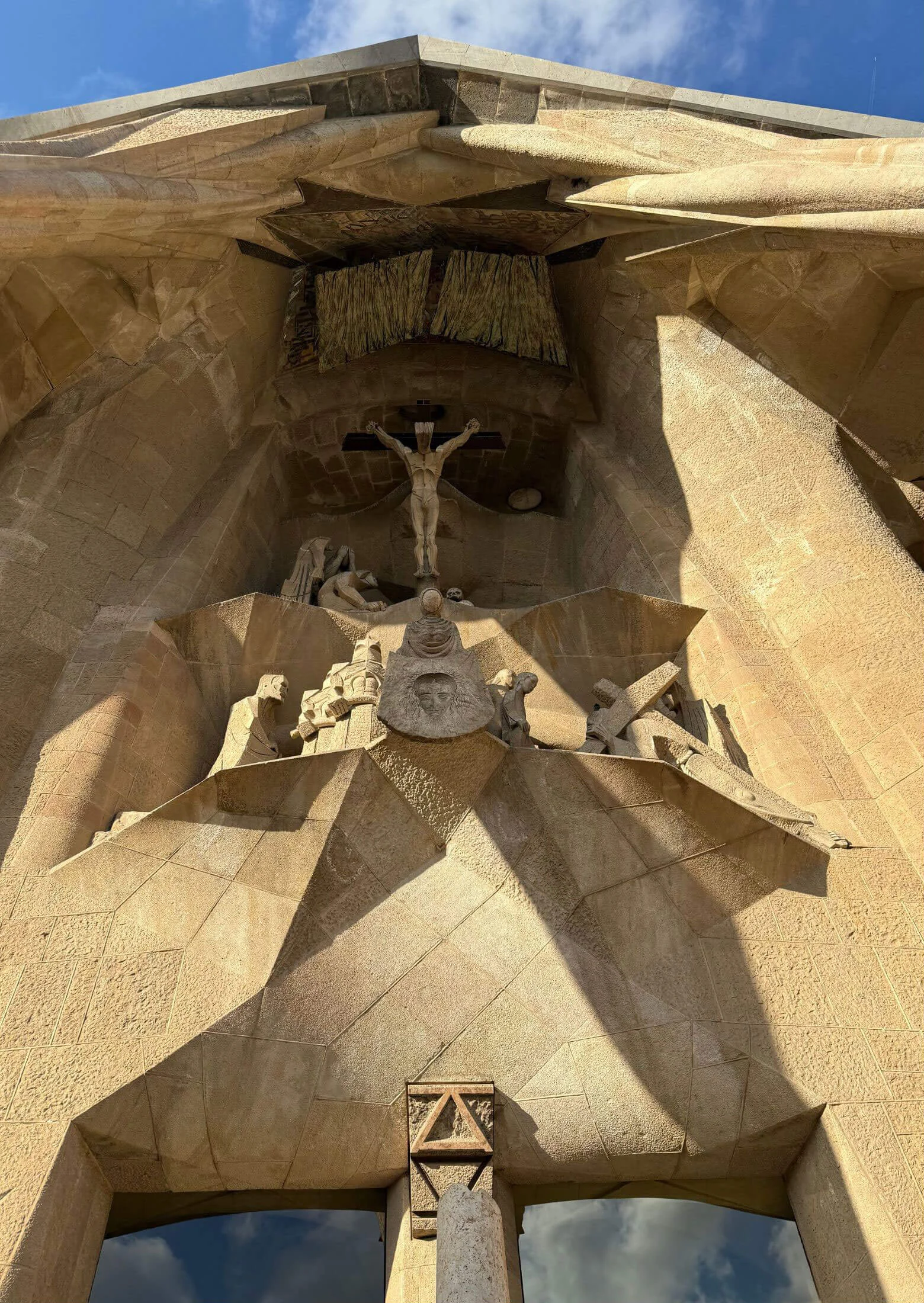
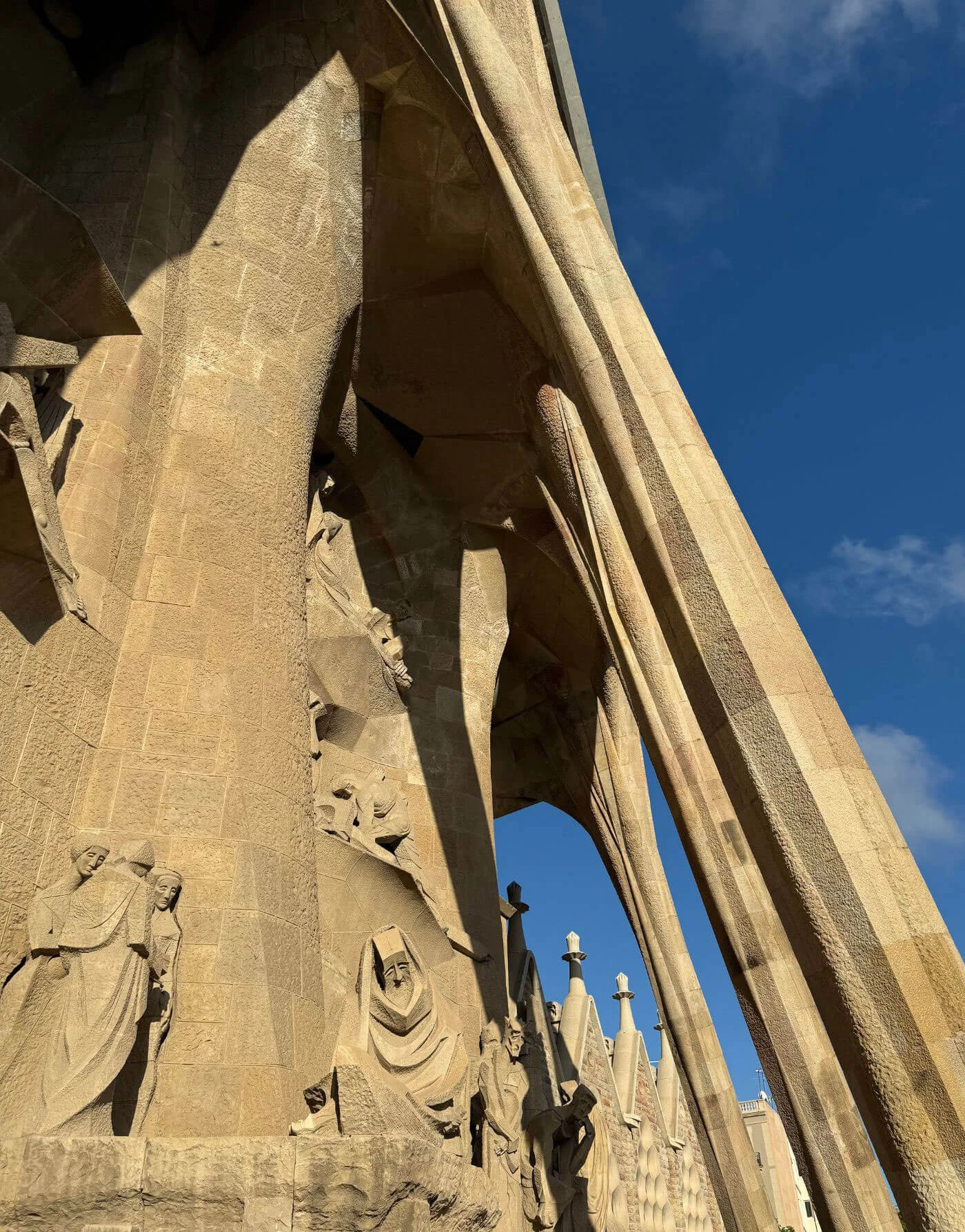
We had the pleasure of visiting twice: once in 2019 and again during the summer of 2025, when more of the structure was revealed. The intricacy of the masonry details, the imagery, and the sheer size towering over you help you understand why Gaudí’s commitment to this project was so unwavering: the beauty in its unusual form and overwhelming scale.
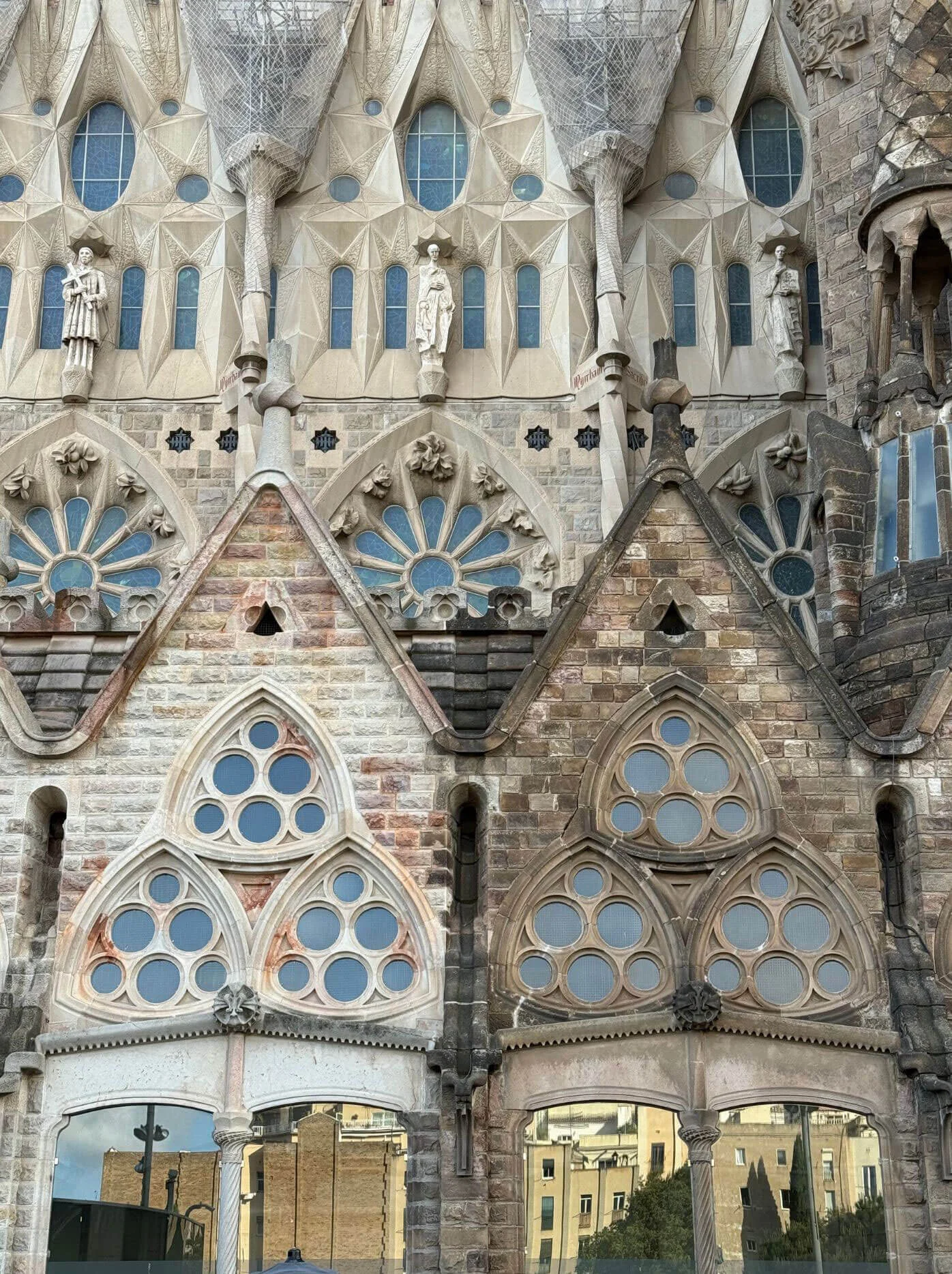
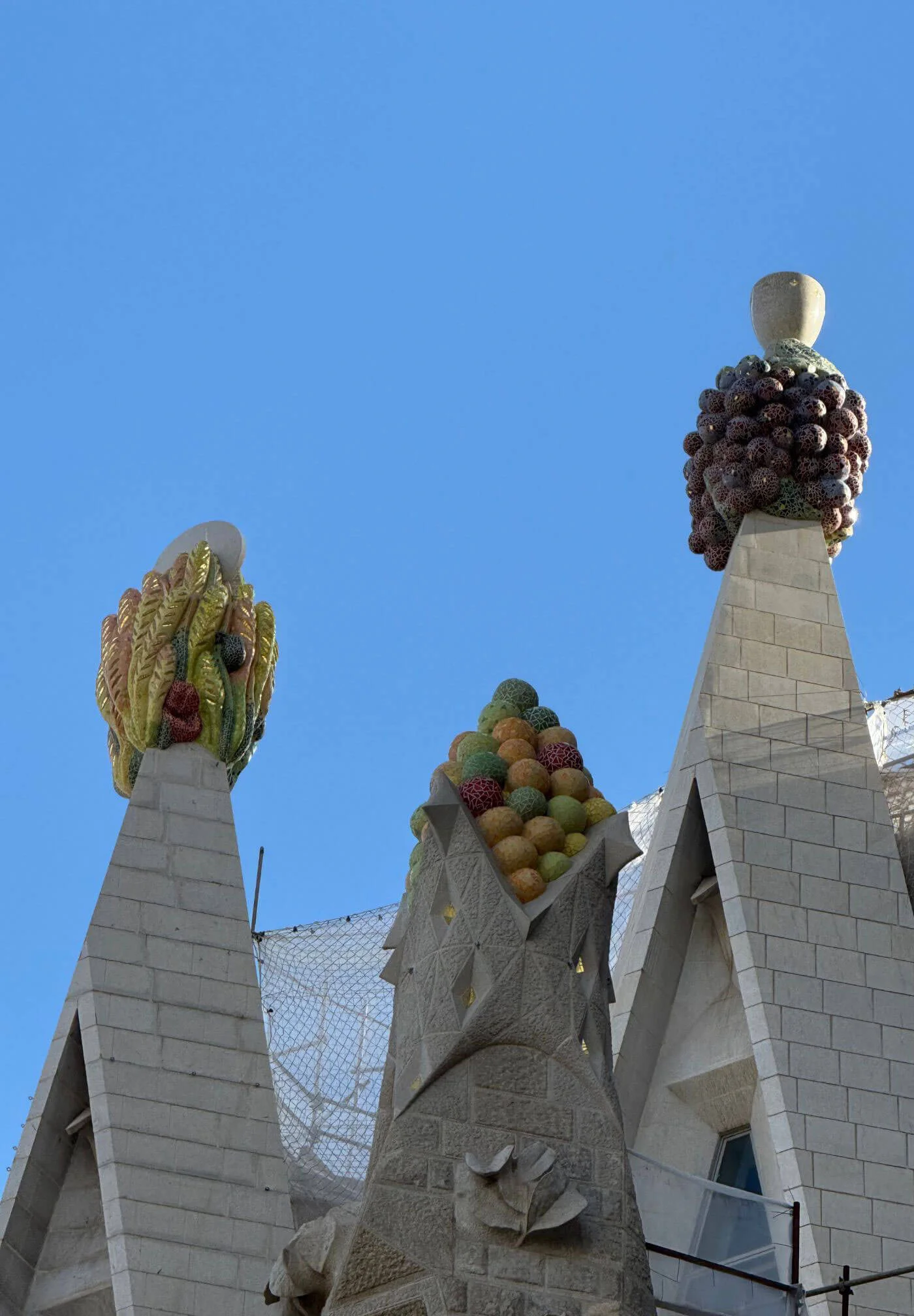
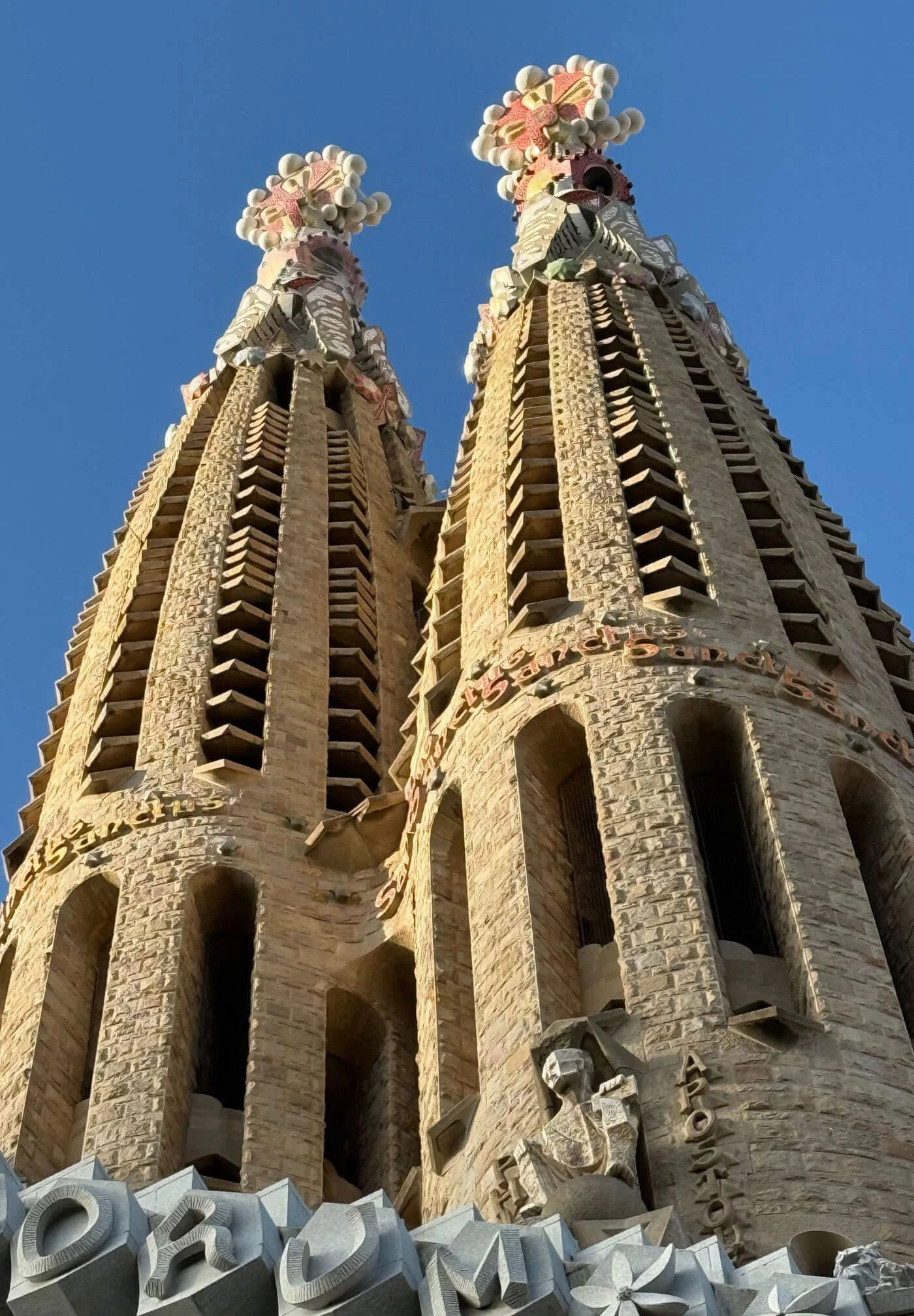
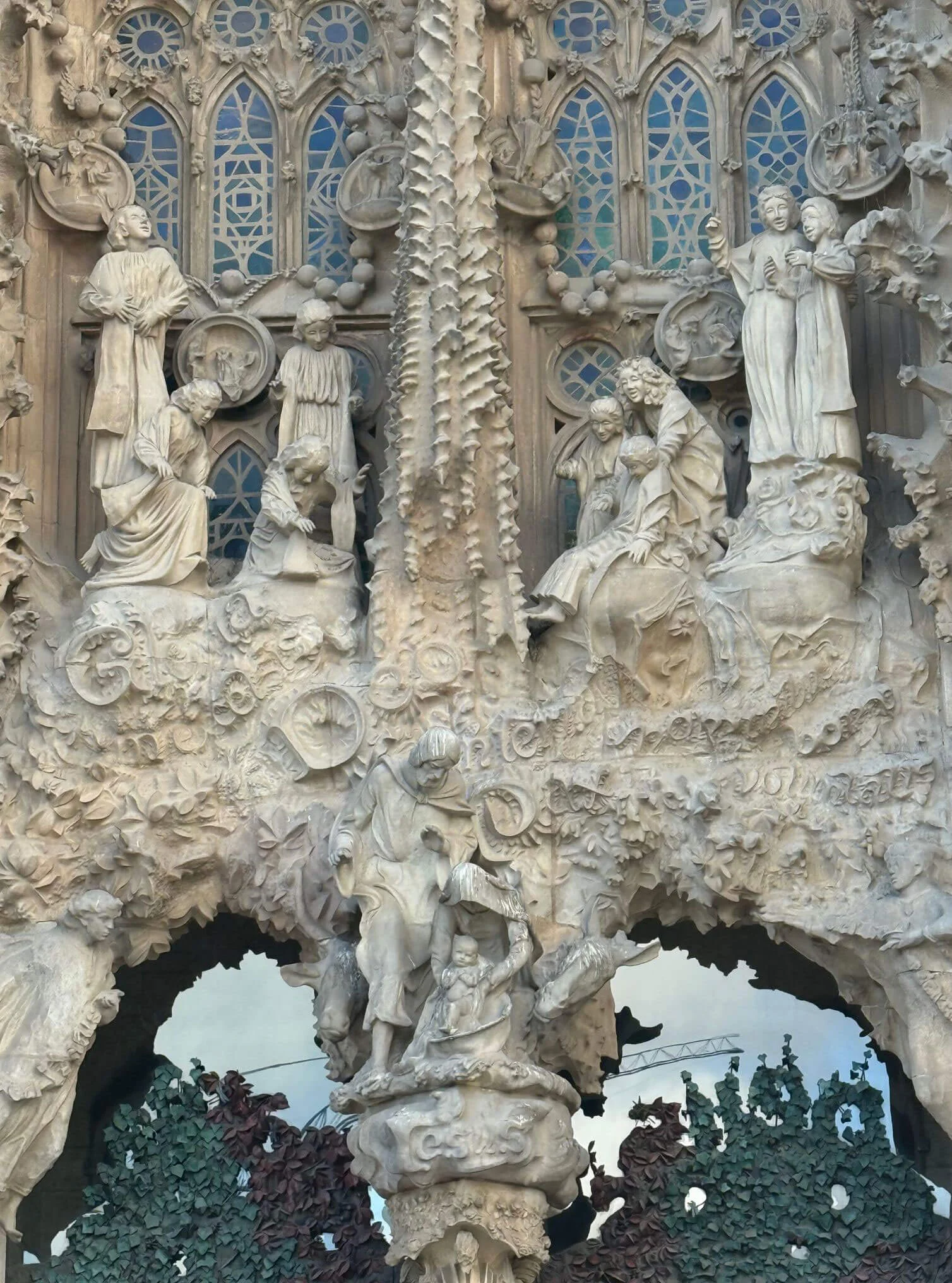
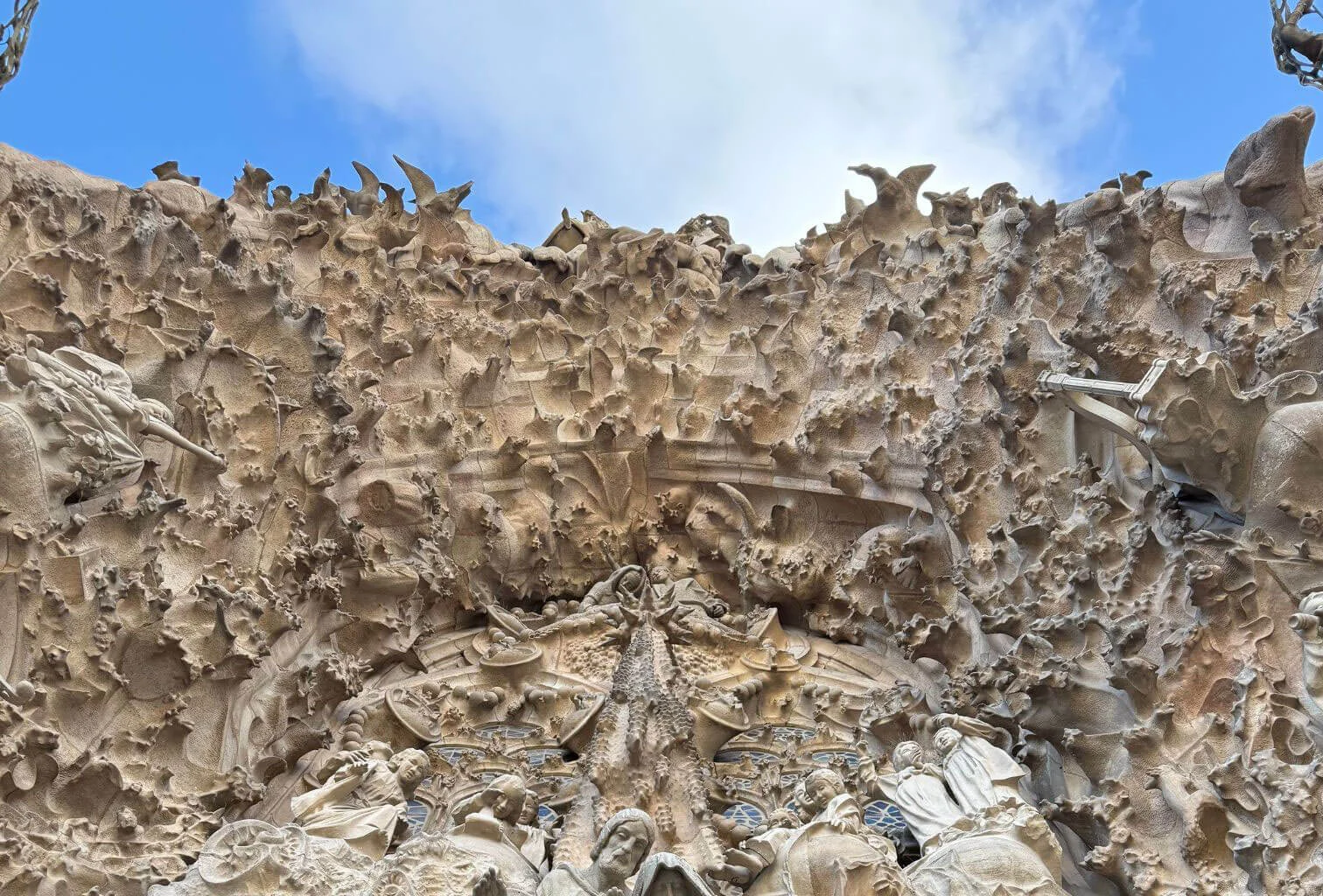
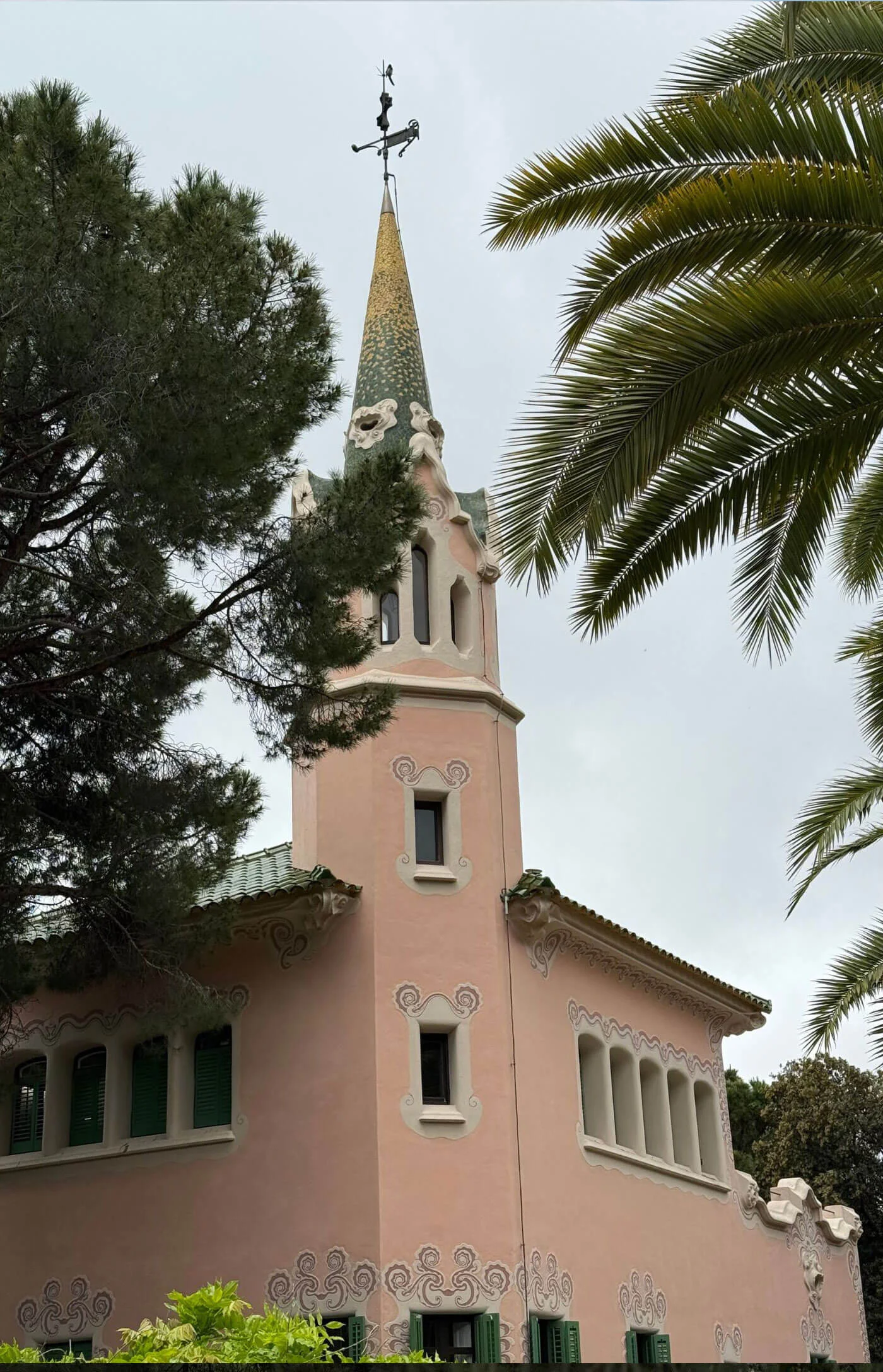
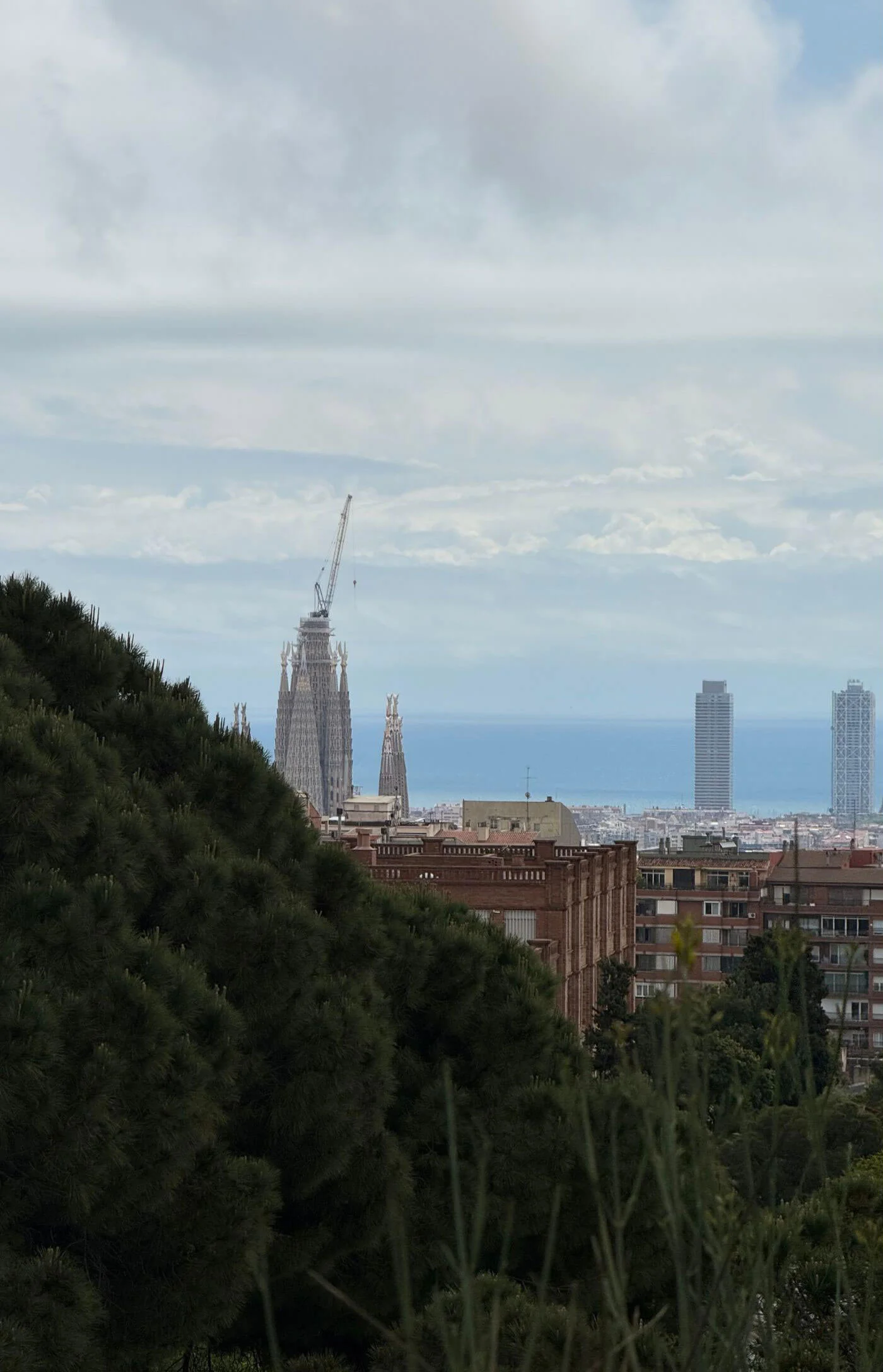
However, it is not until you visit Park Güell that you realize the true depth of the commitment required to bring this to life. Gaudí lived for nearly two decades in a home within the park grounds, a location that allowed him to oversee his greatest creation from afar (seen in slides 8 and 9). This life commitment is inspiring and a great example of what can be achieved by the consistent commitment and will of one man.
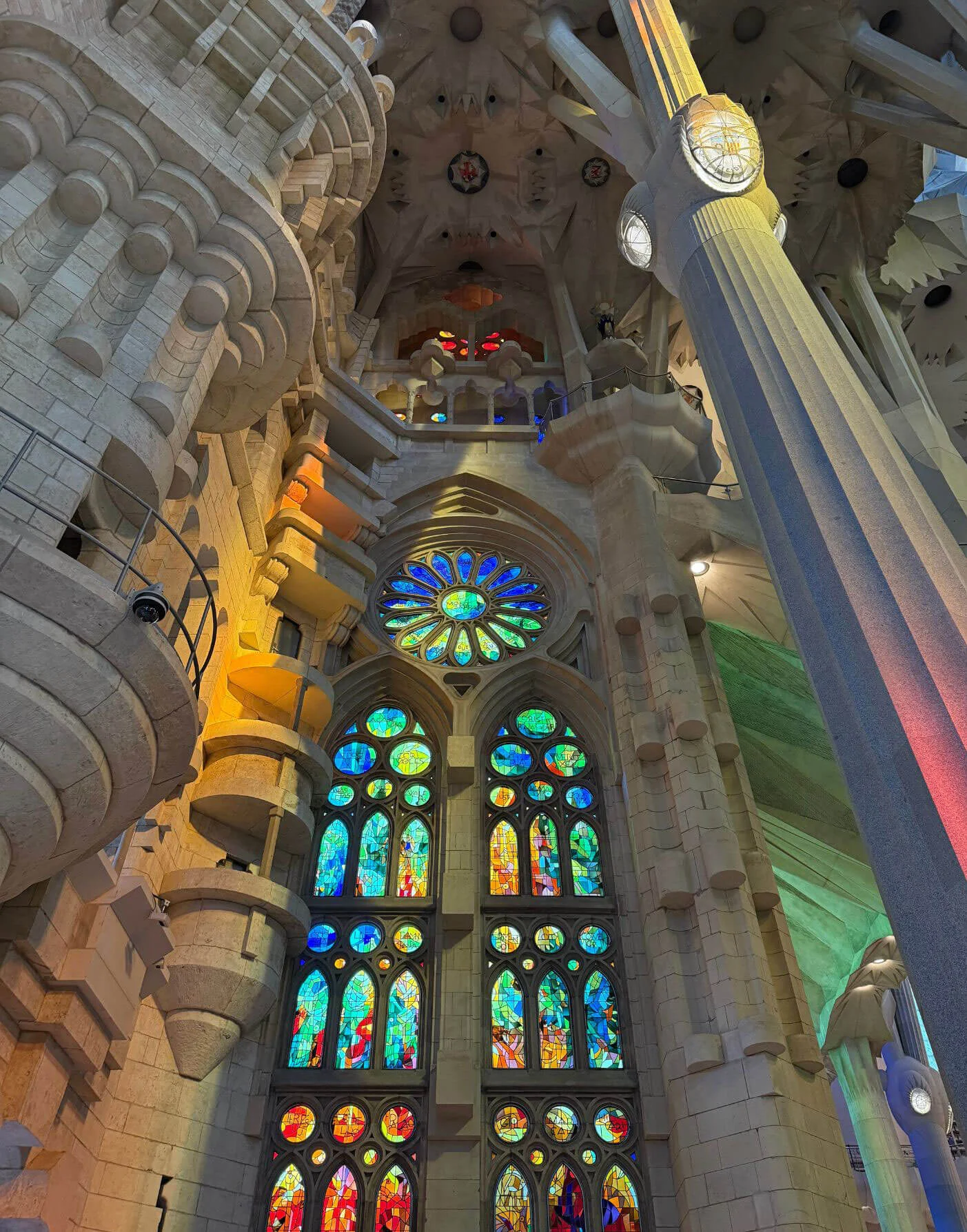
When Gaudí took over the project, his intention was to create a living stone forest on the interior. The massing is dauntingly tall, utilizing branching, tree-like columns instead of traditional heavy buttresses to draw the eye upward and evoke a sense of awe. Every element throughout the interior feels thoughtful, grand, connected to nature through its form, and absolutely impressive when you appreciate the size and question how it was built.
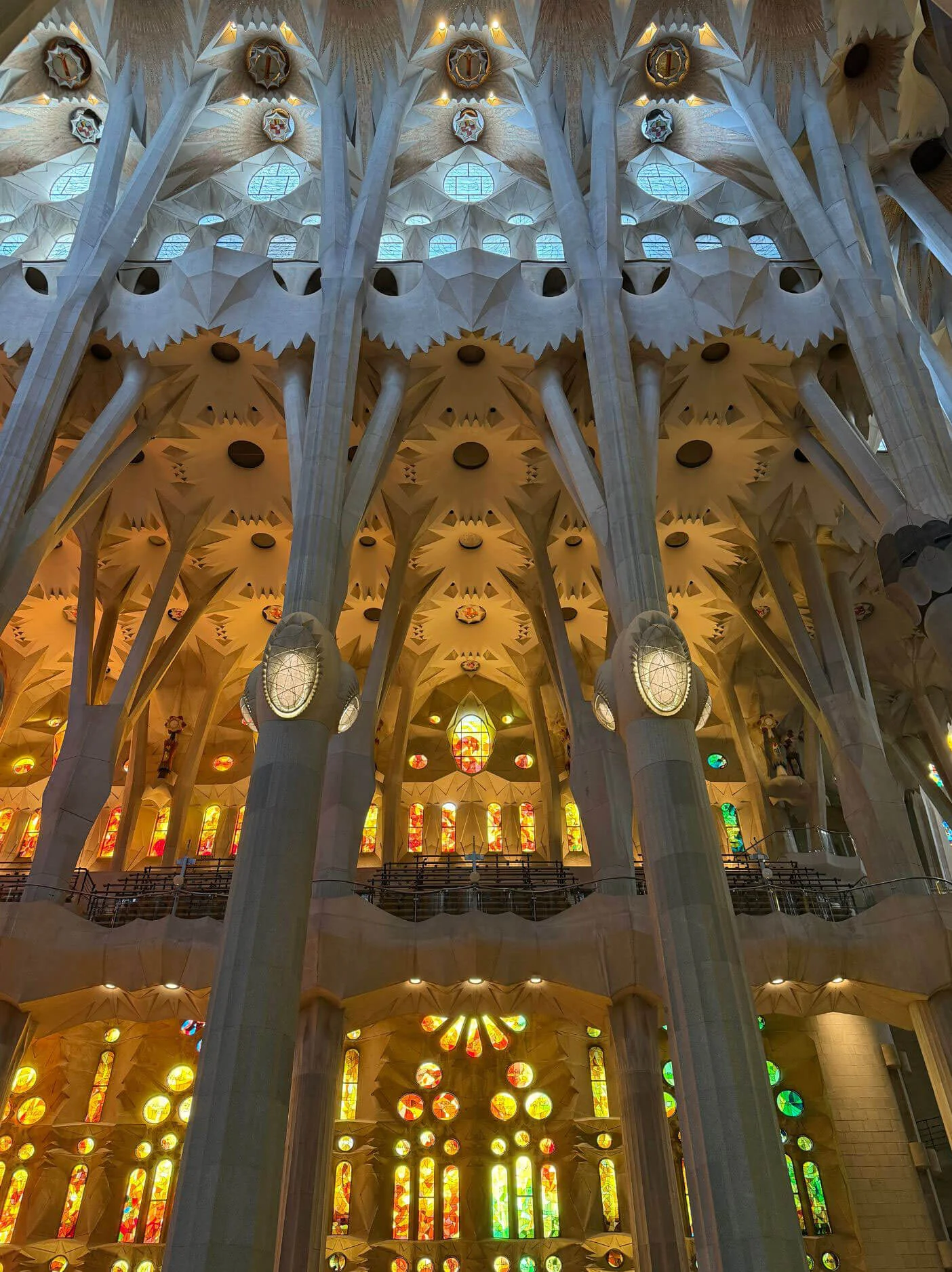
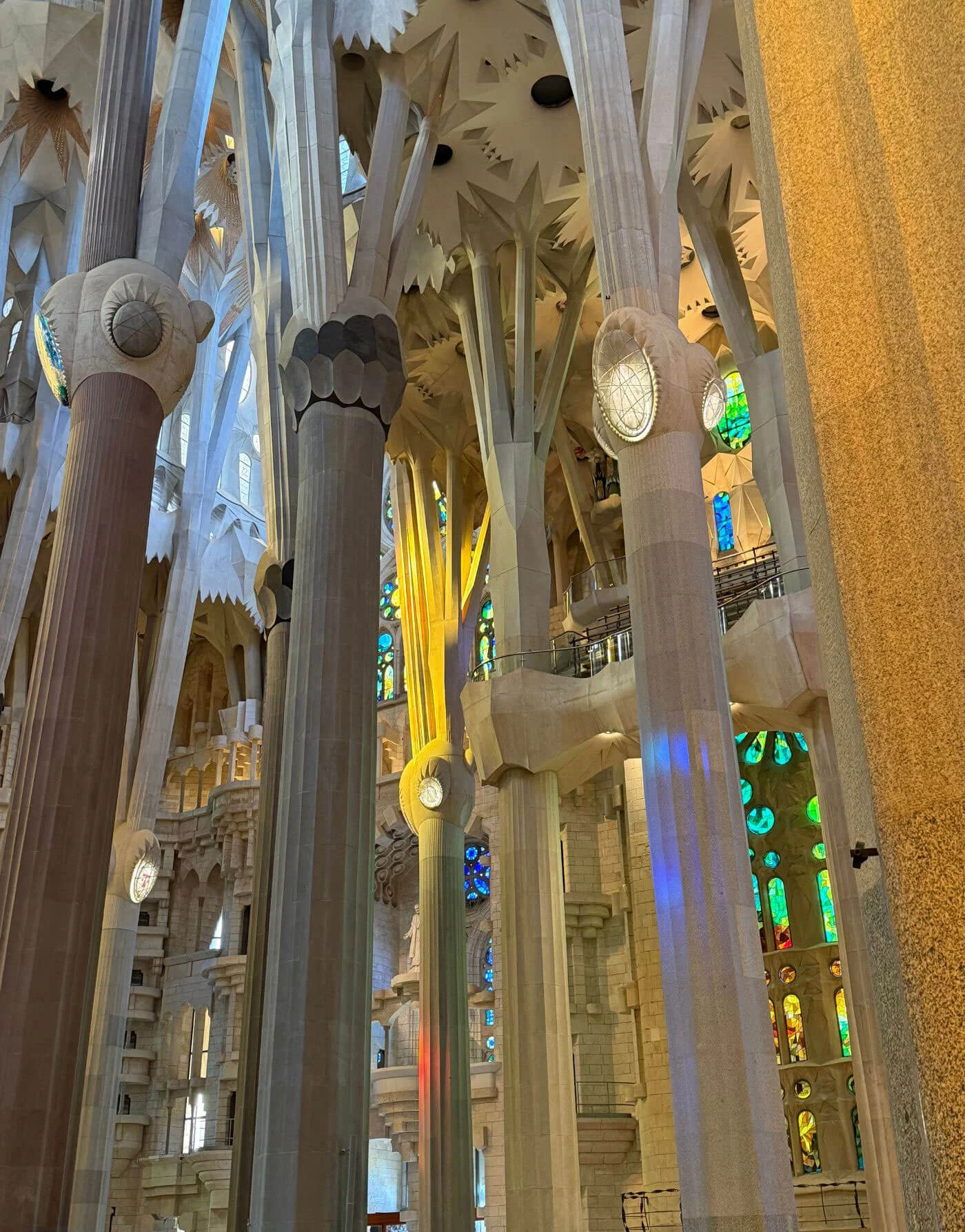
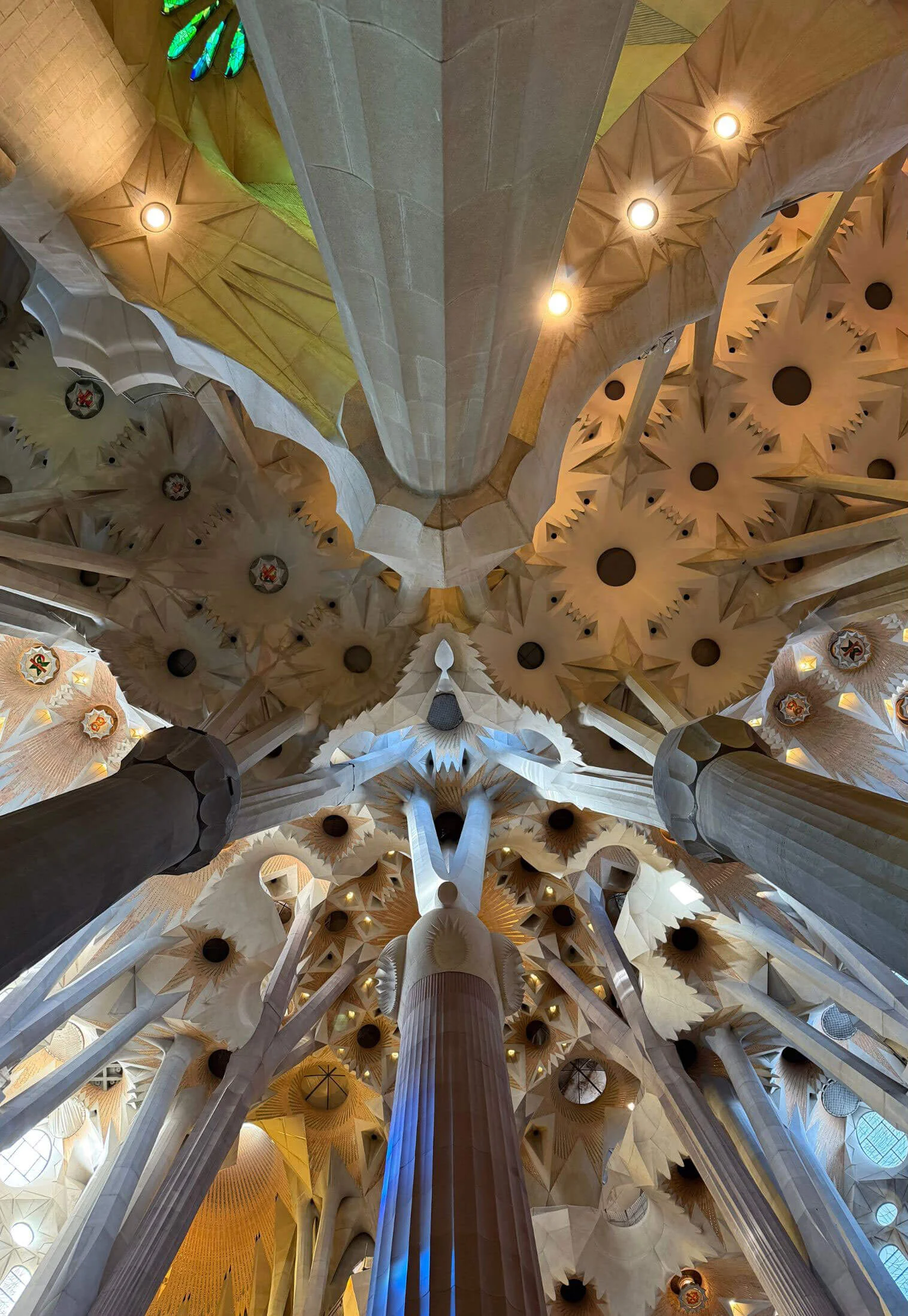
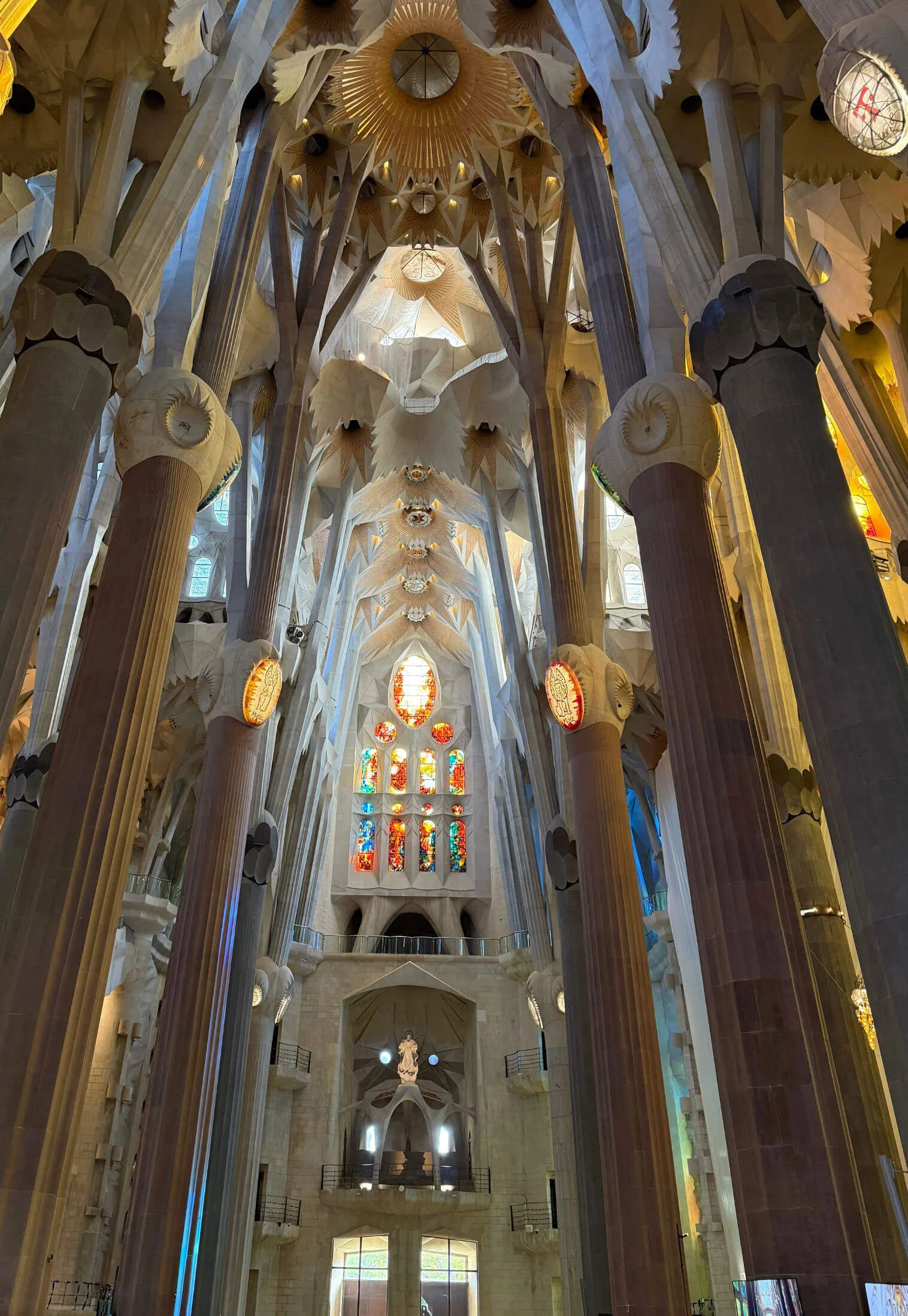
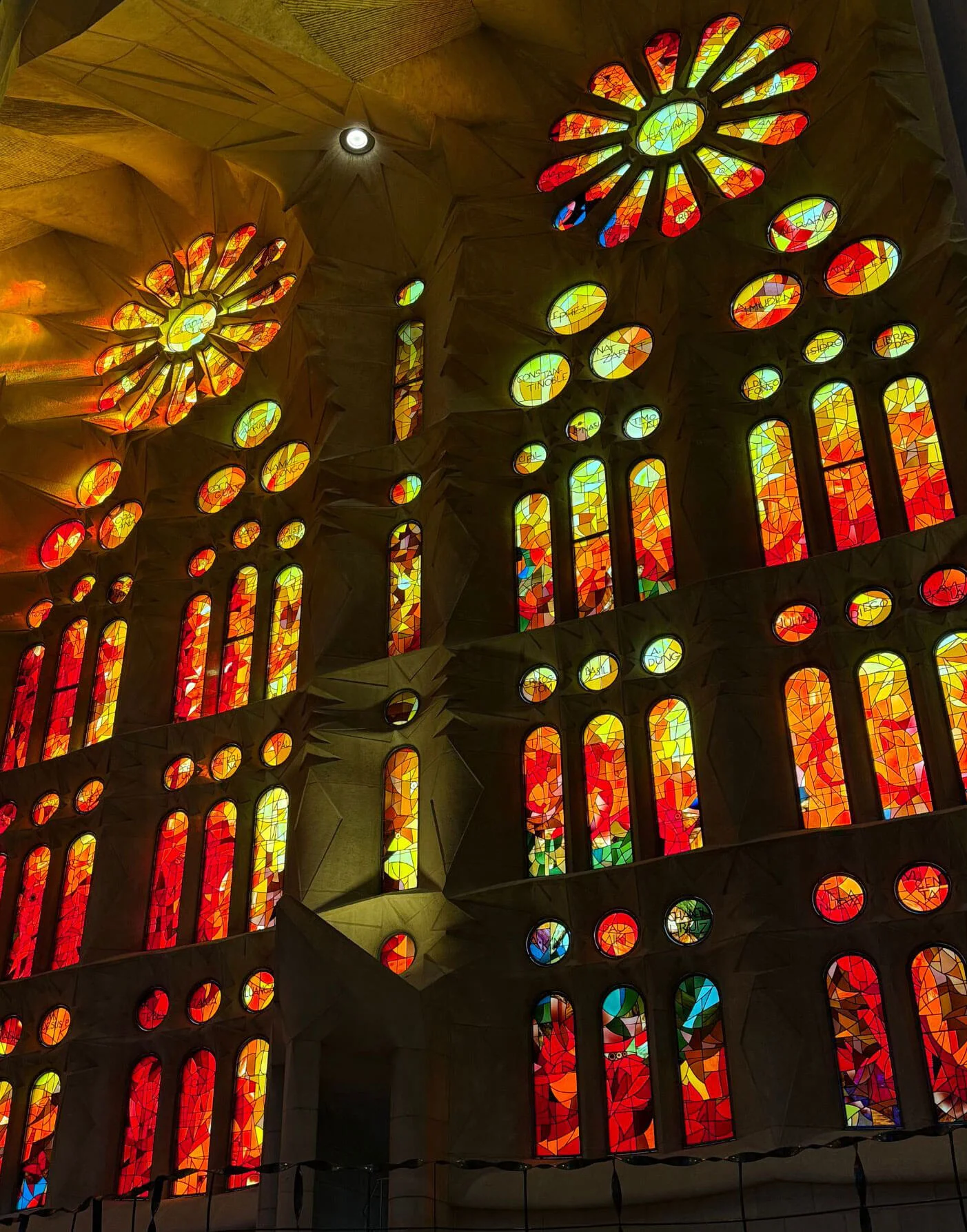
Because his branching columns carried the weight of the towering roof, Gaudí opened up the exterior walls far more than his predecessors. The window-to-wall ratios are massive, allowing for expansive stained glass installations where sun control was a major part of his artistic process.
He positioned cool-toned glass on the eastern facade to capture the morning light, and warm-toned glass on the western facade to capture the setting sun. Check out the photos we captured of the evening light filtering through the warm-toned glass.