Artist spotlight Gertrude Jekyll
ARTIST
SPOTLIGHT
GERTRUDE JEKYLL
A MASTERMIND OF
GARDEN ARCHITECTURE
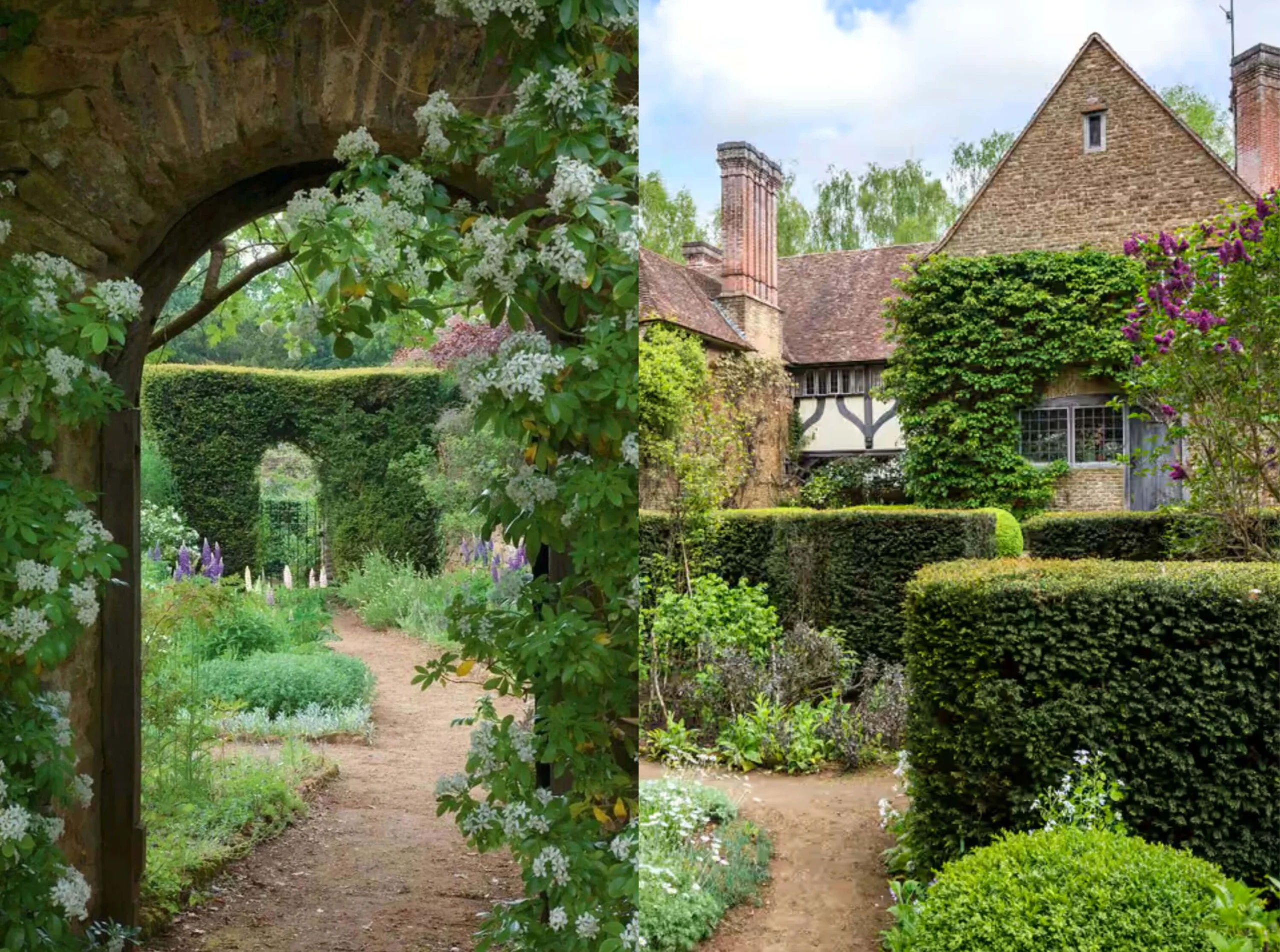
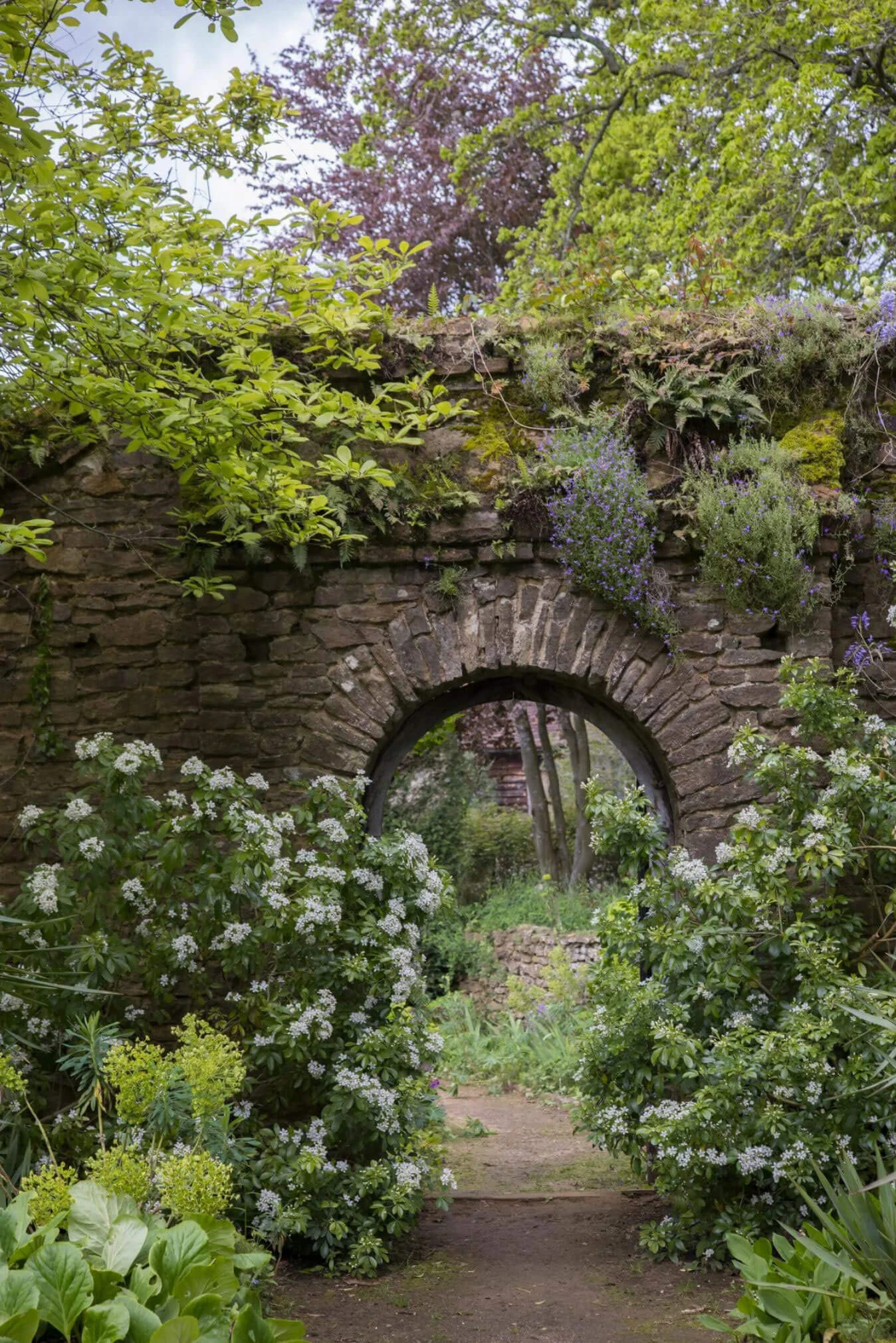
When we speak of design that transcends time, few names resonate quite like Gertrude Jekyll. Known for her masterful approach to garden design, Jekyll’s work redefined the relationship between architecture and nature, crafting spaces that were not merely decorative but deeply experiential. Walking through her landscapes, one immediately senses how she sculpted living canvases with a deliberate balance of color, texture, and form. Her ability to seamlessly integrate structure and landscape continues to offer lessons in how design can be both grounded and profoundly emotive, shaping the way we think about creating environments that are meant to be lived in and felt.
“THERE IS NO SPOT OF GROUND,
HOWEVER ARID, BARE, OR UGLY,
THAT CANNOT BE TAMED INTO
SUCH A STATE AS MAY GIVE AN
IMPRESSION OF BEAUTY AND
DELIGHT.”
EARLY ROOTS
AS AN ARTIST
Gertrude Jekyll’s journey into design began with an early foundation in the arts. Born in London in 1843, she pursued formal training as a painter at the South Kensington School of Art, where her understanding of colour, form, and composition was shaped. It was only later, as her eyesight began to fail, that her focus shifted from painting to plants—though she carried her painter’s sensibility into every garden she designed. This artistic background set her apart, allowing her to treat gardens as living works of art, with borders composed like brushstrokes and landscapes layered with the same discipline and intuition as a master canvas.
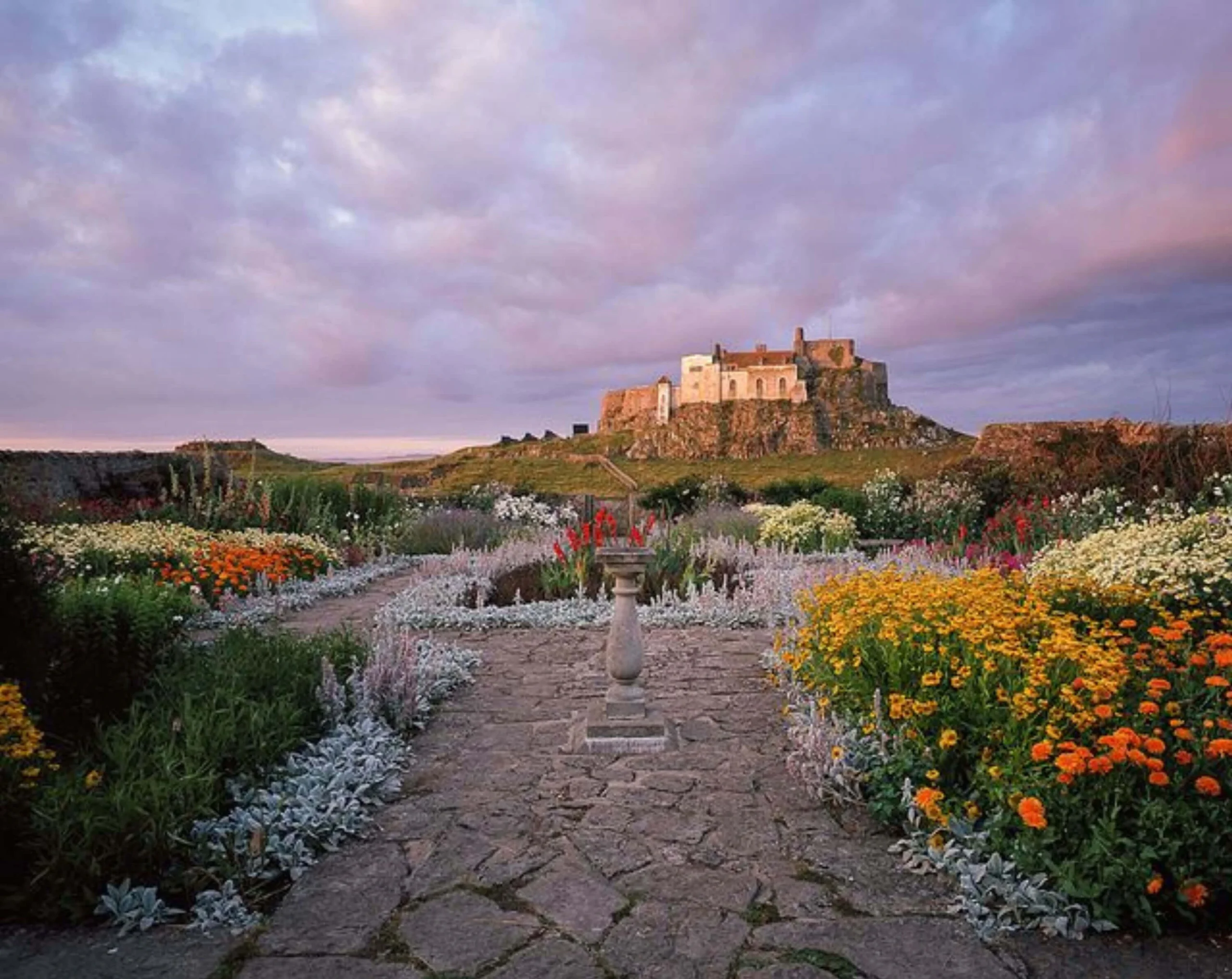
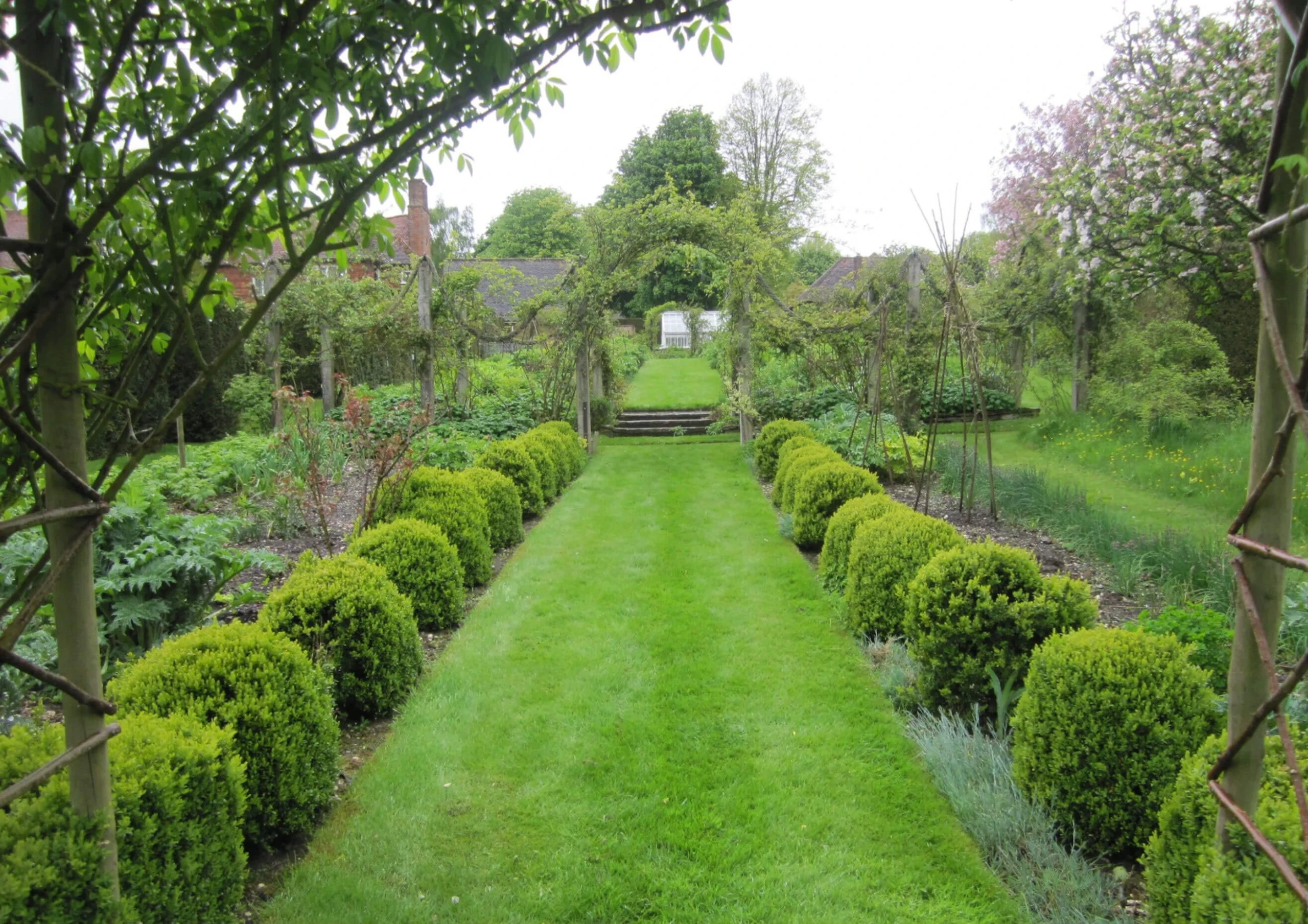
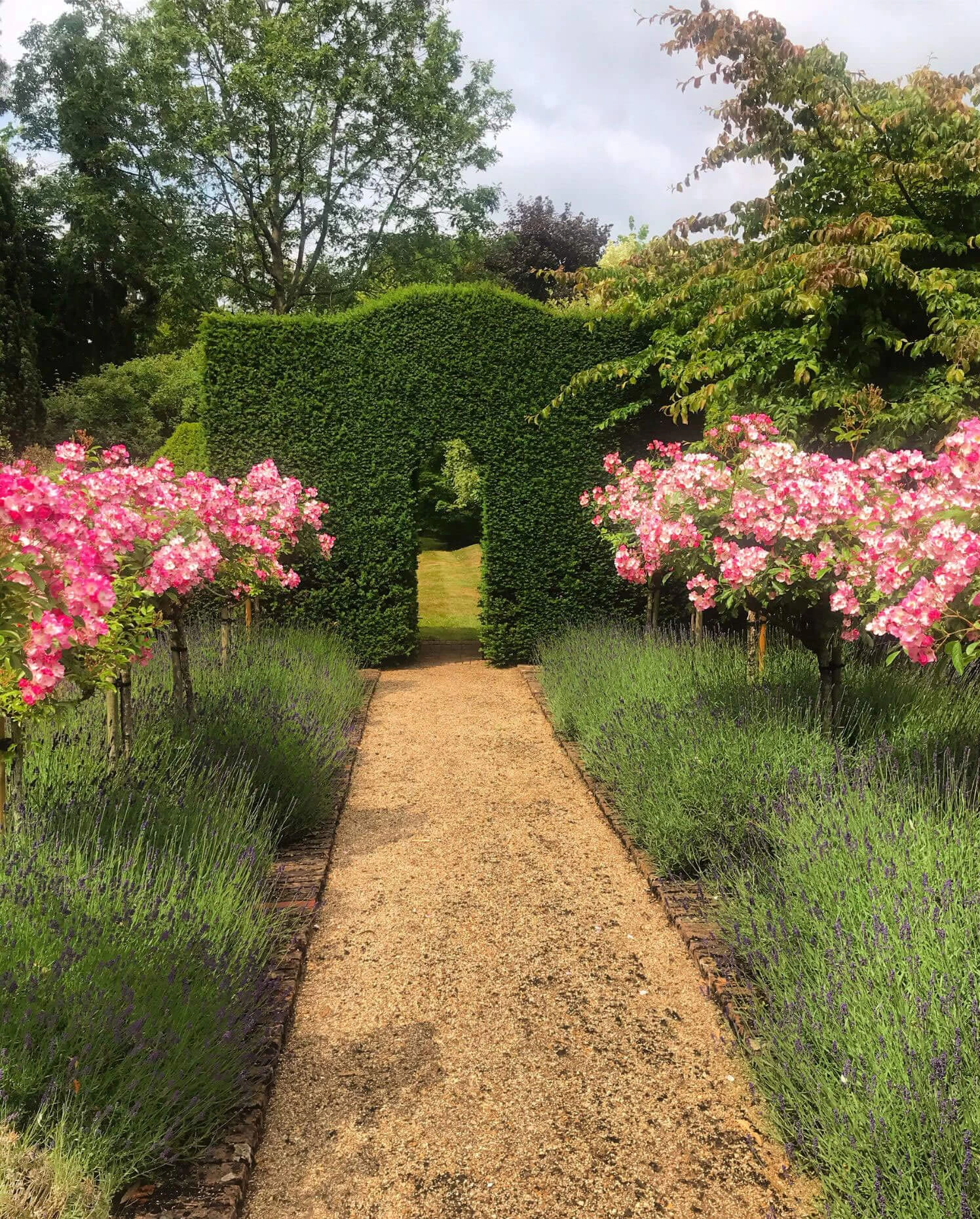
Her gardens were never solely about the plants themselves; they were about the spaces those plants shaped. She emphasized the journey through a landscape, how a narrow path would frame a glimpse of an open meadow, or a cluster of trees would unveil a hidden garden room. The guiding principle was always the experience of the place—how it unfolded, shifted, and lingered in the memory.
A POWERFUL DUO
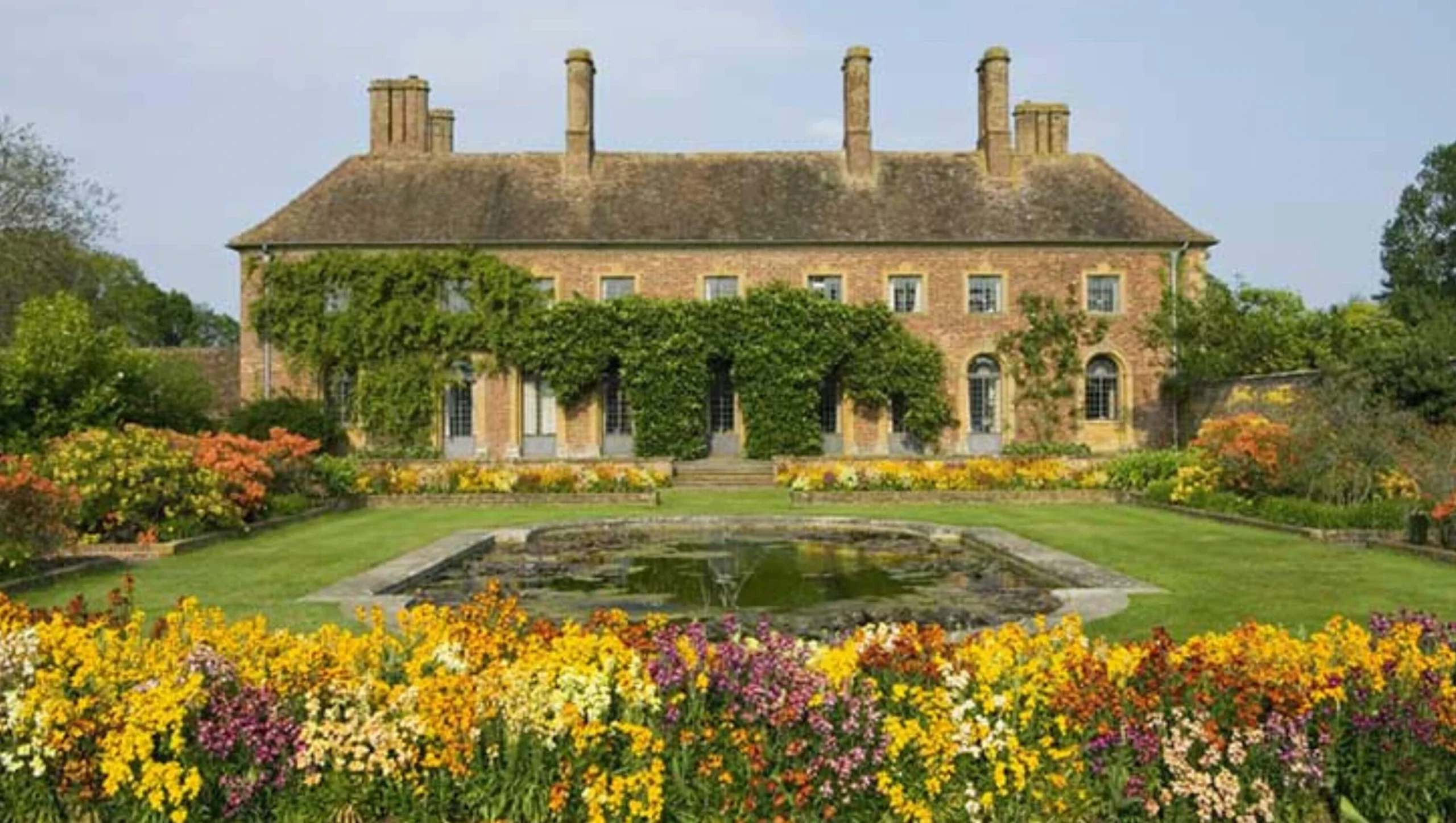
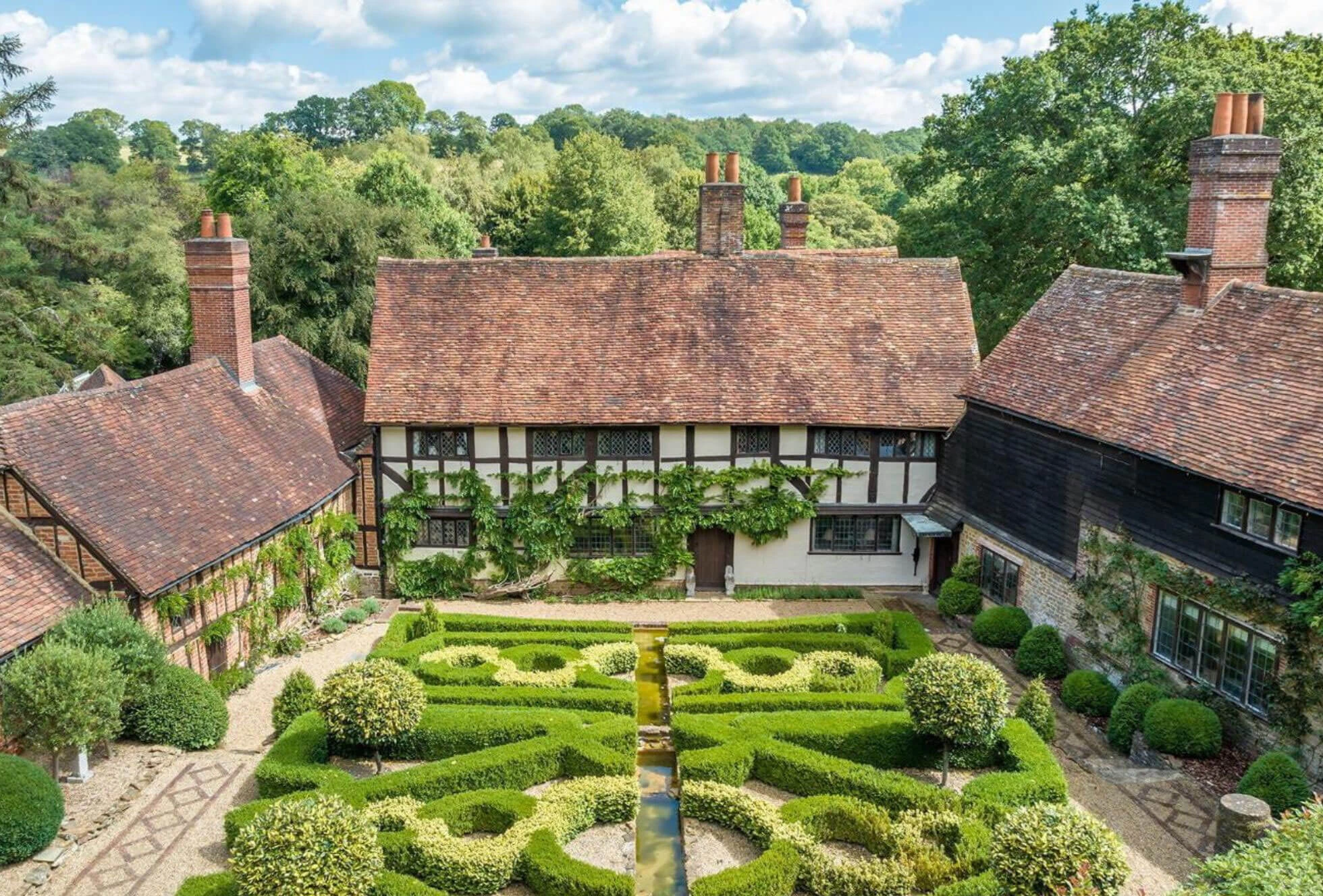
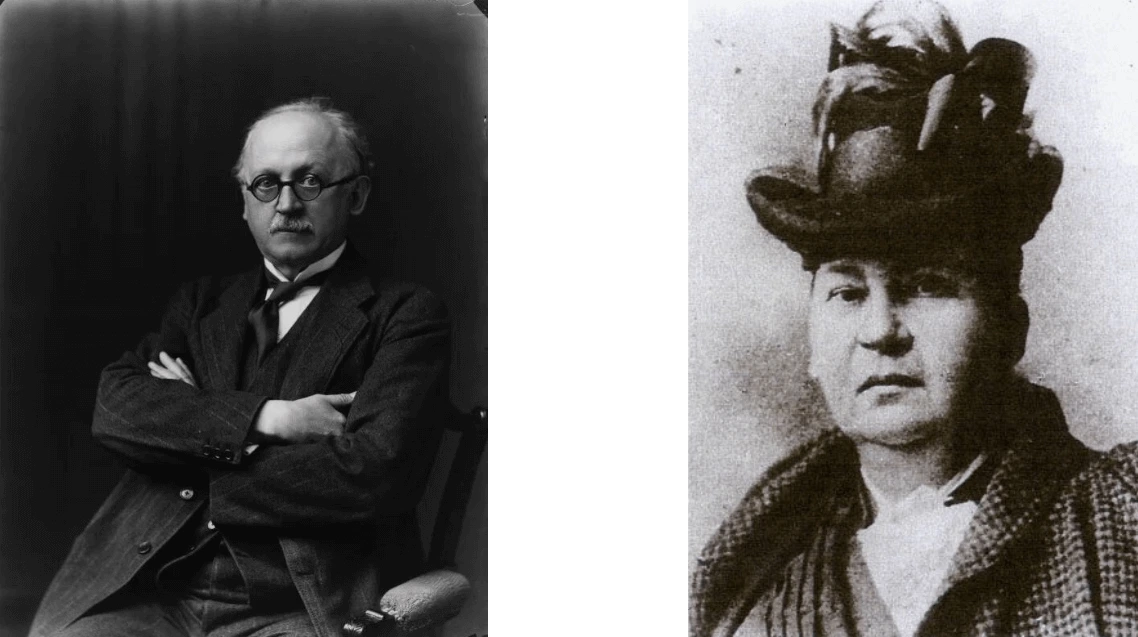
Among the most celebrated aspects of Jekyll’s career was her collaboration with architect Sir Edwin Lutyens. Together, they developed properties where house and garden were not treated as separate commissions, but as parts of a larger whole. Jekyll’s planting plans softened the formal structures of Lutyens' architecture, and his designs gave her gardens a framework that anchored their abundance.
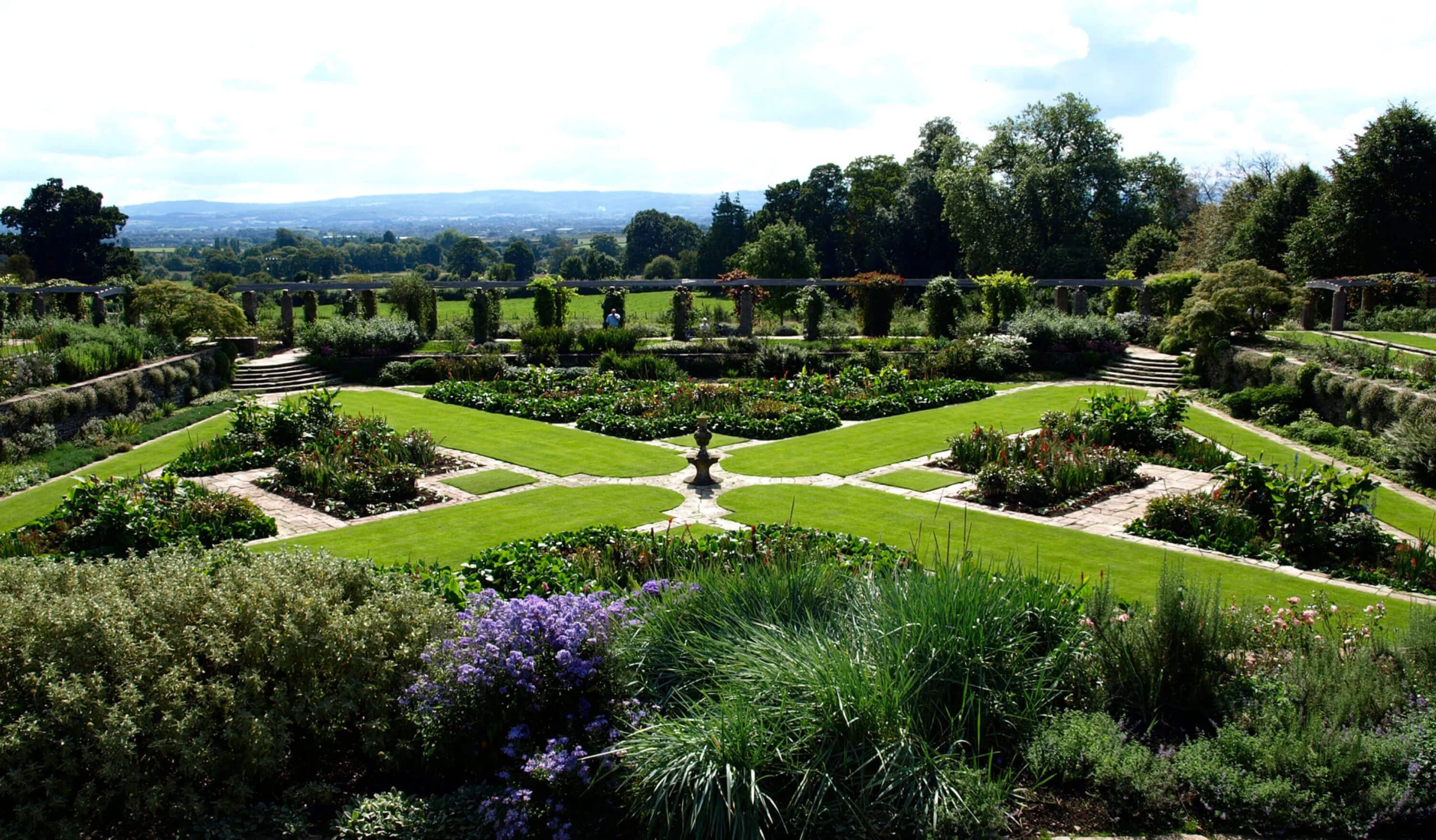
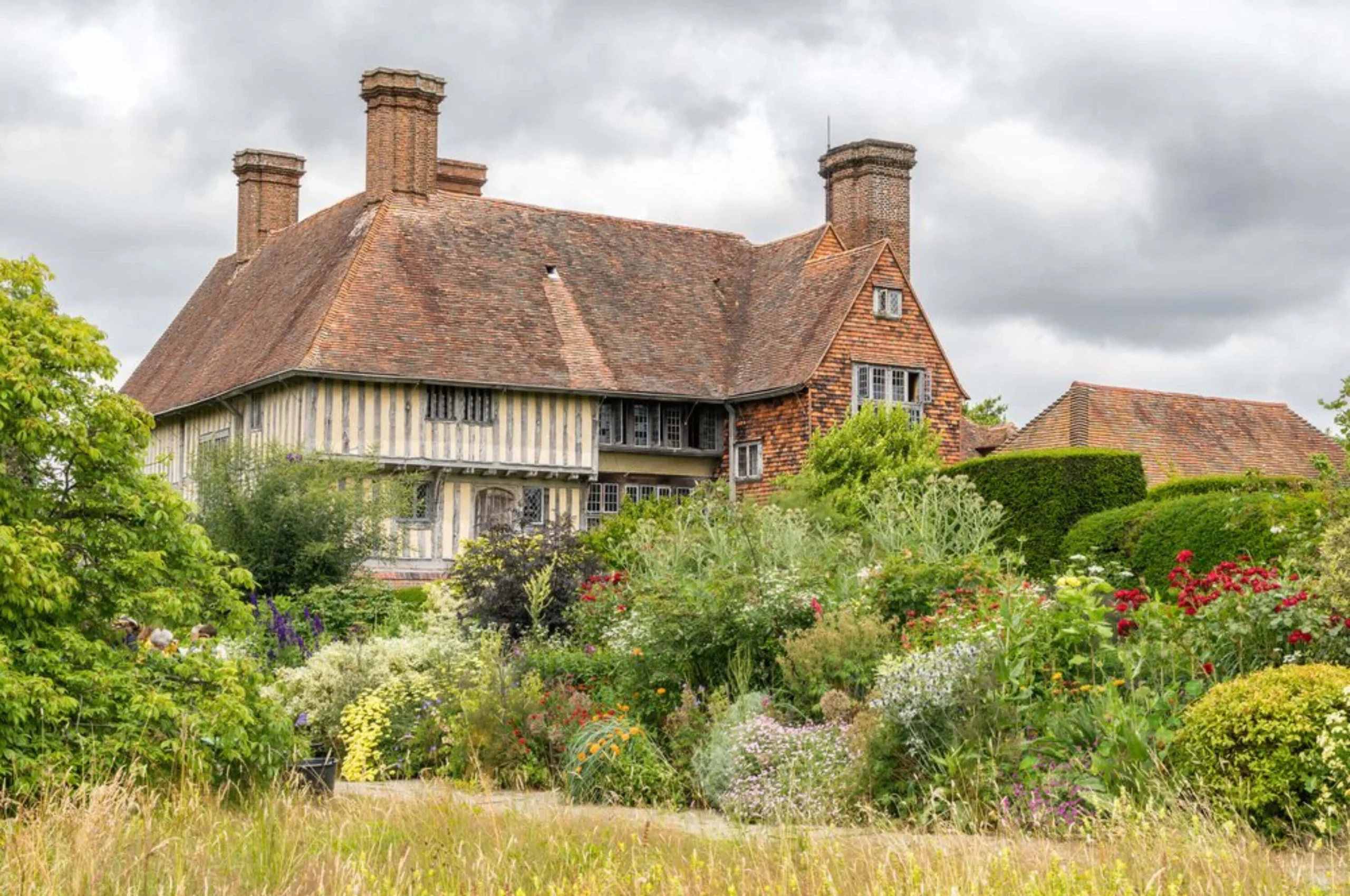
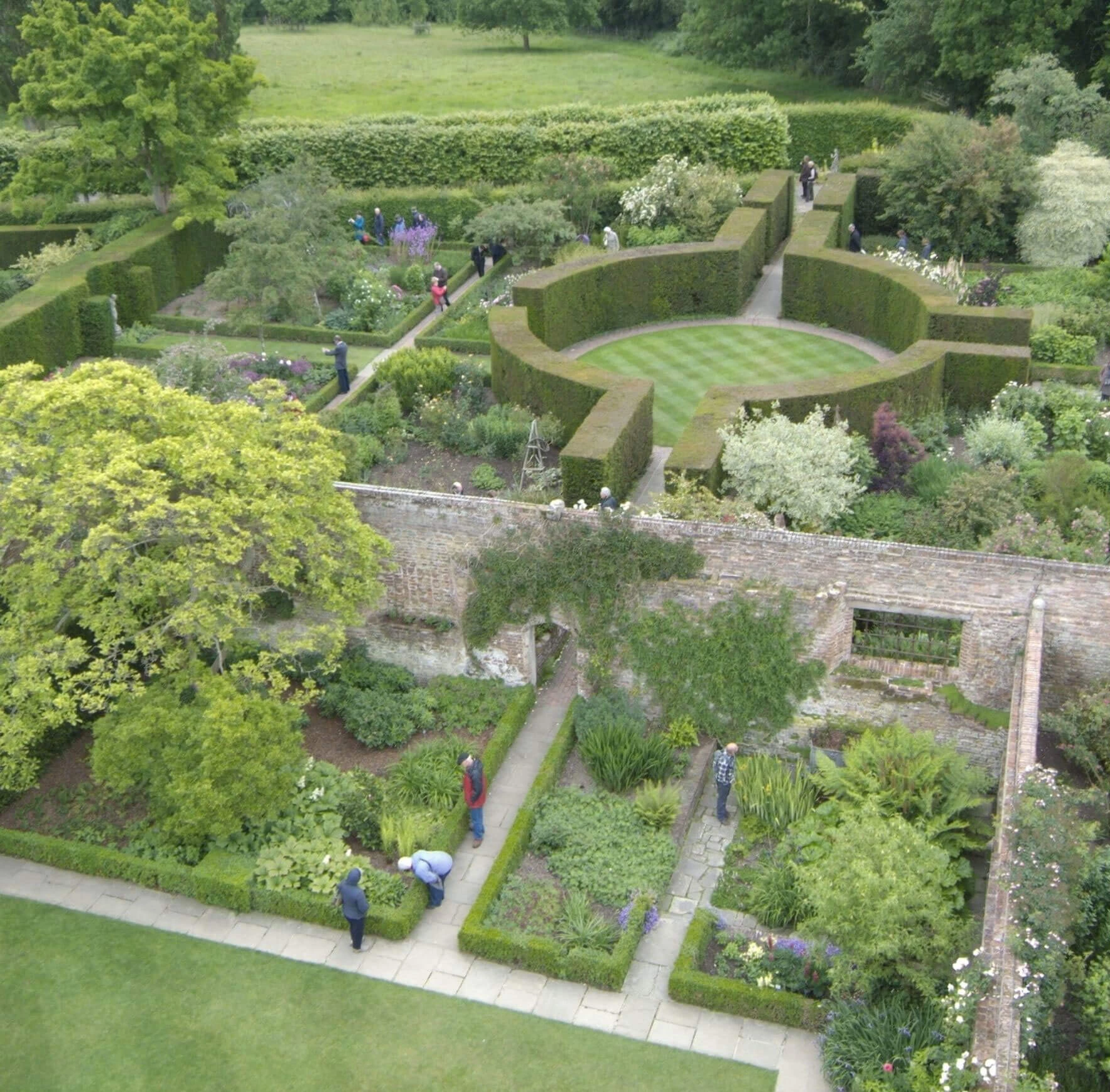
Projects like Munstead Wood (her personal home) and Hestercombe Gardens stand as enduring examples of this partnership. Strong stone pathways would dissolve into wild, textural planting; carefully proportioned walls framed meadows in bloom. The dialogue between built form and planting created spaces that felt both deliberate and effortlessly organic—a balance that continues to offer a model for integrated, thoughtful design.
Through this collaboration, Jekyll demonstrated how landscape and architecture, when conceived together, could enhance one another's strengths, creating environments that felt whole rather than pieced together. Her work with Lutyens marked a shift toward a more unified vision of design, one that blurred the traditional boundaries between disciplines.
THE ART OF
COLOR AND
CONTRAST
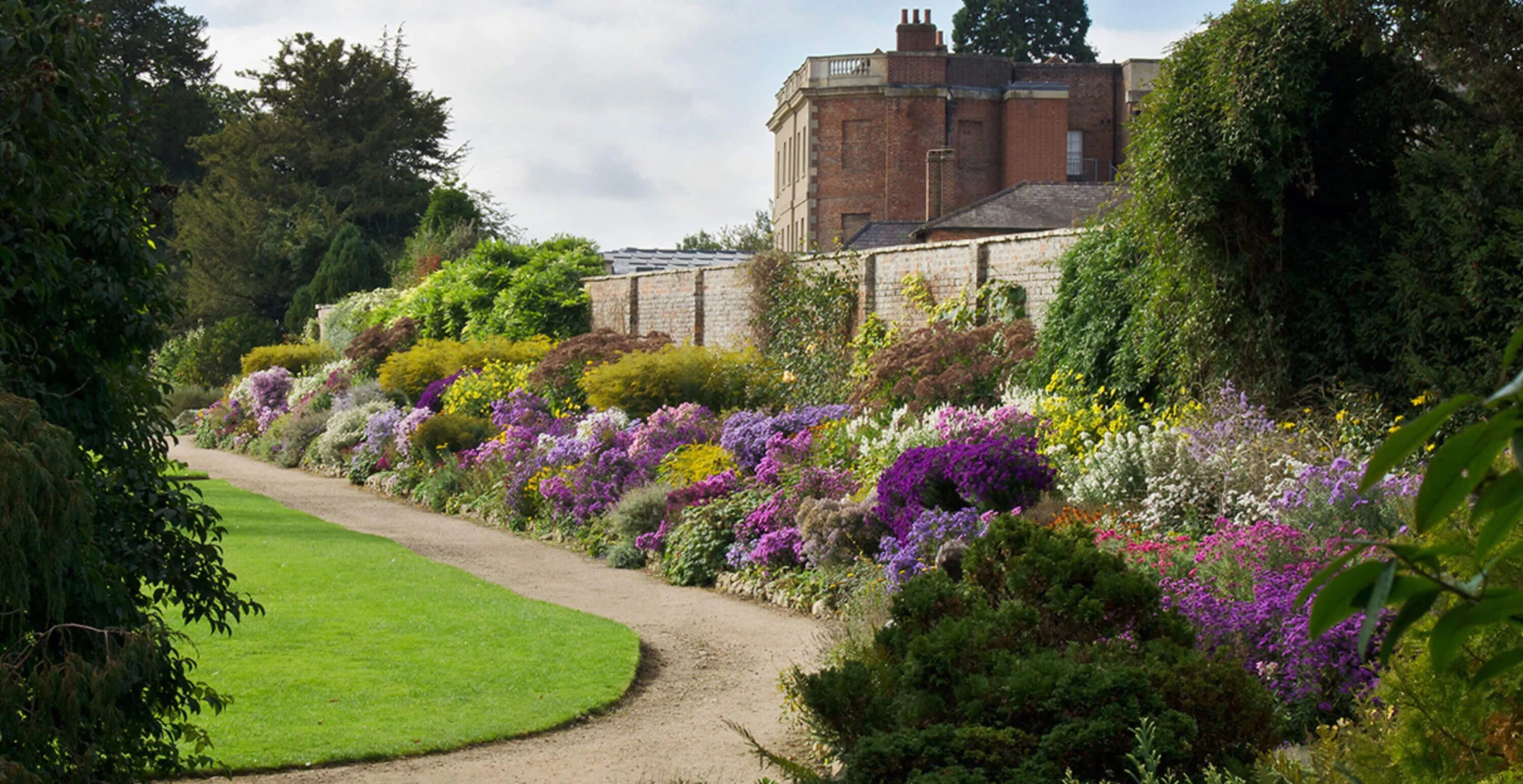
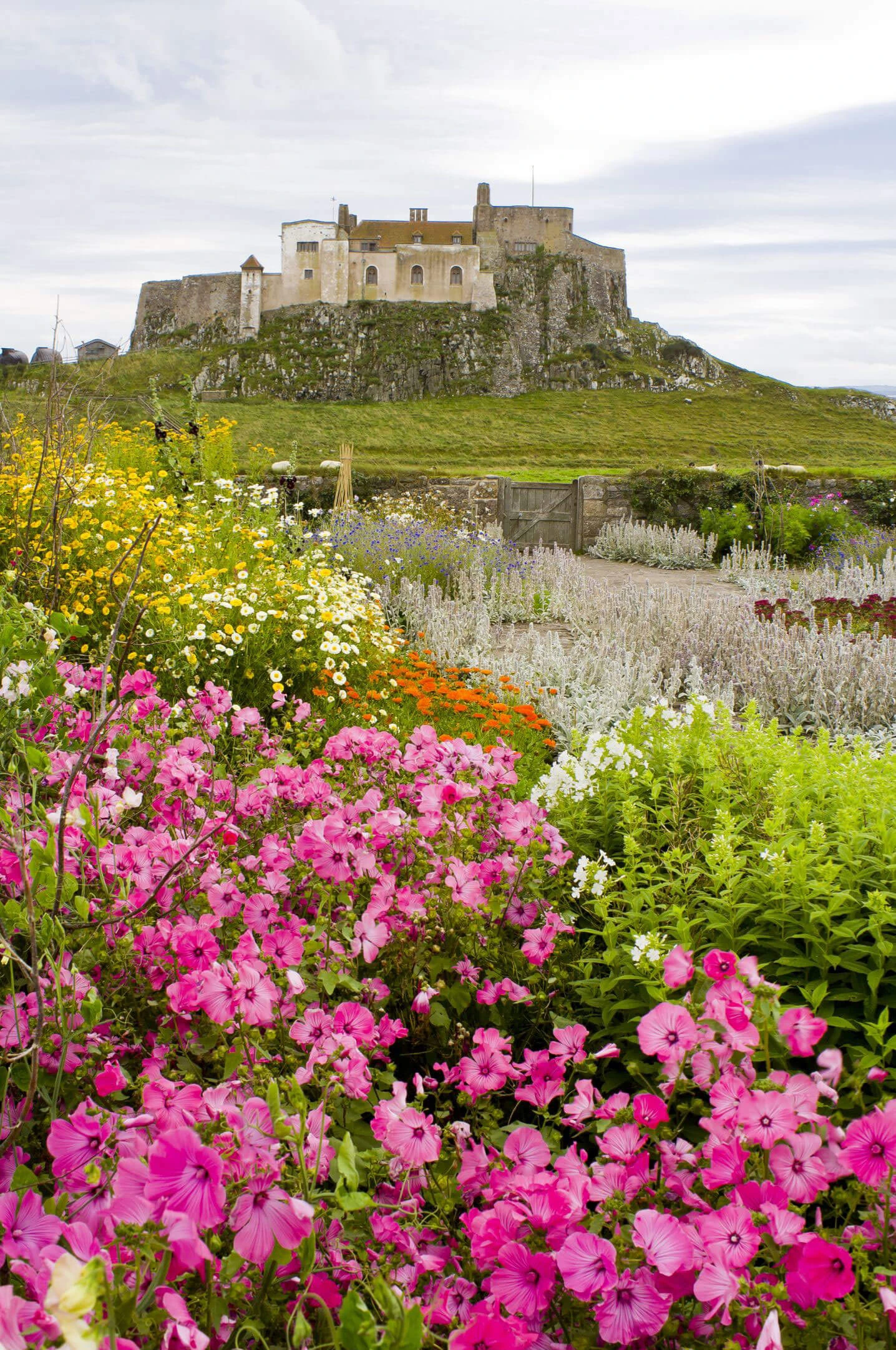
Color was one of Jekyll’s most subtle and powerful tools. Her understanding of color theory, honed through years of painting, enabled her to layer her plantings with extraordinary nuance. She carefully orchestrated transitions—from deep purples into silvery greens, from saturated reds into misty blues—creating compositions that changed with the seasons but never lost their harmony.
Her planting schemes were rarely about immediate impact. Instead, they aimed for a kind of emotional resonance, using color to create mood and guide the experience of moving through a space. Color was treated as a living element, something that shifted gently over time rather than shouting for attention at any one moment.
This approach reflected her larger philosophy: that gardens should unfold slowly, offering discovery rather than spectacle. By favoring layered complexity over instant gratification, Jekyll’s designs revealed themselves with time, rewarding patience and closer observation.
MUNSTEAD
WOOD: A
LIVING
EXPRESSION
OF JEKYLL’S
PHILOSOPHY
In 1882, Gertrude Jekyll purchased a piece of land near Godalming in Surrey, where she would build her home, Munstead Wood. More than just a residence, Munstead Wood was a living laboratory for her ideas—a place where she could experiment freely with plantings, structure, and spatial composition. Every inch of the garden was considered, evolving over time into a seamless blend of cultivated artistry and natural landscape.
The house itself, designed by a young Sir Edwin Lutyens early in his career, was a direct reflection of Jekyll’s vision. Modest in scale and deeply connected to its setting, it embodied the Arts and Crafts ideals of craftsmanship, material honesty, and harmony with the environment. Its informal, asymmetrical form sat low to the ground, grounded by the surrounding gardens and softened by carefully placed plantings that blurred the distinction between built form and nature.
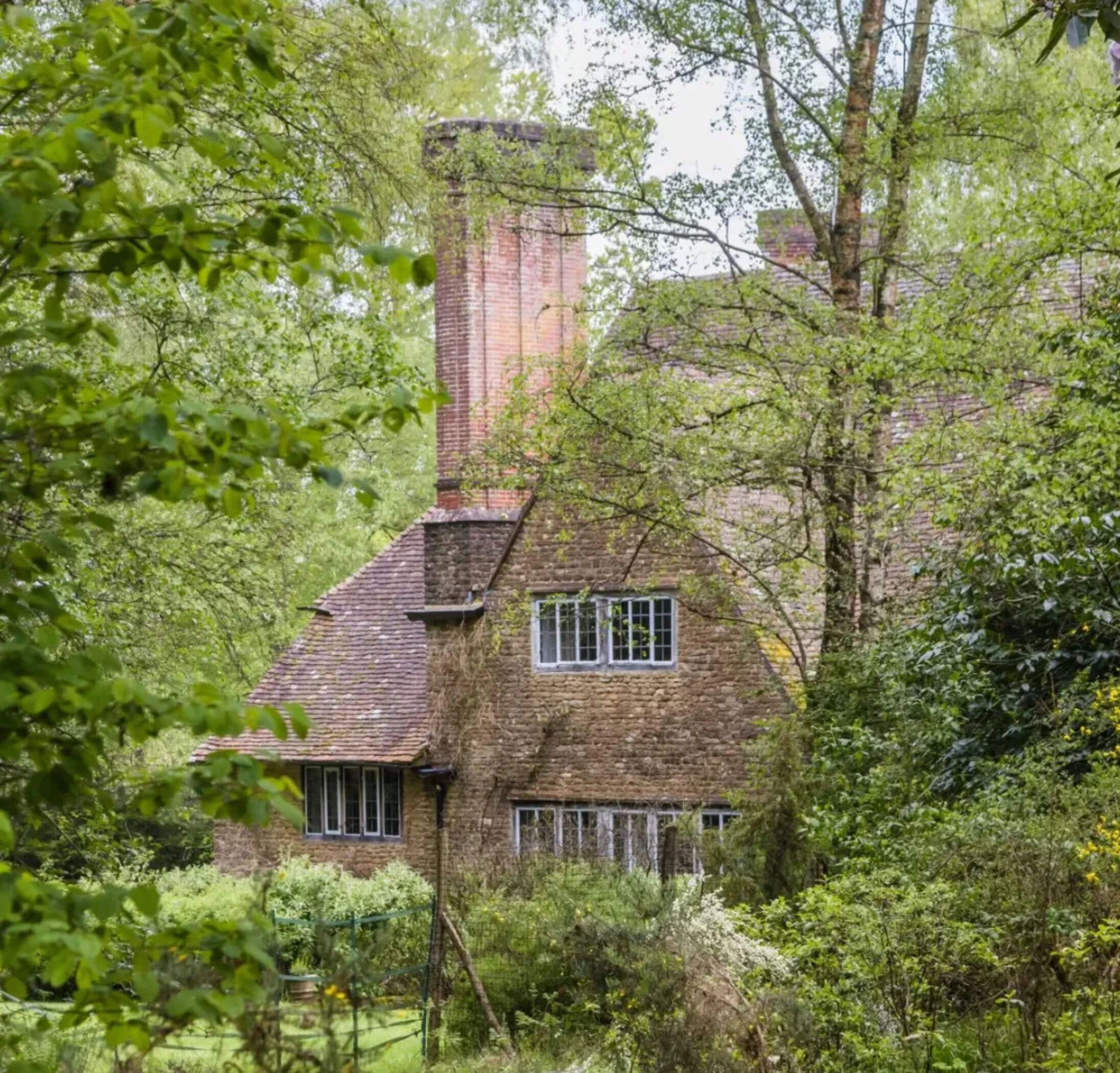
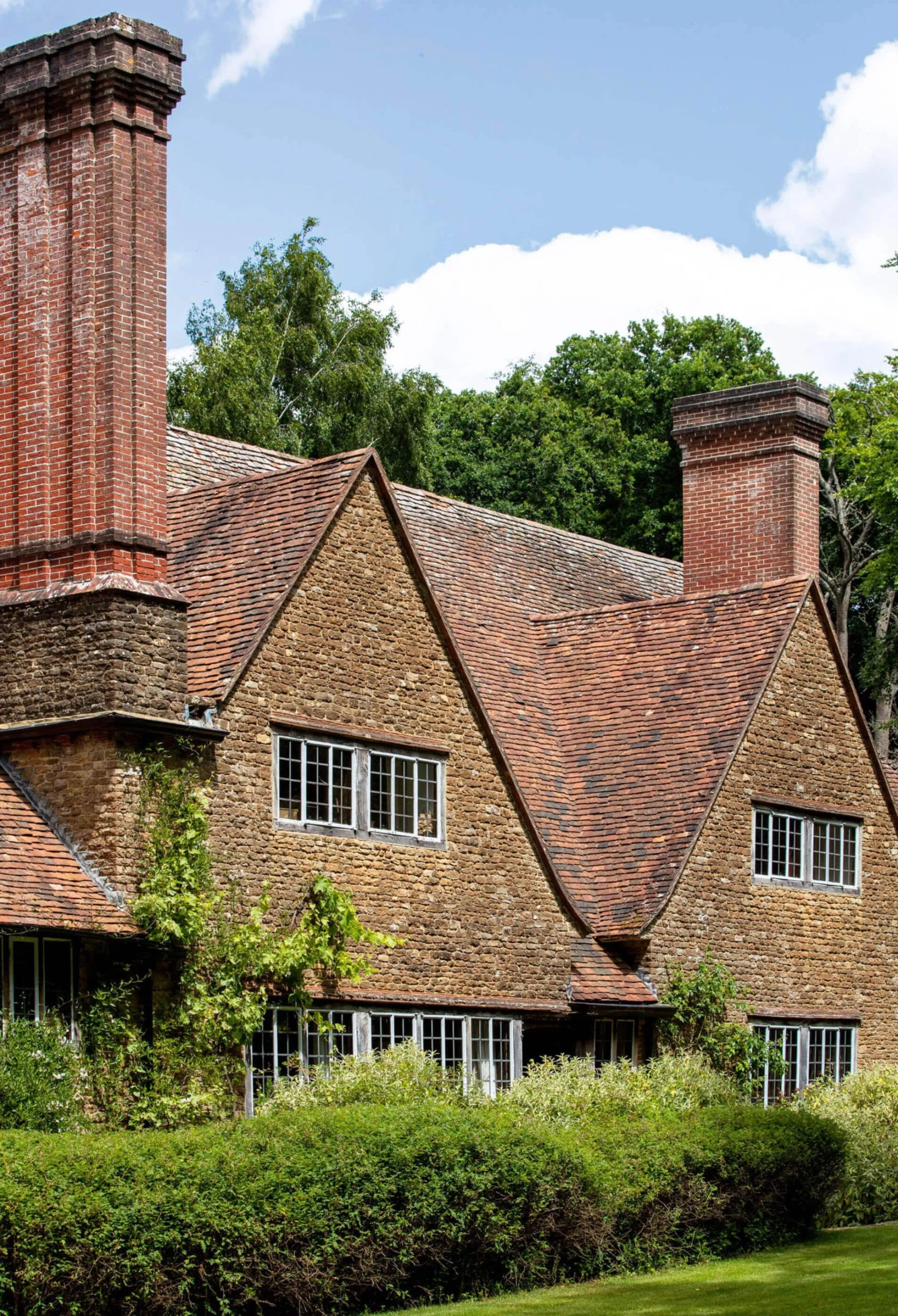
At Munstead Wood, Jekyll’s painterly use of color and texture unfolded room by room in the garden, echoing the layout and rhythm of the home’s interiors. Paths curved gently through the landscape, revealing new compositions at every turn. Seasonal transitions were carefully orchestrated so that the experience of walking through the garden changed throughout the year without ever feeling contrived.
Munstead Wood was not designed for spectacle but for living—for moving through, dwelling within, and observing the quiet, shifting beauty of a well-tended landscape. It stands today as perhaps the most complete expression of Jekyll’s philosophy: that architecture and garden should be woven together into a single, immersive experience, where neither dominates but both enrich one another in subtle, lasting ways.
GARDENS
DESIGNED FOR
EVERY PHASE
OF THEIR GROWTH
One of the most striking qualities of Gertrude Jekyll’s work is its enduring relevance. Her gardens were built not just for the present, but with an eye toward maturity, growth, and eventual evolution. Plantings were selected and placed with consideration for how they would interact after years, even decades—a long view that remains rare in any design discipline.
This philosophy of slow evolution gave her landscapes a kind of natural inevitability. They did not feel imposed upon the land but seemed to have risen from it, shaped by its contours, light, and seasons. Her designs were rooted in an understanding of place, allowing her gardens to feel deeply grounded even as they celebrated cultivated beauty. Today, walking through one of Jekyll’s surviving gardens is to experience a kind of timelessness—an environment where human intention and natural forces are so closely aligned that the boundary between them becomes difficult to see. It is a reminder that great design is not simply about making a strong statement at a single moment in time, but about creating something capable of becoming even more beautiful as it grows and changes.
GERTRUDE’S
ENDURING
INFLUENCE
Gertrude Jekyll’s contribution to design extends beyond the gardens she created. She offered a way of thinking about space, light, and materiality that remains deeply influential. Her legacy is not bound to a particular style, but to an approach—one that treats nature and design not as opposites, but as collaborators in creating places that are rich, layered, and meaningful.
Through her work, she taught that gardens—and by extension, all designed spaces—could offer more than visual pleasure. They could offer rhythm, intimacy, surprise, and memory. They could create a sense of belonging to a place, and a place belonging to the landscape.
In looking back at Jekyll’s life and work, it becomes clear that her greatest gift was not simply her technical mastery, but her ability to evoke emotion through design. In every clipped hedge, every meandering path, every quiet, color-soaked border, she reminds us that beauty, when thoughtfully cultivated, has the power to feel inevitable.